GasforAll Ventures
Gas4All's mission is to effectively distribute 3kg LPG clean cook stoves to urban slum households in the city of Kaduna, Nigeria in order to drastically reduce mortality from smoke inhalation, especially among women and children.
COOK STOVE CHALLENGE; NIGERIA

PROVEN INTERVENTION TO BE DISTRIBUTED
3kg LPG clean cook stoves.
Learn more about the Cook Stove Challenge and how clean cook stoves reduce health and safety risks, lower fuel expenses, and help reduce poverty.
DISTRIBUTION MODEL INNOVATION
Gas4All's mission is to effectively distribute 3kg LPG clean cook stoves to urban slum households in the city of Kaduna, Nigeria in order to drastically reduce mortality from smoke inhalation, especially among women and children.
Over 22 million households in Nigeria depend on solid fuel for cooking which leads to 80,000 deaths annually. Their intervention of focus is a 3kg LPG stove. However, LPG has significant barriers to adoption, including affordability and distance between homes and LPG refill plants. Gas4All's solution is to create a constant, easily accessible supply of LPG by hiring LPG vendors that will station themselves in communities, and distribute the LPG canisters to their sales agents with a van. The cook stoves will be made affordable through consumer financing, with customers paying in installments for four to six months. By opening up three offices (one in the main market and two around the pilot location of an urban slum), Gas4All will have ample space to use for conducing awareness raising activities and trainings, stock inventory for sales agents, receive installment payments, and conduct after sales services.
PILOT AND SCALING GOALS
Provide 21,000 kg of LPG to communities by the end of year 1
Distribute 10,200 cook stoves by the end of year 1
Increase number of sales agents by 8 by the end of year 1
FOUNDING TEAM
Emeka Umechukwu - Founder
Chidi Umeh - Co-Founder and Sales Director
Jibu Tanzania
Jibu Tanzania aims to tackle two major issues within East Africa and beyond: unemployment and lack of access to clean water. Their mission is to create affordable access to drinking water through franchised water production sites across Arusha.
CUSTOM CHALLENGE; TANZANIA

PROVEN INTERVENTION TO BE DISTRIBUTED
Improving access to clean water through distribution.
Learn more about the Custom Challenge and why we only fund ideas that focus on distributing proven poverty interventions.
DISTRIBUTION MODEL INNOVATION
Jibu Tanzania aims to tackle two major issues within East Africa and beyond: unemployment and lack of access to clean water. Their mission is to create affordable access to drinking water through franchised water production sites across Arusha. They will do this by having a water purification machine serving 50,000 people with an associated network of 10 local micro-resellers within an area of 2 kilometers around the production center.
A 2010 demographic and health survey states that 60% of Tanzanians do nothing to treat their water. Most households have no home filtration system and many drink unboiled water. Water is sourced from house taps and outdoor standpipes and has a high concentration of fluoride which, when consumed long-term, can lead to severe physical ailments. Chlorine or sand filters alone do not remove fluoride and other harmful micro-biological pathogens.
Jibu employs reverse osmosis as a water treatment method which allows for all harmful bacteria and parasites to be filtered out as well as 95% of floride. The water will be packaged, sold, and distributed in re-usable containers. Jibu partners with Healing Water International to access water filtration units as they do not manufacture their own. The secret to their prices is the efficiency of a decentralized, hyper-local business model because their focus is on underserved populations living in close proximity of each Jibu storefront.
PILOT AND SCALING GOALS
Serve 600 customers during the pilot
Serve 4,000 customers at the end of year 1
Sell 800 liters of water during the pilot
Sell 5,333 liters of water at the end of year 1
FOUNDING TEAM
Tayeb Noorbhai - Managing Director
Alex van Praag - Operations Manager
Bonaventure Bernard - Sales and Business Development
Giacomo - Marketing and Franchise Officer

Raise Your Text
Raise Your Text plans to reduce teacher absenteeism for unauthorized absences while increasing educational data and teacher-parent engagement through an anonymous texting accountability and outreach platform.
TRANSPARENCY CHALLENGE; FEDERATED STATES OF MICRONESIA


PROVEN INTERVENTION TO BE DISTRIBUTED
Texting accountability and outreach platform.
Learn more about the Transparency Challenge and how citizen reporting platforms can be used to hold government officials accountable and reduce corruption.
DISTRIBUTION MODEL INNOVATION
Raise Your Text plans to reduce teacher absenteeism for unauthorized absences while increasing educational data and teacher-parent engagement through an anonymous texting accountability and outreach platform. Using "dumb" and smart cell phones which are being increasingly used in the developing world, parents and students indicate teacher absenteeism anonymously by sending text messages to the Raise Your Text system, and teachers can engage with students and their families about classroom updates, events, and issues via message. Once information has been gathered and analyzed, data will be utilized by the Department of Education in partnership with Raise Your Text to either incentivize or take action against poor performing teachers.
Raise Your Text has key connections with the local Department of Education, teachers, politicians to conduct a pilot with 20 schools and 100 teachers on the island of Pohnpei. After the pilot is complete, the service will be converted into a more formal software and service which will be marketed to local, state, and country departments of education with large problems in teacher absenteeism and teacher-parent engagement.
PILOT AND SCALING GOALS
Monitor 100 classrooms during the pilot
Monitor 2,000 classrooms by the end of year 1
Engage 10,000 students and their family members in the platform during the pilot
Engage 200,000 students and family members in the platform by the end of year 1
FOUNDING TEAM
Nick Canfield - Team Lead
Richard Clark - Partnership Manager
Joyceleen Panuel - Project Manager
Prathima Appaji - Legal and Political Analyst
Farm on Wheels
Farm on Wheels is a direct distribution line that will bring quality seeds and fertilizers to farmers, then transport farm produce to urban areas via large trucks at harvest time.
IMPROVED FARM PRACTICES CHALLENGE; NIGERIA

PROVEN INTERVENTION TO BE DISTRIBUTED
Quality seeds and fertilizer as well as transportation of farm produce to market.
Learn more about the Improved Farm Practices Challenge and why increasing the effective use of fertilizer has the potential to unlock significant crop yield for smallholder farmers in sub-Saharan Africa.
DISTRIBUTION MODEL INNOVATION
Major distribution problems for smallholder farmers in Nigeria include: the high cost of transportation due to bad roads, limited farm resources, low yield even with increased fertilizer application and quality seeds due to improper application, low profit margin due to increased fertilizer use which discourages farmers from investing.
Farm on Wheels is a direct distribution line that will bring quality seeds and fertilizers to farmers, then transport farm produce to urban areas via large trucks at harvest time. Short seminars will be facilitated with small holder farmers on utilizing quality seeds, microdosing technique, and how to purchase these quality inputs on credit with Farm on Wheels. To do this, Farm on Wheels will partner with small holder rural farmers cooperatives. Farm produce will be transported to urban areas and sold to Farm on Wheels partners. Farmers can use produce to cover costs of quality inputs taken on credit.
PILOT AND SCALING GOALS
Teach microdosing technique with 5 farmer cooperatives during the pilot
Increase the effective use of fertilizer and scale up distribution of quality seeds with 75 small holder farmers during the pilot
Teach microdosing technique with 20 farmer cooperatives by the end of year 1
Increase the effective use of fertilizer and scale up distribution of quality seeds with 300 smallholder farmers by the end of year 1
FOUNDING TEAM
Jocelyne Agbo - Founder and Chief Executive Officer
Stanley Arinze - Finance and Distribution Lead
Sehak
Sehak has created creating a free, call-based service that provides an accessible diagnosis for the 4 easily correctable health conditions targeted, connects users to vetted health facilities that can treat the diagnosed condition, and regularly engages with the users.
PATIENT IDENTIFICATION CHALLENGE; INDIA

PROVEN INTERVENTION TO BE DISTRIBUTED
Free, SMS service that provides accessible diagnosis for for easily correctable health conditions and connects users to vetted health facilities.
Learn more about the Patient Identification Challenge and why identifying individuals in need of medical treatment and finding ways to make that treatment accessible reduces poverty.
DISTRIBUTION MODEL INNOVATION
In Mumbai, a dynamic metropolis and the entertainment and financial capital of India, 41.3% of the population of 19 million reside in slums. The largest of these slums is Dharavi, a locality in the heart of Mumbai, with a staggering 2000 people residing per acre. Many of the public hospitals in the area are overcrowded and unreliable in their services , leading residents of the slums to face a lack of access to affordable, quality healthcare, despite their proximity to world-renowned health infrastructure - echoing a theme seen in many urban slums across India. This leads to residents contracting diseases that are left undiagnosed and untreated in spite the fact that some of these conditions are easily-correctable, easily-identifiable and cheap to treat.
88% of Indian households now have mobile phones, including 77% of households in the bottom quintile. Due to the widespread presence of mobile phones, India is predicted to have the highest adoption rate for mobile health or “mHealth” technologies
Sehak has created creating a free, call-based service that provides an accessible
diagnosis for the 4 easily correctable health conditions targeted, connects users to vetted health facilities that can treat the diagnosed condition, and regularly engages with the users.
The service will target 4 pecific easily-correctable, identifiable and cheap-to-treat health conditions: obstetric fistula, cataracts, clubfoot and cervical cancer.
Users will sign up for our service by placing an initial missed call to our number. They will then receive an immediate automatic call back, and the automated response system (IVR) will prompt the first-time caller to provide their basic demographic information, including their gender, age, location, and preferred language, as well as whether they are married and/or have young children. We will then store this information in our subscriber database and the subscriber will start receiving our regular text messages via SMS to dispense essential and timely health information.
PILOT AND SCALING GOALS
Reach 5,000 users during the pilot
Reach 50,000 users by the end of year 1
Send 1,500 diagnostic calls during the pilot
Send 15,000 diagnostic calls by the end of year 1
FOUNDING TEAM
Sanya Sareen - Partnerships and Finance Lead
Nishchala Bhandari - Strategy and Human Capital Lead
Arushi Gupta - Technology and Research Lead
Shamba Pride
Farmers Pride provides supply chain management and a “last mile” village retail franchise model,
catalyzing a modern trade ecosystem for rural, smallholder agriculture. The model entails
commercially distributing quality farm inputs with bundled farmer extension, farmer training and other services like soil testing and insurance.
CUSTOM AGRICULTURE CHALLENGE; KENYA

PROVEN INTERVENTION TO BE DISTRIBUTED
Quality seeds and other key inputs for rural farmers through a franchised agro dealer network and a youth agent network.
Learn more about the Custom Agriculture Challenge and why distributing proven agricultural interventions can greatly improve the livelihoods of smallholder farmers.
DISTRIBUTION MODEL INNOVATION
Established in 2016, Shamba Pride (formerly Farmers Pride) offers one-stop B2B DigiShop franchise marketplace that empowers village level informal agro-dealer stores and cooperatives to digitize their operations. The company offers a supply chain solution to guarantee quality of inputs, information and services to local farmers to ensure increased farm production. Our DigiShop platform creates new agriculture opportunities to village-level farmers to access trusted and dependable information, inputs and services to succeed in their farming enterprises.
PILOT AND SCALING GOALS
Distribute 11 tons of certified seeds by the end of year 1
Reach 1,000 agro dealers by the end of year 1
Reach 5,000 farmers by the end of year 1
FOUNDING TEAM
Samuel Munguti - Founder and Chief Executive Officer
Augustin Mutuku - Accounts Manager
Catherine Musyoka - Head of Sales, Marketing and Farmer Training
Alex Matui - Chief Technology Officer
Joel Patenaude - Advisor
Edkasa
EDKASA's mission is to make quality secondary education accessible to 20,000 adolescents in Pakistan by 2020.
FLIPPED CLASSROOM CHALLENGE; PAKISTAN

PROVEN INTERVENTION TO BE DISTRIBUTED
The Edupreneur program which will make top quality teachers available across the country.
Learn more about the Flipped Classroom Challenge and why new education models, like flipping the classroom or deskilling a class curriculum, offer a solution to the vast teacher shortages in the developing world.
DISTRIBUTION MODEL INNOVATION
Teachers will deliver live lessons at EDKASA's central facility in Lahore which will then be streamed to a network of low-cost centers that will be operated by Edupreneurs. These Edupreneurs will screen the live teaching web-streams at their physical locations, providing access to students in their communities for a low monthly cost.
The Edupreneur program strategy is based on providing three core elements:
1. Provide top quality teachers, live. Live, interactive learning is critical for success in the after-school education sphere in Pakistan.
2. Reach students from low income households. The target user for the Edupreneur program is a secondary student from a low-income household. EDKASA first goal is to achieve a price point of $10 per month per student for after-school secondary education with the aim to reduce it to $5 once the programs scale up.
3. Be financially sustainable. EDKASA wants to provide a solution that is financially sustainable for everyone involved.
PILOT AND SCALING GOALS
- Work with 10 entrepreneurs during the pilot phase
- Reach 200 students during the pilot phase
- Work with 250 Edupreneurs and reach 5,000 students by the end of year 1
- Work with 500 Edupreneurs and reach 20,000 students by the end of year 2
FOUNDING TEAM
Fahad Tanveer - Director
Sohail Ali - Strategy Lead
Annum Sadiq - Education Lead
Bakhtawar Ali - Marketing Lead
Muneeb Ali - Tech Lead
KopaGas
We expand access to clean cooking fuel by letting people pay as you to switch from cooking with charcoal. Our model is working in urban areas in Dar es Salaam and now the real challenge is adapting it so we can serve the very poorest in rural areas.
CUSTOM CHALLENGE; TANZANIA

PROVEN INTERVENTION TO BE DISTRIBUTED
A smart meter to enable micro payments on LPG gas for low-income, rural households.
Learn more about the Custom Challenge and why we only fund ideas that focus on distributing proven poverty interventions.
DISTRIBUTION MODEL INNOVATION
KopaGas is a pioneer on pay-as-you-go LPG for low-income settings.
Of low-income households in rural Tanzania, 60% want to switch to LPG they can't afford due to upfront costs. KopaGas has developed a smart meter that enables micro-payments for LPG and has demonstrated success in Dar es Salaam. By developing credit-risk scores for low-income rural households, they can bring the technology to rural Tanzanians and help millions access modern cooking fuel. The team will build off of existing infrastructure and community presence in the fishing community on Jibondo island.
Using human-centered design to create impactful behavioral change marketing campaigns, KopaGas will improve awareness of the benefits of LPG and introduce the community to a pay-as-you-cook solution enabled by a fully functional and mass-manufacture ready smart meter. This is the only commercially-ready smart meter for LPG in East Africa and will be combined with a credit-scoring methodology that they will research and design to create access for the poorest families.
PILOT AND SCALING GOALS
Deliver over 50 tons of LPG during the pilot phase
Connect 400 households during the pilot phase
Reach over 8,000 people by the end of year 1
Avoid 6,000 tons of carbon dioxide emitted by the end of year 2
Avert 381 deaths from smoke inhalation by the end of year 2
FOUNDING TEAM
Thomas Disley - Project Lead
Sebastian Rodriguez - KopaGas Chief Executive Officer and Product Lead
Andron Mendes - KopaGas Chief Financial Officer
Community Based Participatory Immunization (CBPI)
Our mission is to combat vaccine preventable diseases through distribution of vaccination reminder bracelets and awareness creation on importance of childhood immunization in Nigeria.
CUSTOM CHALLENGE; NIGERIA
PROVEN INTERVENTION TO BE DISTRIBUTED
The distribution of vaccine reminder bracelets and awareness creation on the importance of childhood immunization in Nigeria.
Learn more about the Custom Challenge and why we only fund ideas that focus on distributing proven poverty interventions.
DISTRIBUTION MODEL INNOVATION
CBPI will pilot their initiative in Abuja and Niger state of Nigeria. From an initial needs assessment, the team found that health facilities in both locations lacked the means to remind mothers of their child's vaccination appointments aside from child health cards issued to mothers.
The CBPI model has two components: vaccination bracelets (clean plastic bracelet put on the baby's wrist for nine months with holes punched in the plastic for each vaccination a child receives to enable health workers to monitor mothers' compliance with immunization schedule) and CareAlert (a bulk SMS reminder service to remind caregivers of vaccination appointments).
The team will raise awareness of vaccinations and the importance of the bracelets via antenatal and postnatal sessions at healthcare facilities with 10,000 mothers in one year.
PILOT AND SCALING GOALS
- 30 healthcare service providers reached with awareness raising during the pilot
- 1,500 bracelets distributed during the pilot phase
- 3,000 SMS messages sent during the pilot
- 14,400 mothers reached with awareness raising at the end of 1 year
- 240 healthcare providers reached by the end of year 2
- 36,000 vaccination bracelets distributed by the end of year 2
FOUNDING TEAM
Dr. Emmanuel Egbroko - Co-Founder
Paul Ogboji - Co-Founder
Chika Ozoemena - Co-Founder and Consultant
Ikechukwu Oguomah - Co-Founder
Farmwise
Farmwise offers smallholder farmers everything they need to succeed in the field and ensure that they increase their crop harvest by up to 70% per cycle, reduce post-harvest losses and finally improve their livelihood.
CUSTOM AGRICULTURE CHALLENGE; NIGERIA

PROVEN INTERVENTION TO BE DISTRIBUTED
An asset-based loan that includes seeds and fertilizer, financing for farm inputs, training on agricultural techniques, and market facilitation to maximize profits.
Learn more about the Custom Agriculture Challenge and why distributing proven agricultural interventions can greatly improve the livelihoods of smallholder farmers.
DISTRIBUTION MODEL INNOVATION
Farmwise will assist smallholder farmers by providing the resources they need to succeed. They will provide farmers with farm in put on credit, deliver products to their door, train farmers, and help them sell the harvest. These services must be provided together because without credit, farm inputs are not affordable, without training, farmers do not maximize resources, without delivery, services are not accessible. By delivering all of these services together, Farmwise will enable farmers to significantly increase their farm income and build a path out of poverty. Farmwise's vision is to reach 1 million farm families by 2020 (which is less than 2% of registered smallholder farmers in Nigeria), while expanding the Farmwise model quickly and sustainably.
Farmwise loan packages range in value from $62.5 to $100 and includes crop insurance to mitigate the risks of drought and disease for new farmers. Packages valued at $200 will be available for returning farmers in the second year. Farmers may enroll as little as a quarter of an acre of land or a full acre of farmland. Farmwise will provide a maximum of one loan package per household. To quality for the Farmewise program, farmers are required to form local groups, attend agricultural training, and pay a materials and training fee. Farmwise will accommodate clients with a flexible repayment system in which they may repay their loans in any amount and at any time as long s they complete repayment by July of the same year. To receive the loan and training, farmers must join a village group that is supported by a local Farmwise field officer. The field officers will meet regularly with the farmer groups to coordinate delivery of farm inputs, administer training, and collect repayments. During the pilot, Farmwise plans for one acre per farmer and each farmer is expected to achieve $900 in their first year and $1,600 in their second year.
PILOT AND SCALING GOALS
- Serve 680 farm families during the pilot phase
- Hire 180 staff members during the pilot phase
- Serve 80,000 farm families at the end of year 1
- Grow the staff to include 1,070 employees by the end of year 1
- Reach 319 communities by the end of year 2
- Serve 486,000 farm families by the end of year 2
FOUNDING TEAM
Ugwunwa Nkasiobi Nwamara - Co-Founder
Iheanyi Esse - Co-Founder
Chidochiri Ononuju - Co-Founder
Greenergies
Greenergies will source high-quality, proven, affordable solar lamps from proven importers and distribute them to target rural localities through a network of vendors who are already operating provision stores in these areas.
SOLAR LAMP CHALLENGE; CAMEROON

PROVEN INTERVENTION TO BE DISTRIBUTED
Solar lamps.
Learn more about the Solar Lamp Challenge and how these lamps create enormous benefits for developing world families.
DISTRIBUTION MODEL INNOVATION
A structured supply of solar lamps to rural locations in North West Cameroon is close to nonexistent. Often, vendors purchase poor quality products from urban centers and retail in rural communities at high prices and are unable to sustain distribution due to poor quality, absence of guarantees, and high costs which results in loss of consumer trust in the products. The absence of education on the financial and health benefits of using renewable energies instead of kerosene lamps or candles in rural communities is also a key constraint.
Greenergies will source high-quality, proven, affordable solar lamps from the supplier Total Cameroon and distribute these products to target rural localities through a network of vendors who are already operating provision stores in these areas. The Greenergies team has conducted negotiations with Total Cameroon that will permit Greenergies to purchase in bulk and supply directly to vendors. The lamps will be sold with a guarantee period of between 1 and 2 years. Vendors will provide after sales services and will receive training in basic repairs jointly from Total Cameroon and Greenergies. Vendor shops will be branded as partners of Greenergies using stickers, display boxes, and signposts. Greenergies will also link potential buyers with micro-finance institutions in target areas which will provide microloans to buyers to obtain solar lamps.
PILOT AND SCALING GOALS
- Sell 9,600 solar lamps by the end of year 1
- Work with 40 vendors by the end of year 1
- Sell 27,600 solar lamps by the end of year 2
- Work with 50 vendors by the end of year 2, benefiting 30 rural communities
FOUNDING TEAM
Wise Nzikie Ngasa - Team Leader
Pride Yanu - Field Operations Manager
Rita Yenjong - Partnerships Development Manager
Dwokcan Ikweri Agro Processing Limited
Our model is based on a Village Agent agro-input distribution model having four stakeholders: seed producers/companies, a master distributor (DIAPL), Village Agents, and maize producer households.
QUALITY SEED CHALLENGE; UGANDA

PROVEN INTERVENTION TO BE DISTRIBUTED
High-quality maize and soybean seeds.
Learn more about the Quality Seed Challenge and why an evidence-based model that distributes high-quality seeds could reliably boost the standard of living for smallholder farmers.
DISTRIBUTION MODEL INNOVATION
On average, 31.1% of farmers in Uganda use improved seeds. Inadequate access due to poor distribution networks in rural farming communities, high prices, and inadequate production knowledge are some key reasons limiting adoption and use of improved seed varieties. Local seed dealers are found in town centers and do not provide training on agronomic practices thus, farmers usually do not achieve maximum output. Maximum yields can only be achieved with better agronomic practices including timely planting, correct spacing, maximum plant population, timely weeding, and timely and correct application of fertilizer.
The Dwokcan Ikweri Agro Processing Limited model will improve distribution of improved maize and soybean seed varieties in suitable packages with high quality seeds at affordable prices for smallholder farmers in northern Uganda. Links will be established with national and international seed producers to enable seed acquisition and distribution to farmers. Two distribution sites will be established in the chosen sub counties to ensure ease of access by smallholder farmers in these regions. Trainings will be conducted for the producing farmers to build on their knowledge and skills in maximizing production and productivity. Along with trainings and a radio program to raise awareness, 18 demonstration centers will be established in order to show better farming practices and conduct various trainings, focusing on the use of fertilizer in conjunction with improved seeds.
PILOT AND SCALING GOALS
- Distribute improved seeds to 40 farmers by the end of year 1.
- Distribute 2,400 Kg of seeds to 240 farmers by the end of year 2.
- Distribute maize and soybean seeds to 3,780 households in one district of Uganda within 5 years
- Distribute maize and soybean seeds to 10% (13,951) of the households in three districts within 10 years
FOUNDING TEAM
Bua Samuel - Agronomy Manager
Amolo Herbert - Business Manager
Sol Sisters
SolSisters aims to meet the power needs of those living in informal communities in Namibia by selling and distributing solar products to base of the pyramid customers. We employ a rent-to-own model to increase access to off-grid power solutions among low-income communities.
SOLAR LAMP CHALLENGE; NAMIBIA


PROVEN INTERVENTION TO BE DISTRIBUTED
Solar lamps and other solar products.
Learn more about the Solar Lamp Challenge and how these lamps create enormous benefits for developing world families.
DISTRIBUTION MODEL INNOVATION
Approximately 25% of Namibia's 2 million people live in informal settlements which have almost nonexistent electrification rates. In addition to low electrification rates, Namibia also has a youth (age 18-34) unemployment rate above 39%. Sol Sisters' main objective is to improve livelihood availability by creating markets for solar products.
Initially, Sol Sisters will form a super agent partnership with D.light and Greenlight Planet, enabling them to have lower initial costs and risks while better understanding the Namibian market. Both companies have agreed to provide a 2 year warranty on all products, marketing supporting, training support, and access to their full line of solar products. Sol Sisters will recruit and manager their own team of sales agents but the company distributors will assume all risk with the supply chain and inventory management.
After successfully meeting sales targets for each month, they will negotiate a different partnership with distributors. Sol Sisters will target families and shopkeepers as customers for solar home kits. The D30 home system is an ideal solution for families spending much of their income on candles, wood, paraffin, kerosene, batteries, and phone charging kiosks as, within a year, families will realize a cost savings. Financing plans allow them to rent-to-own and remain within their disposable income range each week. The brightness of the kits will allow shop owners to attract more customers and work longer hours. Sol Sisters recognizes that the key to their success will like in community partnerships to reach sales agents and to expand their distribution networks.
PILOT AND SCALING GOALS
Sell 500 solar lamps within the three month pilot
Impact 2,500 individuals within the three month pilot
Sell 1,750 solar products by the end of year 1, impacting 15,000 individuals
Sell 7,000 solar products by the end of year 2, impacting 35,000 individuals
FOUNDING TEAM
Lily Nhoisaykham - Co-Founder, Training and Development
Stephanie Shih - Co-Founder, Community Partnerships
Cybil Zhang - Co-Founder, Customer Insights
Nena Foundation
NENA foundation's mission is to identify women suffering from obstetric Fistula and connect them to hospitals offering free treatment and corrective surgeries.
PATIENT IDENTIFICATION CHALLENGE; KENYA

PROVEN INTERVENTION TO BE DISTRIBUTED
Using radio and SMS to identify obstetric fistula and transport patients to hospitals offering free services.
Learn more about the Patient Identification Challenge and why identifying individuals in need of medical treatment and finding ways to make that treatment accessible reduces poverty.
DISTRIBUTION MODEL INNOVATION
In Kenya, it is estimated that obstetric fistula (OF) occurrence stands at 3 to 4 women for every 1,000 deliveries. Most available literature states that each year, an estimated 3,000 new cases of OF are reported in Kenya with only 7.5% of these women able to access medical care for the condition. These statistics are problematic as they are mostly hospital based and not fully indicative of the magnitude of the problem. With a majority of births in Kenya taking place at home, there is less data for OF outside hospitals and in the rural areas where the problem is most rife.
The operational model consists of four major phases: awareness raising of the intervention via radio broadcasts and bulk SMS and identification of OF patients within Kericho County; connecting with beneficiaries in need of treatment and transporting them to a healthcare facility providing free treatment; treatment, rehabilitation and counseling of the women; and monitoring and evaluation of the pilot intervention to ensure achievement of objectives and responsiveness to ensure ristsks are addressed
The preferred method through which potential beneficiaries will contact Nena Foundation will be through sending an SMS to a number that would have been shared via radio and bulk SMS outreach. Once a person is identified via SMS or call, Nena Foundation will schedule a time to call the woman with OF to ascertain the exact extent of the condition. The Patient Transport Service represents a significant part of operations and will involve the transportation of patients to the healthcare facility offering free treatment: the Gynocare Fistula Women's Hospital in Eldoret. The woman will be contacted after the screening and informed of when her appointment is with sufficient time to communicate if the appointment date fits their schedule.
PILOT AND SCALING GOALS
120 people reached by the end of the pilot phase
1,000 people reached by the end of year 1
2,500 people reached by the end of year 2
FOUNDING TEAM
Faith Sigei - Co-Founder, Medical Manager
Godwin Bett - Co-Founder, Operations and Finance Manager
Shalom Ndiku - Co-Founder
SEMA
SEMA - a Swahili word meaning “speak! what’s up,” is an SMS chatbot that facilitates citizen feedback about public institutions and public service delivery. Through SEMA citizens engage in an instant, direct, and interactive text conversation with an institution shortly following their encounter with an office.
TRANSPARENCY CHALLENGE; UGANDA

PROVEN INTERVENTION TO BE DISTRIBUTED
An SMS chatbot that facilitates citizen feedback about public institutions and public service delivery.
Learn more about the Transparency Challenge and how citizen reporting platforms can be used to hold government officials accountable and reduce corruption.
DISTRIBUTION MODEL INNOVATION
SEMA is a data-driven non-profit enterprise committed to improving service delivery across Uganda's public sector. Our real-time feedback systems empower diverse institutions, including police stations, health centers, and municipalities, to gather actionable insights directly from citizens. Committed to transparency, we rigorously analyze this data to drive evidence-based decision-making and continuous improvement.
PILOT AND SCALING GOALS
User feedback experiments run with 2 public institutions during the pilot phase
SMEA app is created and tested with 15-20 individuals during the pilot phase
SEMA will be launched with 5 public institutions at the end of the pilot with 1,000 public feedback submissions gathered
10,000 public submissions made at the end of 6 months
Receive 100,000 submissions by the end of year 1
Expand to two other cities in Uganda by the end of year 1
Expand to 40 public institutions receiving feedback by the end of year 2
FOUNDING TEAM
Nathalie Dijkman - Chief Executive Officer
Connor Sattely - Chief Technical Officer
Timothy Kakuru - Community Manager
Green Impact Technologies (GI-Tech)
Green Impact Technologies will distribute Pico Solar Lights through Green Wing Finance Capital customers in communities located in the last mile in Malawi.
SOLAR LAMP CHALLENGE; MALAWI

PROVEN INTERVENTION TO BE DISTRIBUTED
Solar lamps.
Learn more about the Solar Lamp Challenge and how these lamps create enormous benefits for developing world families.
DISTRIBUTION MODEL INNOVATION
Malawi is the least electrified country in the Southern Africa Developing Community with less than 10% of the population having access to electricity in 2016. Only 4% of rural households have access to electricity. In the district of Usingini, most shops and homes use flashlights, kerosene, and candles for lighting while some walk approximately 18km to charge their phones.
Green Impact Technologies orders solar products from Solar Aid. This enterprise has a memorandum of understanding with Green Wing Capital which sells Solar Aid products to 25,000 customers. Customers pay 70% of the cost of the solar product upfront to Green Wing but are required to pay the remaining 30% the following month. GI-Tech delivers the solar product stock to Green Wing and pays for the remaining 30%, utilizing this distribution channel to reach last mile communities and build longer term relationships with sales agents in the area.
PILOT AND SCALING GOALS
- Reach 1,500 households within the pilot phase
- Establish 10 businesses by the end of year 1
- Reach 7,500 people by the end of year 1
FOUNDING TEAM
Admore Chiumia - Managing Director
SABCO Solutions
SABCO Solutions is an enterprise dedicated to bringing the quality solar solutions to the customers in off-grid geographies by developing last mile connectivity channels.
SOLAR LAMP CHALLENGE; PAKISTAN

PROVEN INTERVENTION TO BE DISTRIBUTED
Solar lamps.
Learn more about the Solar Lamp Challenge and how these lamps create enormous benefits for developing world families.
DISTRIBUTION MODEL INNOVATION
In Pakistan, more than 11 million households (approximately 40% of the population) are off-grid. Estimates suggest that 2.3 billion USD is spent annually on lighting through conventional means like kerosene and candles. SABCO Solutions was founded with an intent to bring cost effective solar energy products and solutions to communities through multiple channels and create a last mile distribution mechanism to reach customers and make sustainable impact.
SABCO Solutions recognizes the specific challenges impeding wide-spread solar lamp adoption in Pakistan: an influx of low quality products which decreases trust in all available products, a reluctance to pay higher prices for solar lamps based on this lack of trust, a general lack of awareness of the positive impacts of solar technology, and a lack of data outlining the consumer market in off-grid, rural areas. SABCO Solutions will undertake extensive market mapping and segment products to sell through various channels (low cost lanterns through retail markets, more expensive lanterns with mobile charging through local organizations, and solar home solutions through micro-finance banks).
Their strategy for commercial distribution is a hub and spoke model where local distributors will be responsible for local market development. Distributors will be provided with marketing support and will provide after sale assistance to customers. SABCO Solutions will develop the framework for a PAYGO system to make the products accessible to customers.
PILOT AND SCALING GOALS
Sell 144 units by the end of the pilot phase
Work with 6 active outlets by the end of the pilot phase
Sell 3,500 solar units by the end of year 1
Work with 62 active outlets by the end of year 1
POST-PILOT UPDATE (October 2020)
SABCO Solutions has now distributed 6,000 solar lamps, reaching approximately 30,000 people.
We are now a renewable energy service provider operating on the entire spectrum, with portable solar products for the communities (living completely off the grid) to the domestic/commercial solar solutions (for household and industries) that not only helps them to be self reliant in the energy access but also help them save on energy expenses.
FOUNDING TEAM
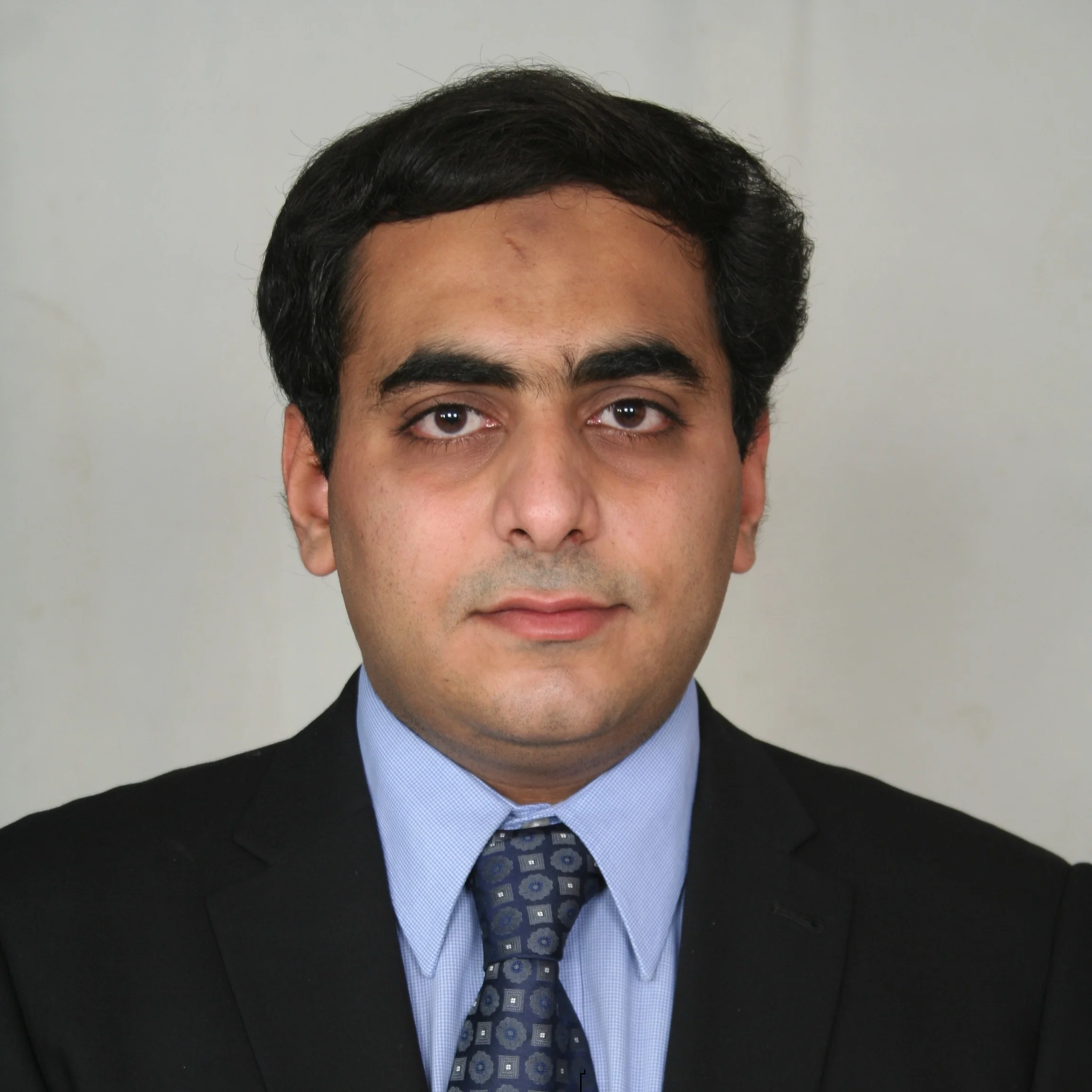
Fareed Shahid - Founder
Bakulu Power
Bakulu Power seeks to distribute improved cook stoves and more affordable clean
fuels on islands on Lake Victoria.
COOK STOVE CHALLENGE; UGANDA

PROVEN INTERVENTION TO BE DISTRIBUTED
Efficient cook stoves.
Learn more about the Cook Stove Challenge and how clean cook stoves reduce health and safety risks, lower fuel expenses, and help reduce poverty.
DISTRIBUTION MODEL INNOVATION
The islands of Lubya, Namiti, and Kirewe in the Buvuma district of Lake Victoria are home to 8,300 people. Many of these families use charcoal for cooking, with only a few still using firewood. The islands, which were once naturally forested, now have no trees; all cooking fuel is transported in from the mainland by boat. Prices are increasing due to shortages of fuel on the mainland.
The pilot distribution of efficient cook stoves will take place on these three islands before the business is scaled to include 16 other islands which lie within a 50km radius. Two types of stoves will be distributed: the mini moto stove, a forced air gasifier stove targeted to businesses, and the Awamu Top Lit Updraft (TLUD) gasifier stove, targeted to households. The customer will have several payment options. One option being to pay a 50% down payment for the stove as well as sign an agreement to buy a minimum of 35kg of bio pellets produced by Bakulu Power per month. The balance of the stove cost would be paid over a period of four months from the fuel savings achieved from using the stove.
Bakulu Power will also set up a small biomass pellet plant which will create pellets as fuel for the cook stoves out of maize stovers and sugar cane bagasse from sugar processing factories. Pellets will be sold to vendors who will then sell them at the retail price. Part of the profit margin from the biomass pellets will be reinvested to procure more stoves.
PILOT AND SCALING GOALS
- Purchase of pellet mill, purchase and delivery of stoves, purchase of land before the pilot
- Sign MOUs with women's groups for 3 vendors on each island during pilot phase
- Sell 180 tons of pellets in 6 months
- Sell 1,348 stoves by the end of 6 months
- Sell 20,000 stoves by the end of year 2
FOUNDING TEAM
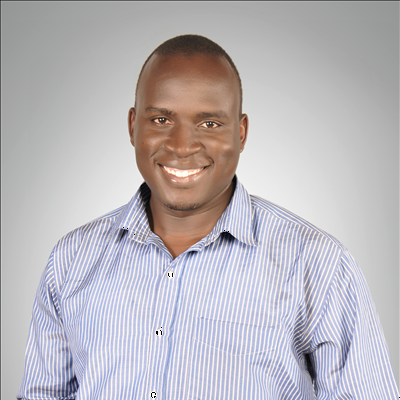
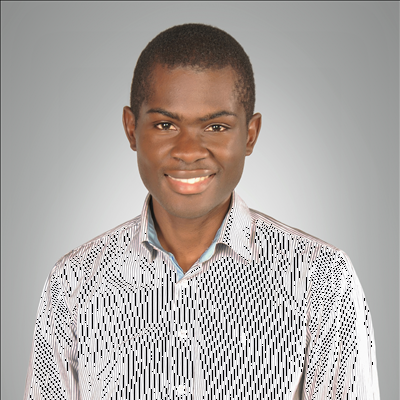
Lucia Bakulumpagi-Wamala - Chief Executive Officer and Co-founder
Richard Sseruwagi - Chief Technical Officer and Co-founder
Moses Angeny - Technical Officer and Co-founder
Every Child Matters
Every Child Matters aims to address the widespread prevalence of clubfoot, a debilitating physical deformity that leaves 1.19/1000 newborns in Uganda with inverted feet, and which, if left untreated, causes significant disability.
PATIENT IDENTIFICATION CHALLENGE; UGANDA


PROVEN INTERVENTION TO BE DISTRIBUTED
The Ponseti method is a painless, fast, cost-effective, and reliable method for correcting clubfoot without surgery.
Learn more about the Patient Identification Challenge and why identifying individuals in need of medical treatment and finding ways to make that treatment accessible reduces poverty.
DISTRIBUTION MODEL INNOVATION
Clubfoot is a debilitating physical deformity that leaves 1.19 out of 1,000 newborns in Uganda with inverted feet, which, if left untreated, causes significant disability. Clubfoot remains a challenge in Uganda because of lack of information about the condition, failure to detect the deformity at birth or early infancy, and limited capacity within the health system to provide correct and affordable treatment.
Every Child Matters has devised a three-pronged approach:
- Raise awareness about clubfoot in rural communities
- Train health workers to identify clubfoot and make proper referrals for treatment
- Train orthopedic doctors in the Ponseti method
PILOT AND SCALING GOALS
- Identify 225 patients with clubfoot, refer them for treatment, conduct follow-up
- Train 20 village health teams and 20 traditional birth attendants from 10 villages to ID patients
- Write 3 proposals for follow-on funding
FOUNDING TEAM
Daisy Nakasi
Mathias Mulumba
Lillian Nakisozi
Emily Ausubel
Mobilized Construction
Mobilized Construction has developed a smart IoT device to measure and assess road conditions in real-time. Utilizing geospatial data from accelerometers, we calculate International Roughness Index...
CUSTOM CHALLENGE; KENYA

PROVEN INTERVENTION TO BE DISTRIBUTED
A proprietary software platform that enables coordinated, micro-contracted local labor to rehabilitate dirt roads.
Learn more about the Custom Challenge and why we only fund ideas that focus on distributing proven poverty interventions.
DISTRIBUTION MODEL INNOVATION
Infrastructure, like roads, have been identified as the largest enabler of economic development. Transportation accounts for 50% of the cost of a product in rural areas. Mobilized Construction has developed a proprietary software to complement existing road repair processes to build ease of use for local project planners. Data-collectors and civil engineers currently document road conditions by hand or use expensive vehicles equipped with sensors.
The second part of Mobilized Construction's platform is the Desktop Road Assessment Management tool for transportation planners and program managers to prioritize and assign repair work to manual laborers. Currently managers decide on road repair priorities based on intuition, community requests, or public pressure. This tool will equip individuals with data to make more equitable and inclusive decisions. The system will formalize informal and unskilled labor as well as create jobs for women and youth.
The third part of the platform is the Field Supervisor mobile application for supervisors and field laborers to receive micro road repair contracts. After tracking daily progress and completing repairs, data collectors certified complete by measuring road conditions again and wages to laborers are transferred via mobile payments like M-Pesa.
PILOT AND SCALING GOALS
At the 6 month mark, 30-50 kilometers of road will be repaired
30,000 lives will be impacted by the end of 6 months
100-150 kilometers of road will be repaired by the end of year 1
250,000 lives will be impacted by the end of year 1
FOUNDING TEAM
Kevin Lee - CEO
Gregory Islas - Data Scientist
Jens Egholm - CTO
Are you ready to be the next great social entrepreneur?