Miti Mitaani
Kiswahili for ‘trees in our neighborhoods’, Miti Mitaani pays urban youth to establish community forests which mitigate the impact of climate change.
CUSTOM CHALLENGE; Kenya

PROVEN INTERVENTION TO BE DISTRIBUTED
Reforesting trees and providing work for young people
Learn more about the Custom Challenge and why we only fund ideas that focus on distributing proven poverty interventions.
DISTRIBUTION MODEL INNOVATION
Kiswahili for ‘trees in our neighborhoods’, Miti Mitaani pays urban youth to establish community forests which mitigate the impact of climate change.
Miti Mitaani pays urban youth to establish community forests. By engaging unemployed youth in African cities as tree stewards (they plant and maintain the trees monthly), there is huge potential to rapidly scale tree cover in African cities. Miti Mitaani currently operates in Nairobi, Kenya.
Trees are the most scalable and affordable solution to mitigate the effects of climate change, especially in resource-constrained countries. Community forests can transform cities by making them cooler and greener, in addition to other benefits such as cleaner air, habitat for urban wildlife, improving the rain cycle, reducing flash floods etc.
A youth participant enrolled in Miti Mitaani’s program has the opportunity to earn up to $375 annually. Their pilots to date show that stewardship payments are invested in businesses (ex. light motorcycle transportation) and meeting basic needs such as food and healthcare. 100% of the participants in their initial pilot reported they would join Miti Mitaani again.
PILOT AND SCALING GOALS
30 at-risk youth from a low-income neighbourhood of Nairobi will be engaged as tree stewards.
Each of these 30 hired youth will be responsible for planting and maintaining 500 trees, bringing the total number of trees planted to 15,000.
Raise an additional $10 - 15,000 USD from new donors within the pilot period.
FOUNDING TEAM
Ronny Mutua - Founder, Strategy & Partnerships Lead
Maria Omulubi - Co-Founder, Program & Operations Lead
Chetechete Sautsa Nyama
Chetechete Sautsa Nyama’ mission is to create a Malawi free from Sexual and Gender Based Violence by championing survivor empowerment and transforming societal norms and allow completion of court cases involving SGBV perpetrators.
CUSTOM CHALLENGE; malawi
PROVEN INTERVENTION TO BE DISTRIBUTED
Sexual and Gender Based Violence Support
Learn more about the Custom Challenge and why we only fund ideas that focus on distributing proven poverty interventions.
DISTRIBUTION MODEL INNOVATION
Our mission is to create a Malawi free from Sexual and Gender Based Violence by championing survivor empowerment and transforming societal norms and allow completion of court cases involving SGBV perpetrators.
The model is based on Community Response to SGBV with the understanding that survivors of SGBV do not receive community support when they report abuse such that they end up withdrawing such cases before they are concluded by the courts. The intervention will create survivor clubs in Chinsapo, Lilongwe in Malawi and empower and support these clubs and engage community structures.
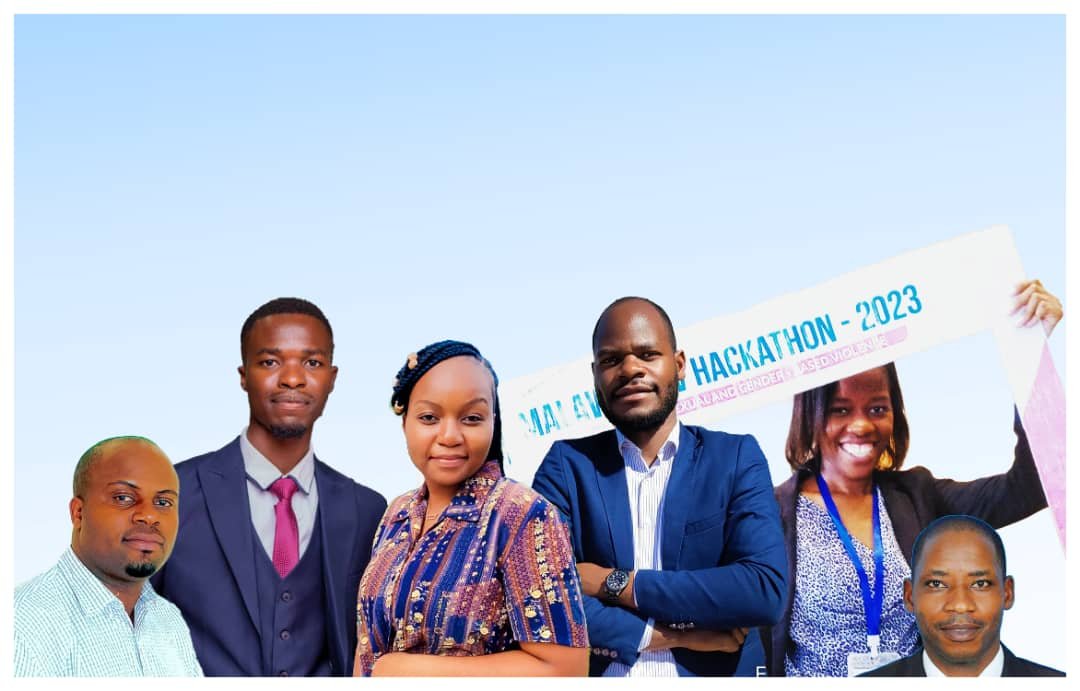
Chetechete Sautsa Nyama project with an English version of "Voices Unsilenced" was founded in 2023 by a group of six members who attended 2023 GHC SGBV Hackathon in Lilongwe. The team was led by Frank Chidampamba, who is a Global Health Corps Alum and the other five members are professionals working on gender, youth empowerment and Sexual Reproductive Health and Rights and their names are Susan Chisi, Davis Chunga, Kumbukani Molishu, Everlisto Phiri and Praise Banda.
PILOT AND SCALING GOALS
Directly reach 5,000 unique customers within three months
Using 50 high-performing distribution agents, distribute 5,000 products/services in three months
Fundraise an additional $25,000 USD from new donors or investors within three months
FOUNDING TEAM
Frank Chidampamba - Team Leader
Susan Chisi - Project Coordinator
Kumbukani Molishu - Communications Officer
Davis Chunga - Resource Mobilization Officer
Everlisto Phiri - Finance Officer
Praise Banda - M&E Officer
Sustainable Initiative for Nutrition & Development
Sustainable Initiative for Nutrition & Development (SIND's) exclusive breast milk feeding (EBMF) and support campaign project aims to increase exclusive breast milk feeding rate by improving health facility and community breastfeeding support continuum for lactating mothers in Nigeria.
CUSTOM CHALLENGE; NIGERIA

PROVEN INTERVENTION TO BE DISTRIBUTED
Nutrition through exclusive breast milk feeding
Learn more about the Custom Challenge and why we only fund ideas that focus on distributing proven poverty interventions.
DISTRIBUTION MODEL INNOVATION
Sustainable Initiative for Nutrition & Development (SIND's) exclusive breast milk feeding (EBMF) and support campaign project aims to increase exclusive breast milk feeding rate by improving health facility and community breastfeeding support continuum for lactating mothers in Nigeria.
SIND’s model is training and engaging health workers, traditional birth attendants and community influencers to promote, protect and provide supportive actions as well as uphold learning and practice exchange of exclusive breast milk feeding (EBMF) for lactating mothers sustain EBMF for 6-month. SIND exclusive breast milk feeding (EBMF) and support campaign project creates a synergy for community collective actions to support lactating mothers and shared exclusive breast milk feeding responsibilities
PILOT AND SCALING GOALS
Reach 1800 mother-infant dyads within six months of pilot
Train and engage 35 (EBMF support group) champions to promote, protect and ensure lactating mothers practice exclusive breast milk feeding (EBMF) for 6-month
Fundraise $200,000 from new donors or investors in the first two years of operations
FOUNDING TEAM
Oderinde Michael - Founder/Program Director
Family Empowerment Media
Family Empowerment Media is an evidence-based non-profit that enables informed family planning decisions through clear, compelling, and accurate radio-based communication.
CUSTOM CHALLENGE; NIGERIA

PROVEN INTERVENTION TO BE DISTRIBUTED
Family planning information through radio-based communication
Learn more about the Custom Challenge and why we only fund ideas that focus on distributing proven poverty interventions.
DISTRIBUTION MODEL INNOVATION
Family Empowerment Media (FEM) is an evidence-based non-profit that enables informed family planning decisions through clear, compelling, and accurate radio-based communication.
The FEM model is simple and transferable to many regions in Nigeria and, eventually, other countries. FEM works with local partners to produce and broadcast radio programming that shifts knowledge, attitudes, and behavior around family planning in Nigeria. The FEM solution is cost-effective because (1) radio programming is cheap in West Africa, and (2) the full-time team is lean - but complemented by part-time surge support when needed.
Accomplishments
Reached ~35 million listeners through short and long campaigns in first three years
Externally evaluated to be as much as 20-60x as cost effective as cash transfers
An external evaluator found FEM’s pilot correlated with a 75% increase in contraceptive uptake in the region.
SCALING GOALS
Reach 50 million listeners in Nigeria by 2030
Conduct one pilot in a new country and one pilot on a new health topic
Conduct a randomized controlled trial of their evaluation in 8 states in Nigeria
FOUNDING TEAM
Anna Christina Thorsheim - Director
Kenneth Scheffler - Director
Leaf Global Fintech
Leaf provides digital financial services to refugees so that they can store and transport assets across borders from a feature phone, avoiding cash.
CUSTOM CHALLENGE; RWANDA and DRC

PROVEN INTERVENTION TO BE DISTRIBUTED
Improving access to financial services for refugees through mobile phones.
Learn more about the Custom Challenge and why we only fund ideas that focus on distributing proven poverty interventions.
DISTRIBUTION MODEL INNOVATION
Leaf Global Fintech provides digital financial services to refugees so that they can store and transport assets across borders from a feature phone, avoiding cash.
Leaf stores and transports assets across borders from a mobile device—no smartphone required. Refugees and migrants can journey without cash, knowing accounts are safe and accessible globally. Digitizing the process drastically reduces exchange and transfer fees. Friends and family abroad can also contribute into the Leaf customer’s account in a convenient and affordable way. Leaf protects customers’ savings through blockchain technology without exposure to cryptocurrency. By allowing customers to retain more value and increasing accessible funds through contributions from abroad, Leaf gives customers a better start with financial security and lessens their dependence on host countries and foreign aid.
PILOT AND SCALING GOALS
Serve 10,000 customers during the pilot period
FOUNDING TEAM
Nat Robinson - Co-Founder and CEO
Tori Samples - Co-Founder and CFO
Integrated Farming and Extension Network (IFEN)
A mobile-accessible platform containing pre-developed video and audio content meant to teach farmers in Ghana the most relevant practices to increase farm yields and incomes.
CUSTOM AGRICULTURE CHALLENGE; GHANA

PROVEN INTERVENTION TO BE DISTRIBUTED
A mobile-accessible platform containing pre-developed video and audio content meant to teach farmers the most relevant practices to increase farm yields and incomes.
Learn more about the Custom Agriculture Challenge and why distributing proven agricultural interventions can greatly improve the livelihoods of smallholder farmers.
DISTRIBUTION MODEL INNOVATION
The ratio of farmers to extension agents in Ghana is estimated to be 5000:1; as opposed to the World Bank-recommended ratio of 500:1. Simply put, there aren’t enough agents to distribute extension services to the large number of farmers in need of the service. Mainly because training of new extension agents takes about 2/3 years of school training and another year of field mentoring, which comes with significant costs for both trainees and the government.
IFEN will be a mobile-accessible platform containing pre-developed video and audio content meant to teach farmers the most relevant practices to increase farm yields and incomes. Instead of relying on public extension officers to visit communities to deliver extension services, IFEN’s distribution model proposes the use of community-based members relying on the IFEN platform (accessible offline) to facilitate the same service to farmers within their respective communities.
PILOT AND SCALING GOALS
Facilitate iimproved access to reliable extension for 2,500 beneficiaries by the end of year 1
Provide technical training on use of smartphones and new technologies for 350 farmers by the end of year 1
FOUNDING TEAM
Xorla Adzoyi - Project Lead
Yuan-Ting Meng - Project Associate
Mohammed Shaibu - Field & Data Application Manager
UP Scaling PICS Bags Technology
Their team will establish relationships with rural based farm input traders (agro dealers) and associations as outlets in Malawi so that farmers can easily access PICS bags instead of relying on central shops.
CUSTOM CHALLENGE; MALAWI
PROVEN INTERVENTION TO BE DISTRIBUTED
PICS post-harvest storage bags.
Learn more about the Custom Challenge and why we only fund ideas that focus on distributing proven poverty interventions.
DISTRIBUTION MODEL INNOVATION
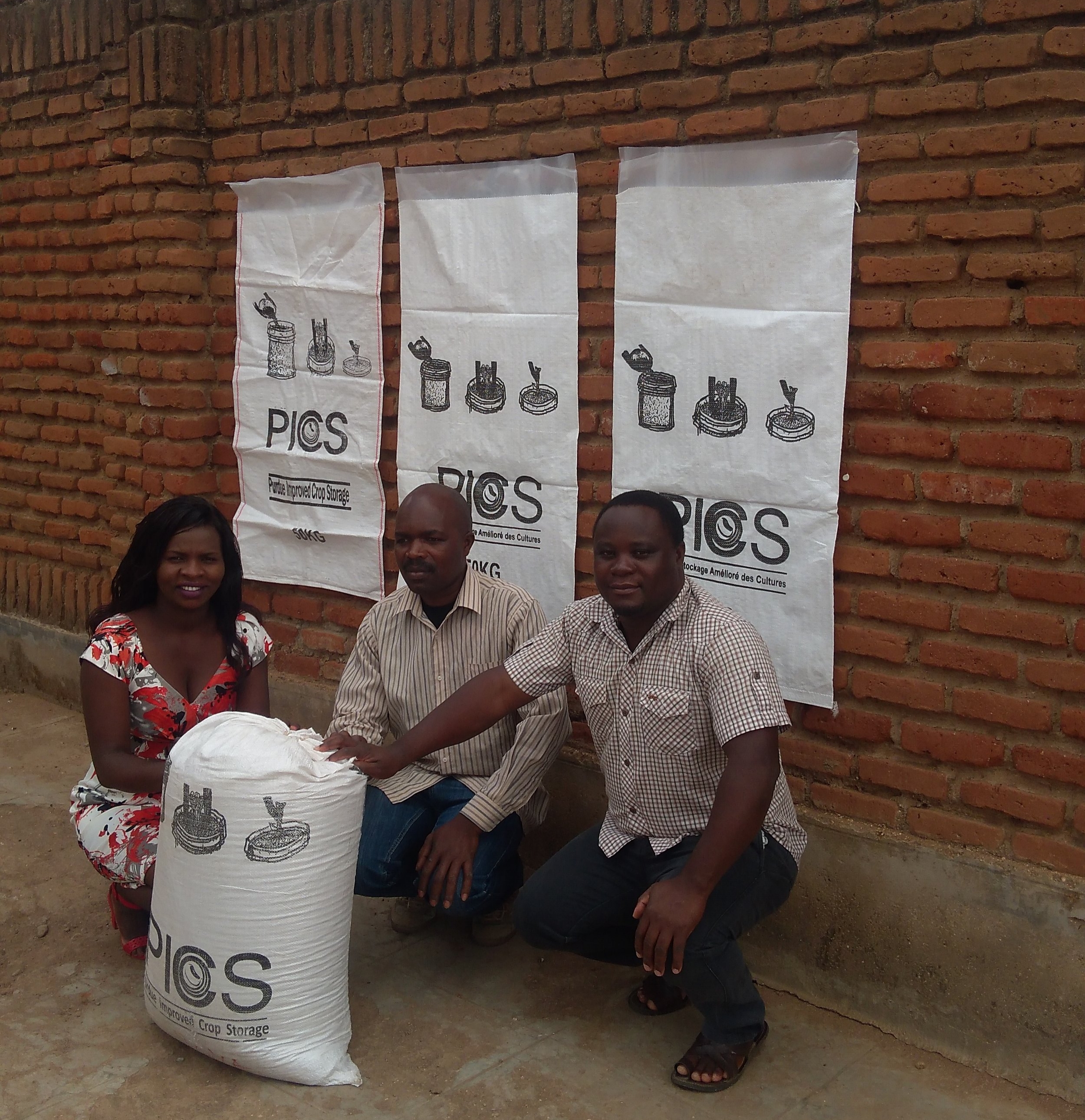
Despite PICS bag Technology being very effective with up to 100% post-harvest loss reduction, the distribution chain in Malawi has been poor with limited players. There are 3 major barriers to accessing the technology: the distance from the production factory, limited players in the distribution chain, and generally a lack of knowledge amongst the farmers and agriculture extension workers on the availability of the technology and how it works.
The UP Scaling PICS Bags Technology team will establish relationships with rural based farm input traders (agro dealers) and associations as outlets so that farmers can easily access PICS bags instead of relying on central shops. That means the team will have selling points in rural trading centers. 5 selling points will be established. At each selling point, they will have a qualified extension worker responsible for on the spot demonstrations for farmers and agro dealers when they buy PICS bags. These will also be extension agents with designated impact areas where they will be working with farmers in demonstrating use and increasing awareness on the cost effectiveness of the bag. Agro dealers will be provided with training and awareness materials to increase valid sources of information. Each agro dealer through agriculture extension agents will have 10 anchor farmers to pilot and demonstrate effectiveness of PICS bags.
By the end of the pilot year, the team will sell 100,000 PICS bags and reach at least 20000 smallholder farmers, reducing post-harvest losses and contributing to poverty reduction through increased food and income.
As the organization scales, it will begin to distribute other impactful products including other high-quality seed and solar lamps.
PILOT AND SCALING GOALS
Sell 100,000 PICS bags by the end of year 1
Reach 20,000 smallholder farmers with information by the end of year 1
Reach over 100,000 grain growers and consumers by the end of year 5
FOUNDING TEAM
Kondwani Khonje - Manager
Prisca Gondwe - Accountant
KopaGas
We expand access to clean cooking fuel by letting people pay as you to switch from cooking with charcoal. Our model is working in urban areas in Dar es Salaam and now the real challenge is adapting it so we can serve the very poorest in rural areas.
CUSTOM CHALLENGE; TANZANIA

PROVEN INTERVENTION TO BE DISTRIBUTED
A smart meter to enable micro payments on LPG gas for low-income, rural households.
Learn more about the Custom Challenge and why we only fund ideas that focus on distributing proven poverty interventions.
DISTRIBUTION MODEL INNOVATION
KopaGas is a pioneer on pay-as-you-go LPG for low-income settings.
Of low-income households in rural Tanzania, 60% want to switch to LPG they can't afford due to upfront costs. KopaGas has developed a smart meter that enables micro-payments for LPG and has demonstrated success in Dar es Salaam. By developing credit-risk scores for low-income rural households, they can bring the technology to rural Tanzanians and help millions access modern cooking fuel. The team will build off of existing infrastructure and community presence in the fishing community on Jibondo island.
Using human-centered design to create impactful behavioral change marketing campaigns, KopaGas will improve awareness of the benefits of LPG and introduce the community to a pay-as-you-cook solution enabled by a fully functional and mass-manufacture ready smart meter. This is the only commercially-ready smart meter for LPG in East Africa and will be combined with a credit-scoring methodology that they will research and design to create access for the poorest families.
PILOT AND SCALING GOALS
Deliver over 50 tons of LPG during the pilot phase
Connect 400 households during the pilot phase
Reach over 8,000 people by the end of year 1
Avoid 6,000 tons of carbon dioxide emitted by the end of year 2
Avert 381 deaths from smoke inhalation by the end of year 2
FOUNDING TEAM
Thomas Disley - Project Lead
Sebastian Rodriguez - KopaGas Chief Executive Officer and Product Lead
Andron Mendes - KopaGas Chief Financial Officer
Are you ready to be the next great social entrepreneur?