FemCare Initiative
FemCare Initiative is dedicated to ensuring no woman in Nigeria dies of cervical cancer by combining awareness in local dialects, VIA screenings, and follow-up.
PATIENT IDENTIFICATION CHALLENGE; Nigeria

PROVEN INTERVENTION TO BE DISTRIBUTED
Cervical cancer screenings
Learn more about the Patient Identification Challenge and why identifying individuals in need of medical treatment and finding ways to make that treatment accessible reduces poverty.
DISTRIBUTION MODEL INNOVATION
FemCare Initiative is dedicated to ensuring no woman in Nigeria dies of cervical cancer by combining awareness in local dialects, VIA screenings, and follow-up.
The pilot will launch in Irrua, Edo State, Nigeria, where awareness and access to cervical cancer screening remain very low. FemCare Initiative uses a women-to-women model that brings together community health workers, cervical cancer survivors, and medical volunteers. Survivors share their stories in the local dialect, building trust and motivating women to seek screening. Community health workers provide quality VIA screening, mobilize women, and ensure referrals for positive cases, while the team and medical volunteers support with outreach, education, and distribution of culturally appropriate materials. What sets FemCare Initiative apart is how they combine survivors’ voices with medical care, making screening both trusted and accessible.
FemCare Initiative was founded in 2025 by a team of medical doctors, Dr. Victory Ifeanyichukwu Uzoma. Dr. Joan Erhazele, and Dr. Chinonso Arinze, all passionate about women’s health. Dr. Victory serves as Executive Director and Team Lead, Dr. Joan leads Operations, and Dr. Arinze oversees Communications and Patient Navigation. Together, the team combines medical expertise, community project experience, and a shared commitment to reducing cervical cancer deaths in Nigeria.
PILOT AND SCALING GOALS
Conduct awareness and community sensitization on cervical cancer screening to 4,500 women during the pilot.
Screen 500 women for cervical cancer using VIA, link positive cases to treatment centers and carry out follow-up care.
Fundraise USD 10,000 during the pilot.
FOUNDING TEAM
Dr. Victory Ifeanyichukwu Uzoma - Executive Director
Dr. Arinze Chinonso Augustus - Head of Communications & Patient Navigation
Dr. Joan Ewanose Erhazele - Operations Officer
Lead Sisters Health Initiative
Lead Sisters Health Initiative tackles the high rate of preventable cervical cancer deaths in Nigeria, starting in Anambra state, through a community-based, scalable model to deliver cervical cancer screenings.
PATIENT IDENTIFICATION CHALLENGE; Nigeria
PROVEN INTERVENTION TO BE DISTRIBUTED
Cervical cancer screenings
Learn more about the Patient Identification Challenge and why identifying individuals in need of medical treatment and finding ways to make that treatment accessible reduces poverty.
DISTRIBUTION MODEL INNOVATION
Lead Sisters Health Initiative tackles the high rate of preventable cervical cancer deaths in Nigeria, starting in Anambra state, through a community-based, scalable model to deliver cervical cancer screenings.
The model encompasses training community health nurses who will educate women about cervical cancer and encourage participation in screening programs. They will collaborate with existing Primary Healthcare Centres to provide follow-up care and referrals for women who test positive to the state teaching hospital. Through community outreaches, they will educate communities about cervical cancer prevention and the importance of early screening. Lead Health Organisation will use a digital health platform to track screenings, results, and follow-up care, ensuring accountability and enabling data-driven improvements. By training local healthcare providers and advocating for government integration, they will build a sustainable system that continues beyond the initial program phase.
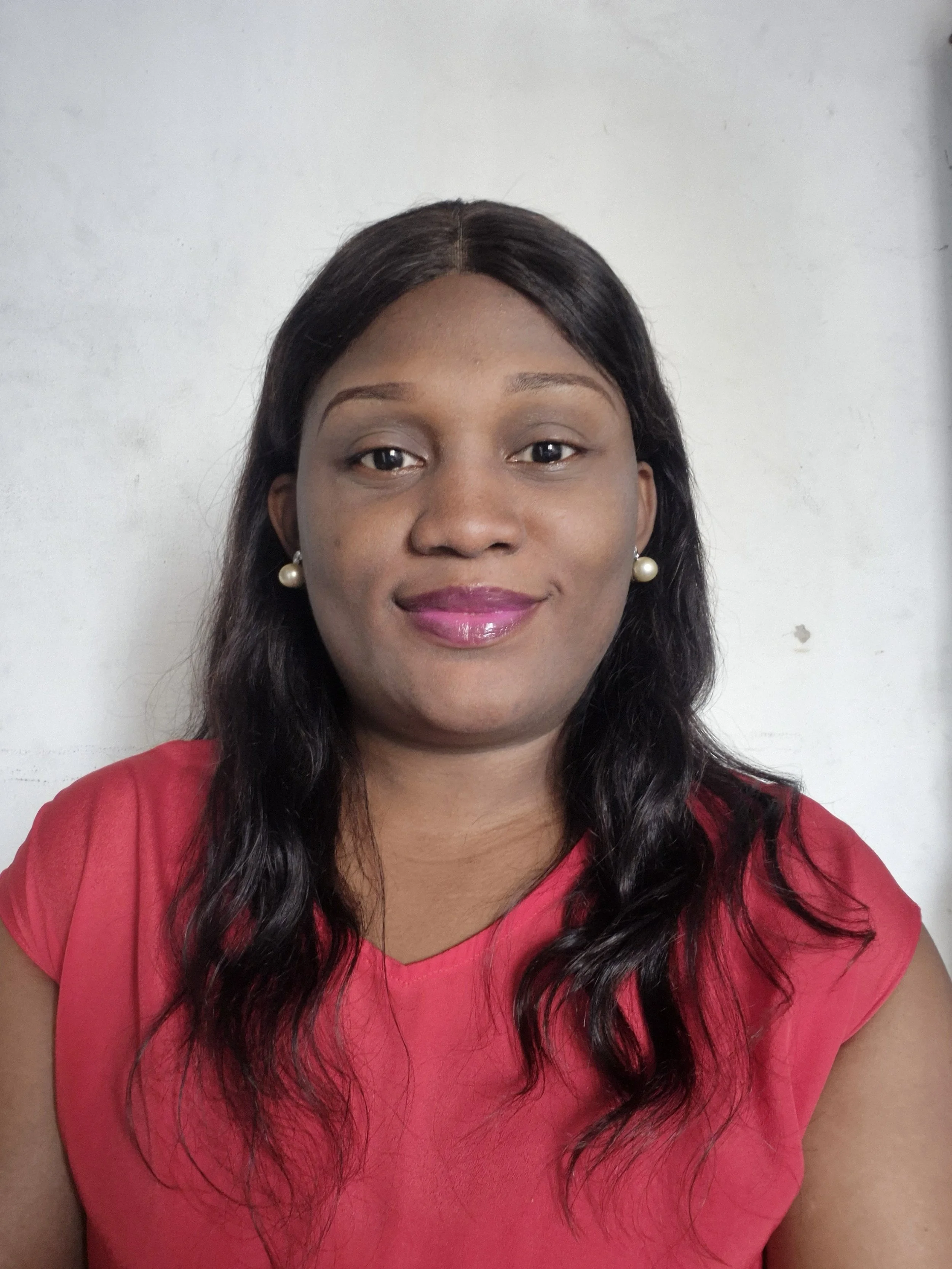
The founding team is led by Chiamaka Ibeanu, a public health professional and a nurse with research expertise in cancer screenings and infectious diseases, who has strong operational skills and drives strategic visions.
PILOT AND SCALING GOALS
Reach 120 women during the pilot.
Distribute 120 interventions during the pilot.
Fundraise USD 20,000 during the pilot.
FOUNDING TEAM
Chiamaka Modesta Ibeanu - Founder
YouScreen
YouScreen is dedicated to reducing cervical cancer fatalities in Uganda through community-driven, women-to-women initiatives.
PATIENT IDENTIFICATION CHALLENGE; Uganda

PROVEN INTERVENTION TO BE DISTRIBUTED
Cervical cancer screenings
Learn more about the Patient Identification Challenge and why identifying individuals in need of medical treatment and finding ways to make that treatment accessible reduces poverty.
DISTRIBUTION MODEL INNOVATION
YouScreen is dedicated to reducing cervical cancer fatalities in Uganda through community-driven, women-to-women initiatives.
YouScreen’s operating model uses women to empower women with information on voluntary cervical cancer screening for all eligible women. Their model will use eight cancer survivors recruited from within the local communities and given training on cervical cancer risk factors, symptoms, diagnosis, and prognosis if found and treated early, as well as the process of screening and the value of early diagnosis.
This will be complemented by the distribution of flyers that contain their phone number in addition to information about cervical cancer, testimonials, and screening inclusion criteria.
YouScreen will follow up with their partner health facilities in the Gulu district to ensure that people who test positive receive support for the treatment of cervical cancer and build the referral pathway.
All founding members are midwives. Otim Raymond holds a post-graduate degree in project planning and management, Ayikoru Jackline graduated with a master's in Bioethics, Fred Mubbale is a passionate researcher and Akello Eunice is dedicated to clinical practice.
PILOT AND SCALING GOALS
Conduct awareness and community sensitization on cervical cancer screening to about 5000 women during the pilot.
Screen 2000 women for cervical cancer using VIA, link positive cases to treatment centers and make follow-ups on care.
Fund-raise $15,000 during the pilot.
FOUNDING TEAM
Raymond Otim - Team Lead
Fred Mubbale - Public Relations Officer
Eunice Akello - Project Coordinator
Jackline Ayikoru - Quality Assurance and Ethics Officer
Count Down to Zero Initiative (C2Z)
The Count Down to Zero Initiative (C2Z) aims to reduce cervical cancer-related mortality by increasing access to cervical screening services through a community-led approach, embracing high-impact partnerships, and optimizing sustainability with green energy solutions distribution of the world's existing poverty interventions.
PATIENT IDENTIFICATION CHALLENGE; Uganda
PROVEN INTERVENTION TO BE DISTRIBUTED
Cervical cancer screenings
Learn more about the Patient Identification Challenge and why identifying individuals in need of medical treatment and finding ways to make that treatment accessible reduces poverty.
DISTRIBUTION MODEL INNOVATION
The Count Down to Zero Initiative (C2Z) aims to reduce cervical cancer-related mortality by increasing access to cervical screening services through a community-led approach, embracing high-impact partnerships, and optimizing sustainability with green energy solutions distribution of the world's existing poverty interventions.
C2Z aims to create a community-driven, cost-effective, and accessible cervical cancer screening and referral program in three sub-counties (Gweri, Kamuda and Dakabela) of Soroti District by:
Empowering Community Resource Persons (CRPs) to promote screening and referrals, prioritizing male involvement for shared household decision-making.
Procuring portable, reusable equipment and enhancing partnerships with nursing institutions, other maternal health partners and government healthcare workers to provide screening services through static and mobile clinics.
Facilitating referrals for VIA-positive women using sustainable transportation solutions like battery-charged bicycles
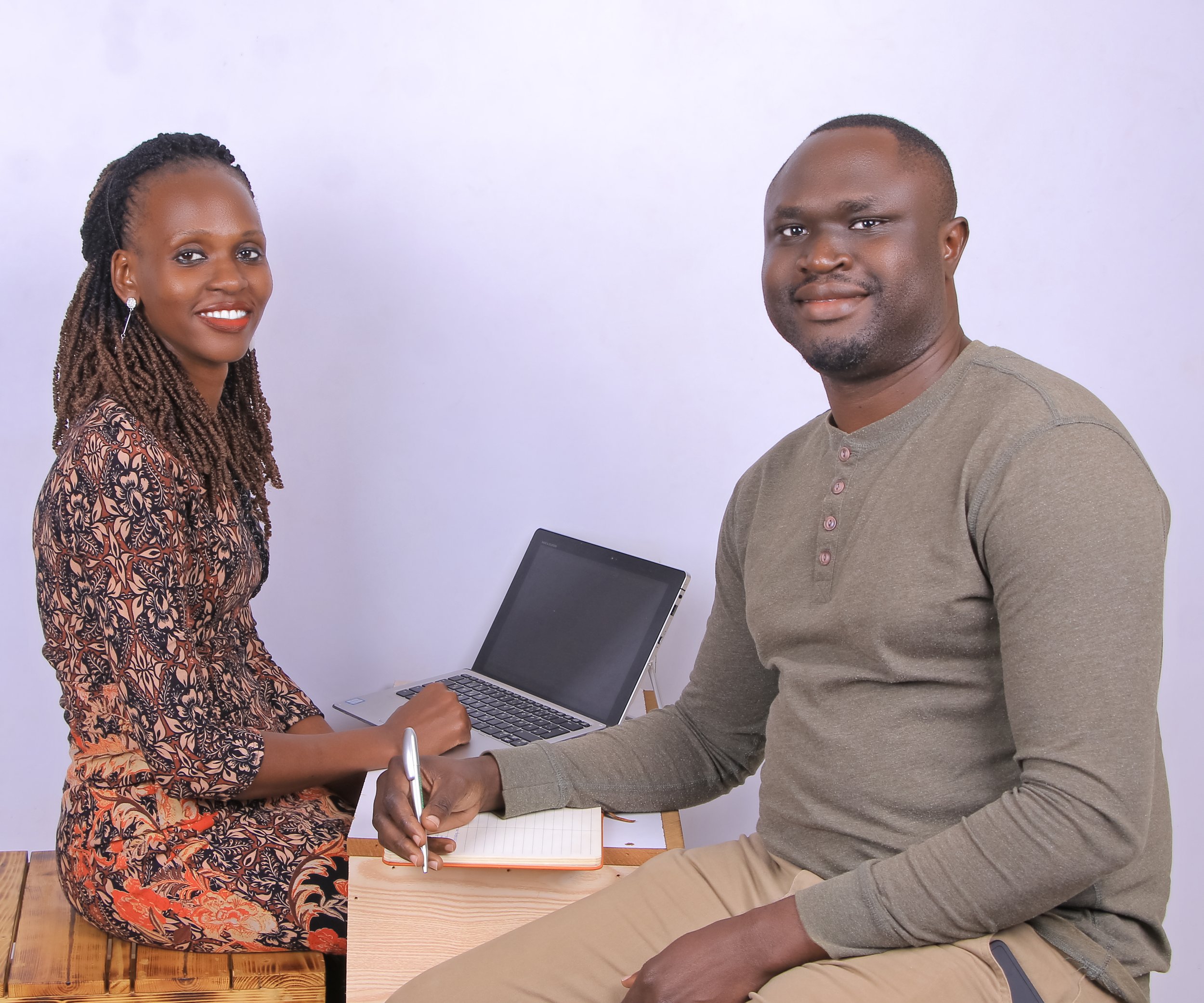
Dr. Gilbert Elijah Sangadi and Dr. Fridah Akello are experienced public health experts and medical doctors. They co-founded the Count Down to Zero Initiative to provide accessible cervical cancer screening in Uganda’s Teso region. With Dr. Sangadi's expertise in public health management and Dr. Akello's focus on maternal & child health and HIV/AIDS care, they are dedicated to reducing cervical cancer-related mortality through innovative, community-driven healthcare solutions.
PILOT AND SCALING GOALS
C2Z will reach not less than 736 men and 1472 women with messages; screen 552 women for Cervical Cancer using Visual Inspection with acetic acid (VIA), refer and link all VIA-positive women for treatment and support.
Their model has three (3) key distribution units; 46 Community Resource Persons and 18 healthcare workers trained and facilitated to offer CaCx literacy, screening and referrals from 3 static clinics and 9 outreaches.
Raise additional USD 27,000 for the scale up.
FOUNDING TEAM
Dr. Sangadi Gilbert Elijah - Project Coordinator
Dr. Fridah Akello - Quality and Knowledge Management Advisor
Cancer MedLab
Cancer MedLab mission is to make cervical cancer screening accessible, affordable, and ultimately, to save lives through early detection and intervention.
PATIENT IDENTIFICATION CHALLENGE; RWANDA

PROVEN INTERVENTION TO BE DISTRIBUTED
Cervical cancer screenings
Learn more about the Patient Identification Challenge and why identifying individuals in need of medical treatment and finding ways to make that treatment accessible reduces poverty.
DISTRIBUTION MODEL INNOVATION
Cancer MedLab’s mission is to make cervical cancer screening accessible, affordable, and ultimately, to save lives through early detection and intervention.
Cancer MedLab will improve cervical cancer screening among rural women aged 30-50 in Rwanda's Burera district. Their innovative distribution model focuses on rural areas and employs community health workers (CHWs) trained with a specialized toolkit and social marketing theory to raise awareness and mobilize women for screening.
This grassroots approach ensures accessibility and community engagement. Through collaboration with 18 local health centers to train 72 healthcare providers (nurses/ midwives), Cancer MedLab will conduct cervical cancer screenings using VIA, with positive cases recorded digitally for efficient tracking and referral for further follow-up.
Cancer MedLab is a new venture co-founded by Dr. Jean Paul Ndayizeye and Dr. Emmanuel Manirakiza. Dr. Jean Paul is the CEO and Dr. Emmanuel is the Clinical Mentor.
PILOT AND SCALING GOALS
600 women will be screened for cervical cancer.
18 screening sessions will done in three months and facilitated by 144 trained healthcare providers (72 CHWs and 72 nurses/ midwives).
Fundraise an additional $27,560 from new donors within 12 months.
FOUNDING TEAM
Dr. Jean Paul Ndayizeye - CEO
Dr. Emmanuel Manirakiza - Clinical Mentor
Awaken Her Initiative
Through deliberate community awareness, the Awaken Her Initiative envisions a Rwanda in which no woman dies as a result of cervical cancer ignorance.
PATIENT IDENTIFICATION CHALLENGE; RWANDA

PROVEN INTERVENTION TO BE DISTRIBUTED
Cervical cancer screenings
Learn more about the Patient Identification Challenge and why identifying individuals in need of medical treatment and finding ways to make that treatment accessible reduces poverty.
DISTRIBUTION MODEL INNOVATION
Through deliberate community awareness, the Awaken Her Initiative envisions a Rwanda in which no woman dies as a result of cervical cancer ignorance.
Their distribution approach is a women-to-women awareness method in which well-trained cervical cancer survivors and medical doctors will assist in raising awareness about the benefits of voluntary cervical cancer screening. The Awaken Her Initiative is a well-designed methodology for reinforcing Rwanda's efforts to eradicate cervical cancer.
Four Rwandan doctors — Drs. Clarisse Iradukunda, Yvette Nkurunziza, Kambali Philbert, and Rwamatwara Alype founded the Awaken Her Initiative.
PILOT AND SCALING GOALS
Education of 4200 women about cervical cancer in three months.
Cervical cancer screening of 400 women using VIA, and follow-up with 120 VIA-positive women to determine the best course of treatment in 3 months.
Fundraise $10,000 from new donors within 3 months.
FOUNDING TEAM
Dr. Iradukunda Clarisse - Founder
Dr. Nkurunziza Yvette - Founder
Dr. Kambali Philbert - Founder
Dr. Rwamatwara Alype - Founder
She Screens Uganda
She Screens Uganda’s mission is to extend cervical cancer screening services in rural Uganda.
PATIENT IDENTIFICATION CHALLENGE; UGANDA
PROVEN INTERVENTION TO BE DISTRIBUTED
Cervical cancer screenings.
Learn more about the Patient Identification Challenge and why identifying individuals in need of medical treatment and finding ways to make that treatment accessible reduces poverty.
DISTRIBUTION MODEL INNOVATION
She Screens Uganda’s mission is to extend cervical cancer screening services to all women at an affordable cost by early identification and referral for first line treatment of women with precancerous cells through incentivized group transportation, and partners with philanthropy organizations for extensional support.
This culturally sensitive model for cervical cancer screening will pilot in Bukomansimbi district. About 400 women aged 25-49 years will be sensitized about cervical cancer including signs/symptoms and prevention, screened and identified patients will be referred through streamlined referral to first line treatment center through incentivized group transportation, and partners with philanthropy organizations for extensional support.
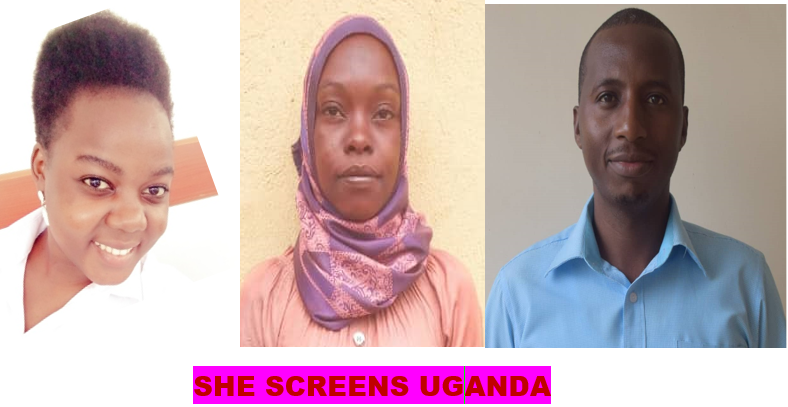
She Screens Uganda was founded by Nabunnya Naimat following the death of her mother to cervical cancer. Naimat's vision was enhanced by her colleagues Nakonge Martha Dearn and Nemeyimana Vicent who developed interest in this field through their working practice in clinical settings.
PILOT AND SCALING GOALS
Direcly reach and screen at least 400 women aged 25-49 years with in three months
Fundraise an additional $15,000 USD from philanthropic organizations
Screen 7,000 women by the end of year 2
FOUNDING TEAM
Nabunnya Naimat - Program Manager
Nakonge Martha Dearn - Nursing Officer
Nemeyimana Vicent - Clinical Officer
Fistula Awareness and Treatment Initiative
Fistula Awareness and Treatment Initiative aims to identify and to help treat obstetric fistula patients from remote areas of South Sudan.
PATIENT IDENTIFICATION CHALLENGE; SOUTH SUDAN

PROVEN INTERVENTION TO BE DISTRIBUTED
Obstetric fistula screenings.
Learn more about the Patient Identification Challenge and why identifying individuals in need of medical treatment and finding ways to make that treatment accessible reduces poverty.
DISTRIBUTION MODEL INNOVATION
Fistula Awareness and Treatment Initiative aims to identify and to help treat obstetric fistula patients from remote areas of South Sudan.
In Western Equatoria State of South Sudan, the majority of women deliver at home without a skilled birth attendant and when complications arise, as they do in approximately 30% of all births, there is no one available to treat the woman, leading to disabling injuries like fistula. The project will use women peer educators, community health workers and traditional healers to increase community awareness about the issue, with a concomitant increase in the number of patients identified and be referred to the nearby hospitals to receive the required treatment for obstetric fistula. The project will cover transportation costs for fistula patients to get treatment and will further establish fistula survivors’ solidarity groups for awareness raising and ongoing identification of other patients.
Fistula Awareness and Treatment Initiative was started December 2021 by Fidele Tuyishimire and Pio William Jey Mayot. Fidele serves as the Director of the initiative while Pio William serves as its Partnership Officer.
PILOT AND SCALING GOALS
Identify and help treating 150 fistula patients
Empower 60 community health workers and 40 traditional healers to assist in identifying and help treating fistula patients
Conduct 40 community awareness campaigns on obstetric fistula
FOUNDING TEAM
Fidele Tuyishimire- Director
Pio William Jey Mayot - Partnership Officer
Screensavers Initiative
Screensavers Initiative reduces morbidity and mortality due to cervical cancer by increasing access to cervical cancer screening using VIA in Uganda.
PATIENT IDENTIFICATION CHALLENGE; UGANDA

PROVEN INTERVENTION TO BE DISTRIBUTED
Cervical cancer screenings.
Learn more about the Patient Identification Challenge and why identifying individuals in need of medical treatment and finding ways to make that treatment accessible reduces poverty.
DISTRIBUTION MODEL INNOVATION
Screensavers Initiative reduces morbidity and mortality due to cervical cancer by increasing access to cervical cancer screening using VIA among populations with unmet need.
The Screensavers model employs outreach clinical services using satellite clinics and a community participatory client recruitment process characterized by two components: (i) using community health volunteers locally known as village health teams (VHTs) to provide women with education and information hence enabling them to make informed decisions about cervical cancer screening and (ii) ensuring that women who receive screening services are satisfied and encourage other women to attend. The model is deliberately focused on sustainability, which is why the team works to ensure that programs are championed through community and government support structures. The project pilot will launch in Kalungu district before scaling to cover other districts in Uganda and beyond.
PILOT AND SCALING GOALS
Screen 200 women during the pilot and refer any positive cases for treatment and follow-up
Raise an additional $30,000 during the pilot period
Screen 1,000 women by the end of year 1
Screen 10,000 women by the end of year 2
FOUNDING TEAM
NAGIRINYA AIDAH - Team Lead
NALUKWAGO COSTARITAH - Project Coordinator
SSALI DENIS - Monitoring and Evaluation Officer
AGABA COLLINS - Field Coordinator
LafiaCare
LafiaCare expands access to cervical cancer education, screening and treatment in Bukina Faso.
PATIENT IDENTIFICATION CHALLENGE; BURKINA FASO

PROVEN INTERVENTION TO BE DISTRIBUTED
Cervical cancer screenings.
Learn more about the Patient Identification Challenge and why identifying individuals in need of medical treatment and finding ways to make that treatment accessible reduces poverty.
DISTRIBUTION MODEL INNOVATION
LafiaCare expands access to cervical cancer education, screening and treatment in Burkina Faso.
LafiaCare manages a mobile cervical cancer clinic that travels to rural and urban areas in Burkina Faso to offer education and screening services. This mobile clinic establishes an electronic health record and cervical cancer registry as LafiaCare expand to different areas to ensure regular screening to women. LafiaCare is the only large scale health services distribution model in the country which travels directly to patients wherever they are, allowing the early identification of cervical cancer patients who otherwise only get diagnosed at later and deadly stages of the disease.
PILOT AND SCALING GOALS
Screen 5,000 women during the pilot and reach 2,000 people via the call center during the pilot period
Fundraise an additional $15,000 during the pilot period
Screen 20,000 women by the end of year 1
Screen 50,000 women by the end of year 2
FOUNDING TEAM
Rassidatou Konate - Executive Director
Florence Compaore - Executive Assistant
Seybatou Compaore - Communication and Outreach
Stephane Sawadogo - Screening and Monitoring
Charlemagne Bazie - Screening and Monitoring
William Tapsoba - Communication and Outreach
OBF Recruit
OBF Recruit's mission is to help reduce the obstetric fistula burden in Ghana and beyond through active case identification.
PATIENT IDENTIFICATION CHALLENGE; GHANA

PROVEN INTERVENTION TO BE DISTRIBUTED
Cervical cancer screenings.
Learn more about the Patient Identification Challenge and why identifying individuals in need of medical treatment and finding ways to make that treatment accessible reduces poverty.
DISTRIBUTION MODEL INNOVATION
OBF Recruit's Mission is to help reduce the obstetric fistula burden in Ghana and beyond through active case identification.
OBF Recruit's model operates on the four key trajectories of creating awareness, recruitment through active case search using trained volunteers, transportation of eligible clients to care centers and evaluation of model impact.
The model is critical as eligible fistula patients are recruited in the Central Region of Ghana at the household level through trained volunteers in a one-to-one interactive section.
OBF Recruit was founded by Dr. Justice Osei, Solomon Kwadwo Achinah, Esinam Agbemafle and Rose Mantey in 2019 to who wanted to bridge the gap between obstetric fistula patients and the treatment centers.
PILOT AND SCALING GOALS
Screen 130 women during the pilot and refer any positive cases for treatment and follow-up
Raise an additional $5,000 during the pilot period
Screen 1,380 women by the end of year 1
Screen 2,644 women by the end of year 2
FOUNDING TEAM
Solomon Kwadwo Achinah - Financial Controller
Dr. Justice Osei - Director of Operations
Ernestina Agbemafle - Recruitment/Outreach Supervisor
Rose Mantey - Recruitment/Outreach Supervisor
CareNet
CareNet identifies fistula patients and coordinates their treatment in Uganda.
PATIENT IDENTIFICATION CHALLENGE; UGANDA

PROVEN INTERVENTION TO BE DISTRIBUTED
Using a mobile platform and community networks to identify obstetric fistula and transport patients to hospitals offering free services.
Learn more about the Patient Identification Challenge and why identifying individuals in need of medical treatment and finding ways to make that treatment accessible reduces poverty.
DISTRIBUTION MODEL INNOVATION
CareNet identifies fistula patients and coordinates their treatment in Uganda.
CareNet uses an intertwined model comprising a community-level multidisciplinary network of stakeholders supported by a mobile-based application and other digital technologies to: (a) increase awareness on fistula treatment, and (b) coordinate its delivery/distribution in rural communities in Uganda.
In this model, the community-level multidisciplinary network is an avenue for creating awareness on fistula repairs/treatment and identifying patients. The mobile-based application is an evidence-based mechanism for coordinating treatment of patients, and monitoring patterns of distribution and adoption of treatment services. The coordination of care and treatment involves organizing and providing financial or logistical support that fistula patients need so as to access free fistula repair services at specific health facilities in Uganda.
CareNet is founded by Agnes Nakakawa, Fiona Tulinayo, Ibrahim Mugerwa, Daniel Kasule, Linda Wandira, and Datsun Bazzeketa.
PILOT AND SCALING GOALS
Identify 100 fistula patients and connect them to treatment by the end of the pilot
Reach 640 fistula patients by the end of year 1
Reach 1,100 fistula patients by the end of year 2
FOUNDING TEAM
Agnes Nakakawa - Team Leader
Fiona Tulinayo - Manager, Strategic Information and Development
Ibrahim Mugerwa - Manager, Community Sensitization & Coordination of Treatment and Care
Daniel Kasule - Monitoring and Evaluation Specialist
Linda Wandira - Manager, Customer Relations, Operations & Finance
Datsun Bazzeketa - Software/App Developer
Con-Com
Con-Com will utilize the network of home based care workers (HBCs) who currently work on HIV treatment to help ensure that more women living in rural areas of Tanzania are screened for cervical cancer.
PATIENT IDENTIFICATION CHALLENGE; TANZANIA

PROVEN INTERVENTION TO BE DISTRIBUTED
Cervical cancer screenings.
Learn more about the Patient Identification Challenge and why identifying individuals in need of treatment suffering from health conditions such as obstetric fistula, cervical cancer, clubfoot, and cataracts which can be corrected with cost-effective interventions, could save lives.
DISTRIBUTION MODEL INNOVATION
Con-Com will utilize the network of home based care workers (HBCs) who currently work on HIV treatment to help ensure that more women living in rural areas are screened for cervical cancer. HBCs will alert women to screening services, including on days when the cervical cancer team travels on outreach to villages, and refer patients to screening services. HBCs will also distribute stipends covering transportation fees for women to enure they can reach screening services. Finally, HBCs will help overcome gender barriers by having a male HBC explain the value of screening to men to encourage husbands to support wives when they are screened.
Con-Com will implement their intervention at Shirati Hospital, a district hospital serving over 250,000 people, and located five hours from the nearest referral hospital in Mwanza, Tanzania. Poverty and distance mean that women often do not hear about the screening services available at Shirati Hospital or cannot afford the cost of transport. Con-Com will focus on providing awareness of the benefits and screening and treatment, a stipend to pay for transport to screening services, and assistance in convincing their husband's to allow patients to receive treatment. Additionally, patients are in need of checkups post procedure if they start presenting symptoms. HBCs working with Con-Com will also take on this role.
PILOT AND SCALING GOALS
120 women screened during the pilot
3 women referred to the referral hospital for treatment during the pilot
360 women screened by the end of year 1
600 women screened by the end of year 2
60 women referred to the referral hospital for treatment by the end of year 2
FOUNDING TEAM
Luke Maillie - Founder
Sehak
Sehak has created creating a free, call-based service that provides an accessible
diagnosis for the 4 easily correctable health conditions targeted, connects users to vetted health facilities that can treat the diagnosed condition, and regularly engages with the users.
PATIENT IDENTIFICATION CHALLENGE; INDIA

PROVEN INTERVENTION TO BE DISTRIBUTED
Free, SMS service that provides accessible diagnosis for for easily correctable health conditions and connects users to vetted health facilities.
Learn more about the Patient Identification Challenge and why identifying individuals in need of medical treatment and finding ways to make that treatment accessible reduces poverty.
DISTRIBUTION MODEL INNOVATION
In Mumbai, a dynamic metropolis and the entertainment and financial capital of India, 41.3% of the population of 19 million reside in slums. The largest of these slums is Dharavi, a locality in the heart of Mumbai, with a staggering 2000 people residing per acre. Many of the public hospitals in the area are overcrowded and unreliable in their services , leading residents of the slums to face a lack of access to affordable, quality healthcare, despite their proximity to world-renowned health infrastructure - echoing a theme seen in many urban slums across India. This leads to residents contracting diseases that are left undiagnosed and untreated in spite the fact that some of these conditions are easily-correctable, easily-identifiable and cheap to treat.
88% of Indian households now have mobile phones, including 77% of households in the bottom quintile. Due to the widespread presence of mobile phones, India is predicted to have the highest adoption rate for mobile health or “mHealth” technologies
Sehak has created creating a free, call-based service that provides an accessible
diagnosis for the 4 easily correctable health conditions targeted, connects users to vetted health facilities that can treat the diagnosed condition, and regularly engages with the users.
The service will target 4 pecific easily-correctable, identifiable and cheap-to-treat health conditions: obstetric fistula, cataracts, clubfoot and cervical cancer.
Users will sign up for our service by placing an initial missed call to our number. They will then receive an immediate automatic call back, and the automated response system (IVR) will prompt the first-time caller to provide their basic demographic information, including their gender, age, location, and preferred language, as well as whether they are married and/or have young children. We will then store this information in our subscriber database and the subscriber will start receiving our regular text messages via SMS to dispense essential and timely health information.
PILOT AND SCALING GOALS
Reach 5,000 users during the pilot
Reach 50,000 users by the end of year 1
Send 1,500 diagnostic calls during the pilot
Send 15,000 diagnostic calls by the end of year 1
FOUNDING TEAM
Sanya Sareen - Partnerships and Finance Lead
Nishchala Bhandari - Strategy and Human Capital Lead
Arushi Gupta - Technology and Research Lead
Nena Foundation
NENA foundation's mission is to identify women suffering from obstetric Fistula and connect them to hospitals offering free treatment and corrective surgeries.
PATIENT IDENTIFICATION CHALLENGE; KENYA

PROVEN INTERVENTION TO BE DISTRIBUTED
Using radio and SMS to identify obstetric fistula and transport patients to hospitals offering free services.
Learn more about the Patient Identification Challenge and why identifying individuals in need of medical treatment and finding ways to make that treatment accessible reduces poverty.
DISTRIBUTION MODEL INNOVATION
In Kenya, it is estimated that obstetric fistula (OF) occurrence stands at 3 to 4 women for every 1,000 deliveries. Most available literature states that each year, an estimated 3,000 new cases of OF are reported in Kenya with only 7.5% of these women able to access medical care for the condition. These statistics are problematic as they are mostly hospital based and not fully indicative of the magnitude of the problem. With a majority of births in Kenya taking place at home, there is less data for OF outside hospitals and in the rural areas where the problem is most rife.
The operational model consists of four major phases: awareness raising of the intervention via radio broadcasts and bulk SMS and identification of OF patients within Kericho County; connecting with beneficiaries in need of treatment and transporting them to a healthcare facility providing free treatment; treatment, rehabilitation and counseling of the women; and monitoring and evaluation of the pilot intervention to ensure achievement of objectives and responsiveness to ensure ristsks are addressed
The preferred method through which potential beneficiaries will contact Nena Foundation will be through sending an SMS to a number that would have been shared via radio and bulk SMS outreach. Once a person is identified via SMS or call, Nena Foundation will schedule a time to call the woman with OF to ascertain the exact extent of the condition. The Patient Transport Service represents a significant part of operations and will involve the transportation of patients to the healthcare facility offering free treatment: the Gynocare Fistula Women's Hospital in Eldoret. The woman will be contacted after the screening and informed of when her appointment is with sufficient time to communicate if the appointment date fits their schedule.
PILOT AND SCALING GOALS
120 people reached by the end of the pilot phase
1,000 people reached by the end of year 1
2,500 people reached by the end of year 2
FOUNDING TEAM
Faith Sigei - Co-Founder, Medical Manager
Godwin Bett - Co-Founder, Operations and Finance Manager
Shalom Ndiku - Co-Founder
Every Child Matters
Every Child Matters aims to address the widespread prevalence of clubfoot, a debilitating physical deformity that leaves 1.19/1000 newborns in Uganda with inverted feet, and which, if left untreated, causes significant disability.
PATIENT IDENTIFICATION CHALLENGE; UGANDA


PROVEN INTERVENTION TO BE DISTRIBUTED
The Ponseti method is a painless, fast, cost-effective, and reliable method for correcting clubfoot without surgery.
Learn more about the Patient Identification Challenge and why identifying individuals in need of medical treatment and finding ways to make that treatment accessible reduces poverty.
DISTRIBUTION MODEL INNOVATION
Clubfoot is a debilitating physical deformity that leaves 1.19 out of 1,000 newborns in Uganda with inverted feet, which, if left untreated, causes significant disability. Clubfoot remains a challenge in Uganda because of lack of information about the condition, failure to detect the deformity at birth or early infancy, and limited capacity within the health system to provide correct and affordable treatment.
Every Child Matters has devised a three-pronged approach:
- Raise awareness about clubfoot in rural communities
- Train health workers to identify clubfoot and make proper referrals for treatment
- Train orthopedic doctors in the Ponseti method
PILOT AND SCALING GOALS
- Identify 225 patients with clubfoot, refer them for treatment, conduct follow-up
- Train 20 village health teams and 20 traditional birth attendants from 10 villages to ID patients
- Write 3 proposals for follow-on funding
FOUNDING TEAM
Daisy Nakasi
Mathias Mulumba
Lillian Nakisozi
Emily Ausubel
Are you ready to be the next great social entrepreneur?