Novotera
Novotera is helping low-income families in Vietnam gain access to clean cookstoves by building a distribution network around the popular Rua cookstove. The Rua is designed to work with
COOK STOVE CHALLENGE; VIETNAM

PROVEN INTERVENTION TO BE DISTRIBUTED
Rua clean cook stoves.
Learn more about the Cook Stove Challenge and how clean cook stoves reduce health and safety risks, lower fuel expenses, and help reduce poverty.
DISTRIBUTION MODEL INNOVATION
The popular Rua Cook Stove will be promoted through the Novotera sales force and distribution network. To maximize distribution and to meet different budgets, customers will have the option of different stove grades (high grade stove, low grade stove, refurbishment of existing stove) and different payment plans at fair market prices. Novotera will utilize the Global Alliance for Clean Cookstove's verified selling startegy: use the stove for a few weeks and then return it or purchase it if satisfied. Customers will also have the option to purchase a stove on credit.
Distribution will rely on door-to-door sale-by-motorcycle which as previously proven effective as a sales system in Northern Vietnam. Group sales will take place in markets and in stores. Network partners will reach out to informal dealers in villages and stores. The Rua Stove will be promoted through visually rich flyers and stove demonstrations in outdoor markets where salted popcorn (unfamiliar in Vietnam) will be handed out to attract attention. A salesforce will be trained to speak about every aspect of the stove including its ability to produce biochar, to operate on rice husk, and to replace a rice cooker. An emphasis will be put on an after-sale service were customers can call in or have a broken stove repaired. A monitoring system using three key metrics will be put in place to better evaluate progress and projections.
PILOT AND SCALING GOALS
- Reach 250 households during the pilot phase
- Sell 920 stoves per month by the end of year 1
- Have 25,000 low-income households using the Rua Stove by the end of year 2
- Employ 15 sales people with their own motorcycles by the end of year 2
FOUNDING TEAM
Dylan Maxwell - Co-Founder
Olivier Kolmel - Co-Founder
vChalk
vChalk offers remedial education and progress tracking services to schools in India. Our customers’ problem is the inability to support all children with diverse learning needs.
FLIPPED CLASSROOM; INDIA
PROVEN INTERVENTION TO BE DISTRIBUTED
Remedial education and progress tracking.
Learn more about the Flipped Classroom Challenge and why new education models, like flipping the classroom or deskilling a class curriculum, offer a solution to the vast teacher shortages in the developing world.
DISTRIBUTION MODEL INNOVATION
vChalk offers remedial educaiton and progress tracking services to affordable private schools in semi- and per-urban India. The problem is the inability to support all children in India with diverse learning needs in keeping up with the formal curriculum and in preventing them from falling behind. This inefficiency translates into poor learning outcomes for millions of young learners in India, many of them first generation, who are enrolled in primary school but have not achieved the minimum benchmarks for learning.
Remedial programs that help students catch up have been, for years, directed only toward government schools. As affordable private schools spread to meet the growing demand for education in India, vChalk fills an important learning gap by distributing the proven Balsakhi (now called Read India) remedial education model to these schools. We help mitigate their problem by offering a bundle of two services: in-school remedial programs start and support (targeted at children who do not master basic numeracy and literacy skills) and learning progress tracking service (targeted at children who are subscribed to the remedial class).
The remedial program would look like this: a female Community Instructor who has completed at least 12th grade and who is motivated to work with children (ideally from the parents' community) works with lower perfornace students in 3rd and 4th grade for two hours each day. The instructor goes through a two week training program before teaching and receives further on the job training during the year from vChalk's Monitoring Manager. The intervention runs for two years at the school. vChalk's tracking system of children's learning progress is a focus of the project and makes longitudinal data available for each student.
PILOT AND SCALING GOALS
- 30 active schools during the pilot phase
- 360 total students in remedial classes during pilot phase
- 160 active schools at the end of year 1
- 3,220 students in remedial classes at the end of year 1
- 360 active schools at the end of year 2
- 7,620 students in remedial classes at the end of year 2
FOUNDING TEAM
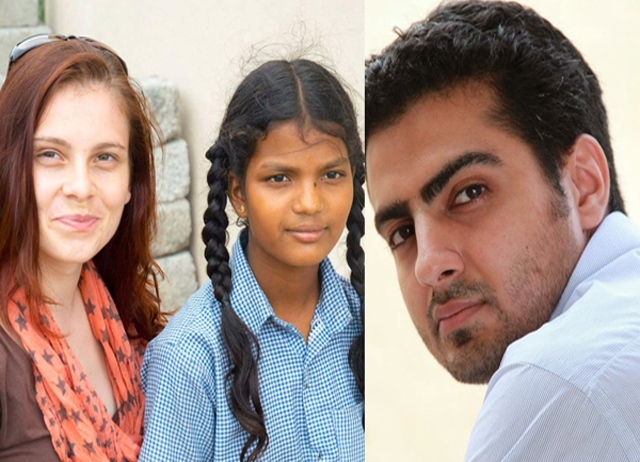
Daniela Gheorghe - Team Lead
Anil Bishnoi - Chief Technical Officer
Jody Tian - Management Consultant
Suma Nagaraj - Product Development Consultant
Jeunes Braves
Jeunes Braves was founded by Som Kpante and Komi Begeou. This new venture will scale up Sugar Daddy Awareness Classes across Togo. This intervention was proven in a randomized
SUGAR DADDY AWARENESS CHALLENGE; TOGO

PROVEN INTERVENTION TO BE DISTRIBUTED
Sugar daddy awareness classes.
Learn more about the Sugar Daddy Awareness Challenge and how a simple, one-hour “sugar daddy awareness” training could help countless girls avoid pregnancy while still in school, which can lead to entrenched poverty, and build a better life.
DISTRIBUTION MODEL INNOVATION
A proven solution to the sugar daddy problem was fond in Kenya but a a solution will fail in another location if not adapted to the correct context. Jeunes Braves will remain true to the original classes but design a program well adapted to the Togolese setting to make the program more attractive to the youth in Togo, using videos in French which have already been created. The class discussion will discuss how poverty, cross-generation relationships, and teenage pregnancy are all connected.
The project will be implemented in two phases: a three month preliminary phase, or pilot phase, and phase two. For both phases, a three-fold strategy will be implemented: top-down, grassroots, and marketing. Jeunes Braves will train facilitators to lead the sugar daddy awareness classes. Participants will include female leaders of youth organizations. The organization will also run 10 conferences during which students will be divided into small groups for classes and workshops.
PILOT AND SCALING GOALS
Reach 10 schools during the pilot phase
Reach 5,500 students during the pilot phase
Reach 100 schools by the end of year 1
Reach 200,000 students by the end of year 1
Reach 500,000 students by the end of year 2
FOUNDING TEAM
Komi Begedou - Co-Founder
Som Tang'ma Kpante - Co-Founder
Dazin
Dazin was founded by Deepak Ashwani. Dazin provides most affordable and environmental friendly cooking energy solution to the households of Bhutan. Dazin manufacture the fuel
COOKSTOVE CHALLENGE; BHUTAN

PROVEN INTERVENTION TO BE DISTRIBUTED
Efficient cook stoves and fuel cookies.
Learn more about the Cook Stove Challenge and how clean cook stoves reduce health and safety risks, lower fuel expenses, and help reduce poverty.
DISTRIBUTION MODEL INNOVATION
Dazin manufactures and distributes Fuel Cookies made from manually collected forestry wood waste such as tree branches, locally known as 'lops and tops'. Abundant available raw material is collected based on the requirements of each household and delivered at our extended network of collection points. Dazin fuel cookies will reduce the forestry wood required for cooking by 84%, reduce time spent collecting fuel by half, cost less than what customers use currently, allow for a healthy gross profit margin from fuel sales to allow the organization to expand.
The fuel and cook stove combination system is affordable, even for the poorest families, through the cross subsidized revenue model. Dazin provides free fuel cookies and free smokeless gasifying stoves in exchange for the rural households supplying free forestry wood waste. Due to the efficiency of the combined fuel and stove system, an excess of fuel cookies is produced compared to the wood waste provided. The surplus fuel cookies are sold in nearby cities to offset free services in rural areas and expand to new areas. For example, a woman living in a rural area collects 40-50% lesser forestry waste and provides to Dazin at the nearest collection point. She gets in return enough free fuel cookies to meet her cooking requirements. She also gets a smokeless gasifying stove on lease to use the fuel cookies. Remaining fuel cookies made from her wood waste contribution provides enough fuel for three equivalent urban households. These are sold at urban markets as a cost-effective and reliable fuel supply to offset her free services. Stoves are leased with a nominal yearly maintenance fee of $15-30 depending on the stoves. These inventories also supply directly to commercial customers such as restaurants and schools.
PILOT AND SCALING GOALS
- Set-up fuel production infrastructure over the pilot phase
Reach 4,000 households by 2016
Reach 28,000 households by 2017
FOUNDING TEAM
Deepak Ashwani - Co-Founder
SponsorHer!
SponsorHer! will ensure the brightest girls receive high school education through a scholarship program. Their fundraising platform mobilizes a network of expatriate mothers
SCHOLARSHIP CHALLENGE; ETHIOPIA
PROVEN INTERENTION TO BE DISTRIBUTED
A scholarship program via a social fundraising platform.
Learn more about the D-Prize challenges and why we focus on distributing proven poverty interventions that can help millions.
DISTRIBUTION MODEL INNOVATION
In Ethiopia, 80% of girls are enrolled in primary school but only 30% continue on to secondary school. It costs approximately USD 18 a month to keep a girl in high school, a sum that most families cannot afford. The aim of SponsorHer! is to support poor and bright girls in Ethiopia to go to high school through a scholarship program funded by a network of expatriate (and other) mothers as well as their families and friends at home. Believing that this target group wants to be more than passive donors, SponsorHer! is going to enable them to build a personal relationship with the sponsored girls through a social fundraising network and to easily motivate others to participate. At the same time, SponsorHer! will enable foreign companies operating in Ethiopia to enhance their social responsibility by engaging in corporate sponsorships. Being able to build on the team's experience on the ground, pre-existing networks and social media, SponsorHer! is going to provide a cost-effective scholarship program for girls with extremely low overhead costs to maximize impact.
PILOT AND SCALING GOALS
- Fund 100 scholarships during the pilot phase
- Sponsor 680 girls by the end of year 1
- Gain 10 corporate or institutional partners by the end of year 1
- Support 5,000 girls through scholarships by the end of year 2
FOUNDING TEAM
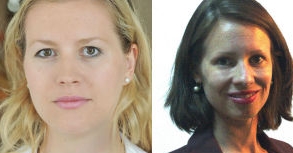
Viola Csordas - Co-Founder
Maria Zandt - Co-Founder
Asepsis
Asepsis will implement a highly integrated and sustainable system that resolves the problem of waste collection in urban slums. Using a lowcost and durable squat toilet, they
CUSTOM CHALLENGE; INDIA

PROVEN INTERVENTION TO BE DISTRIBUTED
Low cost and durable squat toilets.
Learn more about the Custom Challenge and why we only fund ideas that focus on distributing proven poverty interventions.
DISTRIBUTION MODEL INNOVATION
The sanitation crisis in India is one of massive proportions and the situation is particularly pronounced in Dharavi - one of the world's largest slums - right outside of Mumbai. With approximately one toilet for every 1,1440 people, it is not surprising that upwards of 4,000 cases of disease are reported every day.
The goal is to design a fifteen gallon cylindrical toilet - similar in shape and design to the Well WaterWheel, but with an airtight seal to repel odor and lined with a bio-plastic bag - to be distributed to Dharavi families. The toilet, once filled, will be taken to central collection site to be emptied, cleaned, and returned for continuous use. The waste will them be sold to a local sanitation company that turns it into compost. For every barrel returned, the family will receive 1/3 of the price the waste is sold for, providing an economic incentive for doing so. The other 2/3 of the profit will be used to maintain and expand our operations.
Community hubs that receive these toilets will be an essential forum for allowing partner NGOs a chance to distribute vaccines and health care to Dharavi residents. To determine the location for these sites, Asepsis will team up with the Development Planning Unit of University College London which has pinpointed certain "catalytic sites" within the slum. Using this as reference will ensure that our system is easily integrated into Dharavi.
PILOT AND SCALING GOALS
Prototyping toilet design and establishing network during the first 6 months
Create 1 community hub and distribute 100 toilets to pre-approved families during the pilot phase
Distribute 400 more toilets by the end of year 2
FOUNDING TEAM
Evan Young - Co-Founder
Mas Obuz - Co-Founder
SoLight
SoLight is drastically increasing the use of solar lamps in Uganda. Customers are served via a shopkeeper network, and services include a Daily Rental Program where customers can
SOLAR LAMP CHALLENGE; UGANDA
PROVEN INTERVENTION TO BE DISTRIBUTED
Solar Lamps.
Learn more about the Solar Lamp Challenge and how these lamps create enormous benefits for developing world families.
DISTRIBUTION MODEL INNOVATION
SoLight partners with rural shopkeepers to drastically increase the use of solar lamps in Uganda through three usage programs: the Daily Rental Program, the Financing Program, and the Direct Sales Program.
The Daily Rental Program serves as the foundation for all of SoLight's partnerships. Through this program, shopkeepers in a shopkeeper network rent out SunKing Eco Model solar lamps for just seven cents per day. This program is popular as it closely mirrors the current reality of most kerosene and candle usage: small daily purchases. It allows families to test, use, and trust a superior lighting source risk-free with zero financial or lifestyle change requirements.
Local demand is stimulated by the Daily Rental Program while risk is reduced for SoLight by providing a period to train, test, and build trust with partners before larger transactions and larger systems are implemented through the Financing Program and Direct Sales Program. When a SoLight representative is completing bi-weekly shopkeeper visits, users will have the option of purchasing solar products outright. This reduces the inventory SoLight needs to hold and drastically reduces risk by preventing solar products from going missing. Shopkeepers will receive a commission for any of their customers who purchase a solar product directly during one of SoLight's "rolling promotions".
PILOT AND SCALING GOALS
- Engage 10 shopkeepers and sell 75 lamps during a three month period of refining the model
- Engage 100 shopkeepers and sell 1,100 lamps during the pilot phase
- Engage 350 shopkeepers and sell 4,000 lamps by year 1
- Engage 2,150 shopkeepers and sell 28,000 lamps by year 2
FOUNDING TEAM
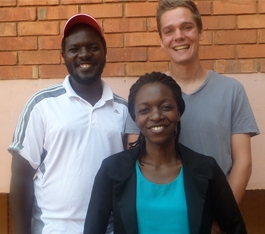
Adam Cameron - Co-Founder, Managing Director
Dorothy Lsoto - Co-Founder, Operations Director
Steffen Wassler - Co-Founder, Advisor
Vianney Tumwesige - Co-Founder, Advisor
Easy Solar
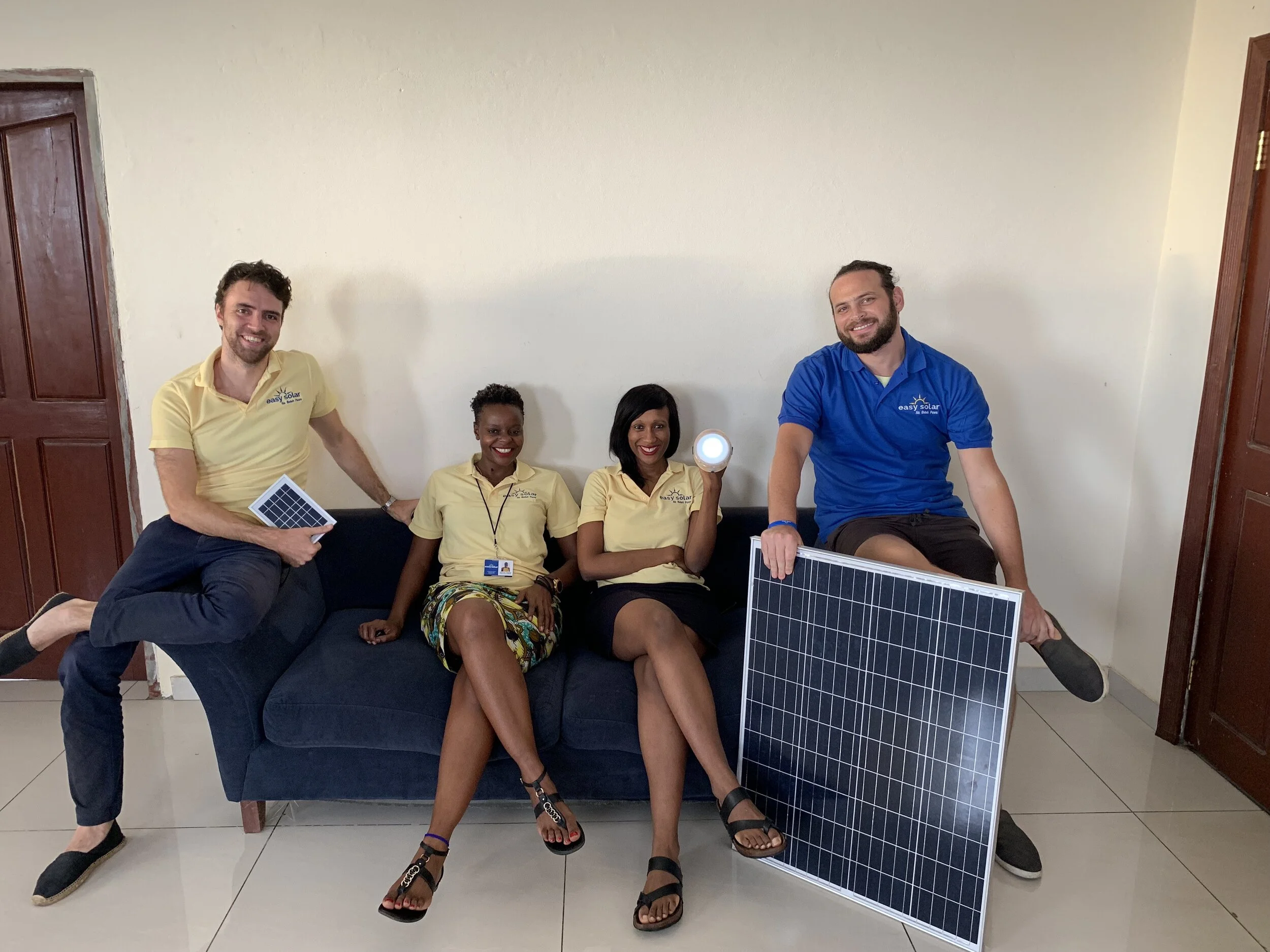
Easy Solar provides pay-as-you-go solar-powered lighting and charging systems to people with no electricity access in Sierra Leone and Liberia.
SOLAR LAMP CHALLENGE; SIERRA LEONE
PROVEN INTERVENTION TO BE DISTRIBUTED
Solar lamps.
Learn more about the Solar Lamp Challenge and how these lamps create enormous benefits for developing world families.
DISTRIBUTION MODEL INNOVATION
Easy Solar provides pay-as-you-go solar-powered lighting and charging systems to people with no electricity access in Sierra Leone and Liberia. Easy Solar’s vision is to make energy, financial services and life improving products, affordable and accessible for all. They offer a range of products including solar lanterns, home lighting systems, appliances and cookstoves on affordable financing plans. All of their products are of the highest quality and come with a two-year warranty. Easy Solar is a social enterprise, which employs over 500 people to date, selling its products in Sierra Leone and Liberia. In these two West African countries, Easy Solar has installed solar devices in over 50,000 homes, providing access to electricity to more than 450,000 people. The company’s efforts have been recognized by the Schwab Foundation, which awarded Easy Solar the Outstanding Social Entrepreneur of the Year Award (2019).
Co-Founder Nthabiseng Mosia made the Forbes Africa 30 Under 30 list in 2019, in the category of “game-changers” in technology. She says, “We started as an energy company but four years later, I now know what we really are, is a people company. Day by day, we are realizing more that our mission of ‘lighting up lives’ goes beyond providing access to energy. At Easy Solar, we care about and seek to make a positive impact with the people in our local communities.”
PILOT AND SCALING GOALS
Reach 800 customers within the pilot phase
Create 5 jobs within the pilot phase
Reach 1,400 customers at the end of year 1
Create 24 jobs by the end of year 1
Reach 10,000 customers by the end of year 2
Create 50 jobs by the end of year 2
FOUNDING TEAM
Nthabiseng Mosia - Co-founder and Chief Commercial Officer
Alexandre Tourre - Co-founder and Chief Executive Officer
Eric Silverman - Co-founder and Chief Operations Officer
GiftedMom
GiftedMom is central Africa's first social enterprise which develops innovative and low-cost technologies to improve maternal and infant health. The team manages an automated service
MATERNAL HEALTH CHALLENGE; CAMEROON


PROVEN INTERVENTION TO BE DISTRIBUTED
An SMS and voice application which sends free, customized and stage-based education and reminders to pregnant women (antenatal care) and new mothers (baby vaccinations).
Learn more about the Maternal Health Challenge and how the distribution of Misoprostol, a $3 drug that can prevent maternal deaths from postpartum hemorrhage, could save thousands of lives.
DISTRIBUTION MODEL INNOVATION
GiftedMom uses innovative and low-cost technologies to send life-saving and educational reminders to pregnant women and new mothers. They develop channels through which to education pregnant women and new mothers specifically in rural areas to help them know the availability of medical resources. The channels include the automated SMS and voice application which send free, customized, and stage-based education and reminders with messages in English, French, and four widely spoken traditional languages, and the Android application and web platform which contain content for teenage mothers and first-time mothers.
Subscription to GiftedMom takes place at hospitals (data collected from these hospitals is sent to a centralized database), through a short code number (with GiftedMom running as Cameroon's first help line for pregnant women and mothers), or through community health workers (community workers and medical students are engaged and trained by GiftedMom to assist in subscribing women who have never been to a hospital).
PILOT AND SCALING GOALS
Reach 1,200 users during the pilot phase
Reach 500,000 users and scale nationwide in Cameroon by the end of year 2
In the future, scale across Central Africa and reach 5 million users
FOUNDING TEAM
Alain Nteff - Co-founder and Executive Director
Dr. Conrad Tankou - Co-founder and Medical Director
Serra Lem - Head of Operations
Power2Girls
Power2Girls will teach sugar-daddy awareness classes, a proven solution to address high teenage HIV and pregnancy rates. The venture relies on local change agents who are personally
SUGAR DADDY AWARENESS CHALLENGE; GHANA


PROVEN INTERVENTION TO BE DISTRIBUTED
Sugar Daddy Awareness classes, a proven solution to address high teenage HIV and pregnancy rates.
Learn more about the Sugar Daddy Awareness Challenge and how a simple, one-hour “sugar daddy awareness” training could help countless girls avoid pregnancy while still in school, which can lead to entrenched poverty, and build a better life.
DISTRIBUTION MODEL INNOVATION
The proven sugar daddy awareness intervention that empowers girls, the Sara Communication Initiative (SCI) developed by UNICEF, will be the cornerstone of the pilot training program in Ghana. Within the pilot, Power2Girls will distribute the curriculum in Ghana through localizing and centralizing SCI curriculum with a team of change agents who are personally motivated and have a demonstrated commitment to girls' empowerment. Power2Girls will train the change agents to maximize impact. The organization will connect with schools and grassroots organizations to deliver quality curriculum in classrooms, build a network of future change agents within schools and communities, and provide mentorship via phone, website, the network of change agents, and on-site visits. Change agents will share curriculum with local teachers via USB drives and content will be distributed to girls' phones. Paper copies of the Sara comic book will also be distributed.
Distribution ultimately rests with students themselves who can harness the power of mobile technology and social media to spread ideas and influence cultural norms within their own communities and their country.
The main goals are to increase awareness of the risks of sugar daddies to 100%, improve girls' confidence to say "no" to cross-generational relationships, and enhance girls' ability to think critically about challenges facing them as well as how current choices can shape the future. Power2Girls will measure and analyze results through pre- and post-assessments and provide reports for schools to show their students' progress to the Ghana Ministry of Education and the public.
PILOT AND SCALING GOALS
The curriculum will reach 5,000 junior high school girls in Central Ghana during the pilot
Change agents will visit 100 schools during the pilot
Reach 50,000 girls across 1,000 schools by the end of year 1
Build a network of 2,000 public school teachers ready for training by the end of year 1
Reduce teen pregnancy by 25% during year 1
FOUNDING TEAM
Sheena Lahren - Curriculum Development and Human Resources Director
Nick Pernisco - Technology Director
Sophie Danner - Research and Results Director
Melissa LaFayette - Partnerships Director
Blueprint International
Blueprint International uses advanced low-cost mobile app technology to track and assist vaccine supply chain drivers. This creates context around the vaccine journey, determines
VACCINE CHALLENGE; SOUTH AFRICA

PROVEN INTERVENTION TO BE DISTRIBUTED
Advanced, low-cost mobile app technology to track and assist vaccine supply chain drivers.
Learn more about our six Global Health Challenges that address immunization, patient identification, maternal health, and other issues and why we focus on poverty interventions that are proven to save lives.
DISTRIBUTION MODEL INNOVATION
Blueprint International seeks to improve vaccine distribution within the developing world by implementing VIVE (Vital Improvements in Vaccine Efficiency), a simple and scalable web management platform for a mobile phone. This tool will enable better management, planning, and tracking of vaccine supplies from central stocks of primary-through-tertiary health care facilities. In addition, it will identify vaccine supply chain failures and highlight needed improvements.
Almost 50% of vaccines are lost in the transition between manufacturer and the desired delivery point. Vaccine supply chains and logistics management capabilities of many countries have been shown to be ill equipped to manage not only the current vaccine supply, but also the increased vaccine volume in the future. Tracking individual vaccine vials is extremely costly and complicated. As a proxy, tracking drivers and collecting data on the vaccine journey will allow for the creation of a customize-able, holistic, and cost-effective approach to fixing supply chains. The technology has already been developed and proven successful within the private sector. The pilot will be rolled out in partnership with Biovac, a vaccine distributor in the Western Cape, South Africa. The model will utilize a three-pronged revenue approach including a monthly rental of the mobile device, advertising, and fees to other suppliers for integration within the system.
PILOT AND SCALING GOALS
- During the pilot, gain proof of concept with five devices and extend the pilot site to all chains in the target area
- Track and monitor 50 devices across two sites in South Africa by the end of year 1
- Identify and target new countries and sites by end of year 1
- Have 300 devices in the field in at least two countries by the end of year 2
FOUNDING TEAM
David Clark - Technology Director
Catharine Young - Operations Director
Colin Young - Director of Business Development
Breakfast Revolution
India faces a silent malnutrition epidemic: ~40% of its children are malnourished leading to ~50% of all child deaths and 2-3% loss to India's GDP. The Breakfast Revolution aspires
CUSTOM CHALLENGE; INDIA

PROVEN INTERVENTION TO BE DISTRIBUTED
Nutritious foods and other essential nutrition interventions for those facing malnutrition.
Learn more about the Custom Challenge and why we only fund ideas that focus on distributing proven poverty interventions.
DISTRIBUTION MODEL INNOVATION
The problem of malnutrition is more common in India (~43%) than in Sub Saharan Africa (~26%). Anemia (low levels of hemoglobin) affects 74% children in India under 3 years, more than 90% of adolescent girls and 50% of women. More than 50% of all childhood deaths in India are attributed to malnutrition. The Breakfast Revolution tackles micronutrient (vitamins and minerals) and protein deficiency in children, adolescents and women from the poorest communities by leveraging proven interventions of food fortification, deworming, and vitamin A prophylaxis. To successfully distribute their fortified products, The Breakfast Revolution ensures they are low-cost, tasty, easily accessible, and evidence based. Their products are:
Supercookie: Cookies made of whole wheat and oats, fortified with 70 -100% RDA of vitamins A, D, Calcium, Iron, Folic Acid, naturally rich in protein and fiber.
Supermilk: Vitamin A and D fortified, organically produced soy milk
Suberbeans: Air-roasted and flavored soybeans, intrinsically rich in protein
Superdrink: Similar to tang, fortified with vitamins C and B complex and electrolytes
The manufacturing is outsourced to Indian FDA-approved manufacturers and The Breakfast Revolution focuses on behavior change communication, distribution, and monitoring and evaluation. Consumers / beneficiaries are put on a program that begins with a baseline health evaluation, deworming and vitamin A prophylaxis, and 3-6 months of our food products 3-5 times a week. Health evaluations are repeated 3-6 times monthly. The Breakfast Revolution will utilize several distribution channels including selling directly to consumers through female entrepreneurs based in slums, selling products to NGOs offering meal programs, and through public-private partnerships with government nutrition programs to get their fortified products to the people who need them on a mass scale.
PILOT AND SCALING GOALS
Serve 1,400,000 meals in the first year
Reach 60,000 beneficiaries in 2 years
FOUNDING TEAM
Neelam Jethwani - Co-founder, Chief Operating Officer
Dr. Pankaj Jethwani - Co-founder
Manasvini Mehta - Director, Business and Micro-Franchise Development
Deevabits Green Energy
Deevabits Green Energy (DGE) was founded by David Wanjau. This new social enterprise will distribute solar lamps to improve the livelihoods and prosperity of the rural poor. DGE uses
SOLAR LAMP CHALLENGE; KENYA


PROVEN INNOVATION TO BE DISTRIBUTED
Solar Lamps.
Learn more about the Solar Lamp Challenge and how these lamps create enormous benefits for developing world families.
DISTRIBUTION MODEL INNOVATION
Kenya has a population of 44.4 million and 75% of Kenyan homes use kerosene lamps as a source of light. In rural areas, only 7% of the population has access to electricity, and these families spend 30% of annual income on inefficient sources of light like kerosene. Deevabits Green Energy will solve these problems by distributing solar lamps that are cost effective, provide up to 15 times more illumination than kerosene lamps, and pay for themselves in less than a year for most households. Solar lamps will be distributed through a group of Village Solar Entrepreneurs, group composed of youth and women.
Village Solar Entrepreneurs are empowered and supported by Deevabits Green Energy to establish micro-enterprises distributing solar lamps in villages. If a group cannot afford the solar lamps, Deevabits will provide them with a start pack of 10 solar lamps on credit, re-stocking the entrepreneurs upon full payment of the previous solar lamps.
PILOT AND SCALING GOALS
- Support 10 Village Solar Entrepreneurs during the pilot
- Sell or distribute 600 solar lamps during the pilot
- Reach 600 households during the pilot
- Support 70 Village Solar Entrepreneurs by year 1
- Sell or distribute 15,900 solar lamps by year 1
- Reach 15900 households by year 1
FOUNDING TEAMS
David Wanjau - Founder
Solar Army Project
The Solar Army Project: Tusingwire Patrick and Hamidah Naishur Nakimuli: Meridian Holdings , a start-up renewable energy service company is creating an army of foot soldiers to
SOLAR LAMP CHALLENGE; UGANDA
PROVEN INTERVENTION TO BE DISTRIBUTED
Solar lamps and other solar products will be distributed by an army youth sales agents to last mile markets.
Learn more about the Solar Lamp Challenge and how these lamps create enormous benefits for developing world families.
DISTRIBUTION MODEL INNOVATION
To begin, the organization will carefully select 20 youth (1/2 of which will be women) from rural areas in Eastern Uganda through collaboration with local authorities and other development partners in the energy space. Those selected will be trained and mentored through a three month process after which they will graduate with varying ranks depending on performance in the areas of sales, leadership, teamwork, reporting, and business acumen. The training program will retain the youth and supply them with products to retail in selected communities. Youth will be held to a sales quota of 2 sales per person per day; they will be expected to target making sales in open markets as well as through various organized groups common in rural areas. There will be weekly evaluations of performance and monthly mentoring and team building meetings. The setup will encourage competitiveness and cooperation to increase sales. Monthly one-on-one meetings will be held with supervisors and the solar army members as part of performance evaluation.
The Solar Army will reach last mile clients by setting up distribution bases closer to the communities. These bases will provide logistical support, stock, strategic marketing support where bulk sales are possible, and after sales support.
PILOT AND SCALING GOALS
- Sell 1,200 solar units in quarter 1
- Employ 20 youths in quarter 1
- Reach 6,000 people who will benefit from solar energy in quarter 1
- Sell 12,000 solar units by the end of year 1
- Employ 60 youths by the end of year 2
- Establish three community based sales and service centers by the end of year 2
FOUNDING TEAM
Hamidah Naishur - Head of Operations
Berabira Shamillah - Part time Book Keeper
Adikini Gloria - Sales Agent and Team Leader
Ivan Wanzala - Sales Agent, Eastern Uganda
Okori Ignatius - ales Agent, Eastern Uganda
Mother's Delivery Kit
Mother's Delivery Kit was founded by Adepeju Jaiyeoba. This social venture will train Traditional Birth Attendants (TBAs) in rural communities and connect them with the lifesaving drugs,
MATERNAL HEALTH CHALLENGE; NIGERIA


PROVEN INTERVENTION TO BE DISTRIBUTED
The drug Misoprostol which will be distributed through trained Traditional Birth Attendants in rural communities.
Learn more about the Maternal Health Challenge and how the distribution of Misoprostol, a $3 drug that can prevent maternal deaths from postpartum hemorrhage, could save thousands of lives.
DISTRIBUTION MODEL INNOVATION
Mother's Delivery Kit will provide a value added kit containing essential sterile supplies a woman and her birth attendant need to make childbirth safer and keep more women alive. The kit will include Misoprostol. Usual kits are only prepared to mitigate infection, not postpartum hemorrhage, and include a bundle of cotton wool, one antiseptic soap bar, delivery mat, methylated spirit, two pairs of sterile gloves, two cord clamps, mucus extractor, gauze, scalpel blades, disinfectant, maternity pads, infant receiver, and olive oil. Including Misoprostol will be cost effective because the team has connected directly with manufacturers who supply the drug at a discounted rate.
Production and packaging of the kits with Misoprostol will take place at their production factory in Lagos, Nigeria. A medical team with considerable experience will train Traditional Birth Attendants (TBAs) on clean, safe, and hygienic deliveries as well as oh how to administer Misoprostol. Mother's Delivery Kit has already built a network of TBAs and will reach end users through this network.
PILOT AND SCALING GOALS
- Distribute 1,000 units of Misoprostol during the pilot
- Reach 1,000 women during the pilot
- Reach 3,000 women by the end of 6 months
- Reach 6,000 women by year 1
- In the future, expand to neighboring states in Nigeria
FOUNDING TEAM
Adepeju Jaiyeoba - Founder
PayGo Energy
PayGo Energy solves the root causes for reliance on inefficient fuels by removing key cost and supply barriers to modern energy. The PayGo smart meter technology enables micro-asset
CUSTOM CHALLENGE; KENYA
PROVEN INTERVENTION TO BE DISTRIBUTED
A PayGo Energy device which couples onto any cylinder in the Liquefied Petroleum Gas (LPG) ecosystem and leverages mobile money and machine to machine technology to deliver LPG on a pay-as-you-go basis.
Learn more about the Custom Challenge and why we only fund ideas that focus on distributing proven poverty interventions.
DISTRIBUTION MODEL INNOVATION
Liquefied Petroleum Gas (LPG) is the de facto cooking fuel for developed nations because it is clean (50 times less polluting than charcoal) and affordable. However, BOP customers are traditionally financially excluded from LPG due to the high upfront cost and rigid payment system. The LPG supply chain and retailer hub infrastructure is already in place in Kenya and other countries to reach BOP customers but marketers and retailers need a smarter distribution model and product to reach urban and rural BOP customers and fit within their daily budget.
The PayGo Energy device delivers payment, location, and LPG usage data at the unit level through GSM technology. Partners receive critical insights into customer usage that helps them deploy their fleet more effectively. In urban areas, they are able to maintain their cylinder fleet within informal settlements through orchestrated refilling runs, combating illegal refilling and increasing customer retention. Within rural settings, where BOP customers do not have the benefit of a robust LPG retailer network, location and consumption data will provide the insights necessary for a paradigm shift in distribution.
PayGo Energy will partner with LPG marketers and overlay onto the existing LPG infrastructure. Due to the fragmented nature of the retailer and gas station LPG ecosystem, prioritizing marketer partnerships over retailer partnerships is a fundamental component of our strategy. The PayGo smart meter technology enables micro-asset financing and pay-as-you-go functionality that critically align with BoP customers’ variable income streams. The business model will be a service fee per transaction.
PILOT AND SCALING GOALS
- Fabricate 10 units during the pilot
- Install in 10 households during the pilot
- Post 100 household PoM, team will seek Series A funding to build network capacity, reduce unit cost, and build full operations to handle up to >100,000 households with one or more marketer partners
FOUNDING TEAM
Nick Quintong - Co-Founder
Fausto Marcigot - Co-Founder
Laura Talsma - Co-Founder
M-Lesson
M-Lesson aims to improve educational opportunities for children across Kenya through a low-cost mobile performance assessment platform. By testing and measuring ongoing student learning
STUDENT TESTING CHALLENGE; KENYA

PROVEN INTERVENTION TO BE DISTRIBUTED
A low-cost mobile tuition platform that measures and shares child, school, and regional current and projected academic performance.
Learn more about the Student Testing Challenge and why student testing and public scorecards increase accountability in poor education systems.
DISTRIBUTION MODEL INNOVATION
The Kenyan market has a present, distinct need for increased transparency and information around primary educational quality and performance.
The key operational elements that will inform M-Lesson's success are technology, content generation, and management. The primary experience of M-Lesson's subscription-based product will take place entirely through SMS. A parent may subscribe to M-Lesson by sending a specific keyword to a registered shortcode. Following subscription, the parent will automatically receive one class subject multiple-choice question via SMS 6 times a week. They will be prompted to read the question to their child and ask them to select the letter representing the child's best answer. Once the response is received, an answer SMS is sent with the correct answer and an indicator if the child answered correctly or incorrectly. At the end of each week, the parent will receive an SMS informing them about their child's performance, ranks as compared to other students in the class and subject, and projected marks. They will receive another update at the end of each month. School managers, government and community leaders will be provided access to this information both through a web portal and through SMS.
During the start-up phase, heavy in-person interaction with participating parents, schools, and education officials will be necessary to set up M-Lesson for local customer acquisition. The team will manually create school codes, collect student names and demographic information, and collect other information while building a customer base. If the pilot is successful, they will have enough information to invest in technological infrastructure development and build a more sophisticated web application and USSD user interface.
PILOT AND SCALING GOALS
Partner with 25 schools across Nairobi during the pilot
Reach 2,000 unique customers during the pilot
Send 96,000 SMS questions sent by end of the pilot with a 75% response rate
Send 720,000 SMS questions by end of year one with an 85% response rate
FOUNDING TEAM
Claire Mongeau - Chief Executive Officer
Johannes Oula - Chief Operations Officer
Vivian Awuor - Chief Experience Officer
Last Mile
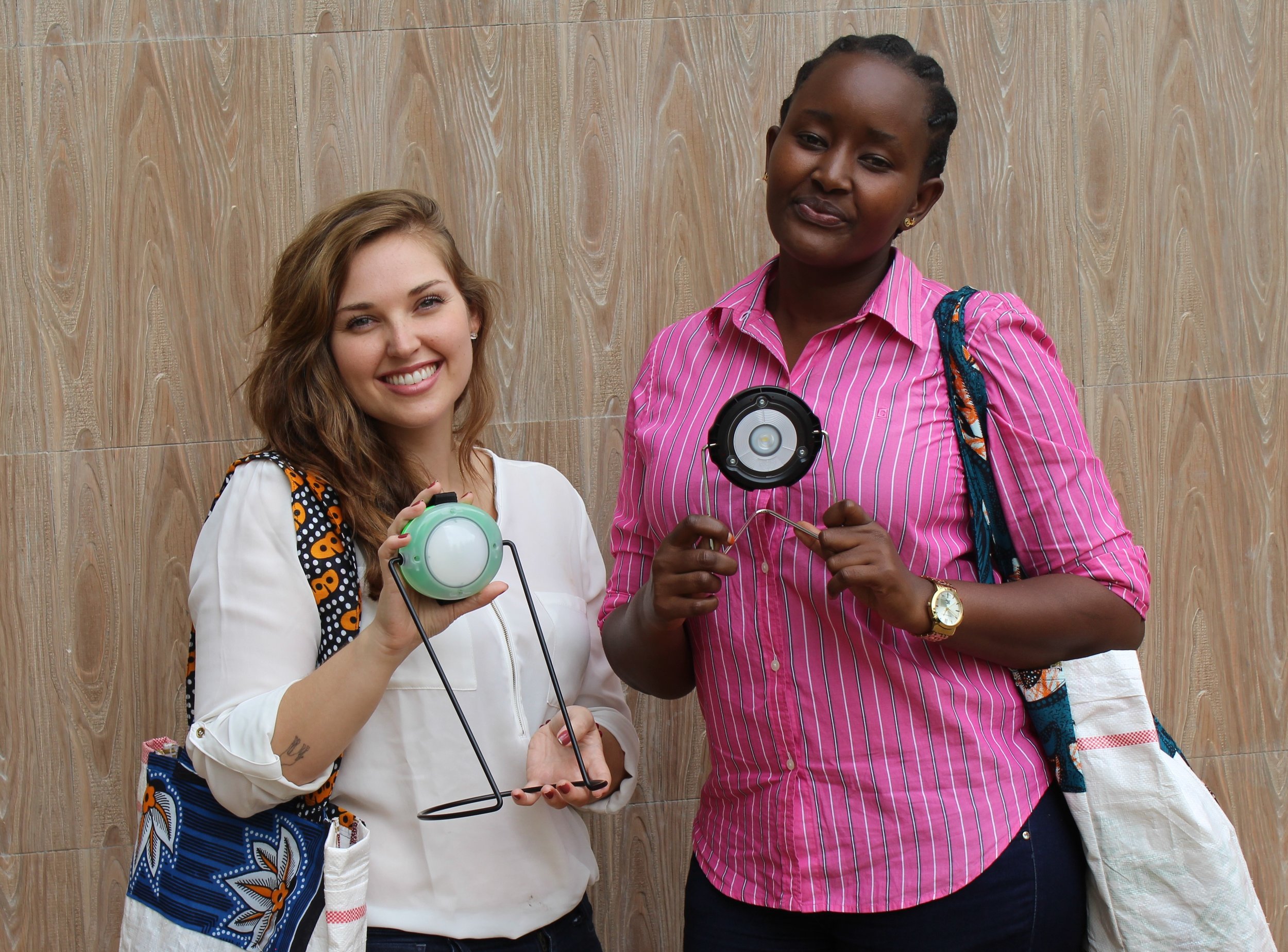
Last Mile is a new social enterprise founded by Liz McNeil and her team at Anza. Over the next three months, the Last Mile pilot will train 25 high-performing sale agents in the
SOLAR LAMP CHALLENGE; TANZANIA
PROVEN INTERVENTION TO BE DISTRIBUTED
Solar lamps and other impact products and services to be distributed through a network of trained and respected local sales agents to improve access.
Learn more about the Solar Lamp Challenge and how these lamps create enormous benefits for developing world families.
DISTRIBUTION MODEL INNOVATION
Last Mile is creating a strong distribution network of sales women which will be responsible for selling the products to various end consumers. They recruit and train sales agents to be both knowledgeable experts in the usage and benefits of the products as well as reliable and trusted resources in their communities. Sales agents are equipped with sales, health, and product knowledge through a comprehensive training program, as well as a basket of sample products and services which are based on proven local needs. Last Mile will begin with a limited number of products available to allow sales agents to develop their skills: AFRIpads, a brand of reusable sanitary pads; Virutubishi, a micro-nutrient powder supplement created specifically based on the average Tanzanian diet; iCHF, a government-matched health and medical insurance, and two solar products from the Greenlight Plant Sun King product line.
A main office in the Moshi Municipal district of the Kilimanjaro region allows for easy access routes to consumers in urban, rural, and peri-urban wards. Training programs are hosted out of the office. Monthly refresher trainings are an opportunity for sales network to restock, learn about new products or sales strategies, and offer an environment for agent-run support meetings.
PILOT AND SCALING GOALS
- Train 25 high-performing sales agents during the pilot
- Distribute over 500 quality, affordable solar lamps and other products during the pilot
- Create over 4,000,000Tsh in local income during the pilot
- Distribute 7,678 products by year 1
- Impact 24,798 people by year 1
FOUNDING TEAM
Liz McNeil - Managing Director
Nina Mairo - Sales Manager and Trainer
SMS Care
Within the world's poorest communities many children with preventable disease go without treatment, even when care is freely available. For some parents, they just don't know help is
PATIENT IDENTIFICATION CHALLENGE; UGANDA

PROVEN INTERVENTION TO BE DISTRIBUTED
An SMS database management tool.
Learn more about the Patient Identification Challenge and why identifying individuals in need of medical treatment and finding ways to make that treatment accessible reduces poverty.
DISTRIBUTION MODEL INNOVATION
A simple SMS database management tool allows SMS Care to identify underserved patients, connect them to their nearest provider, and manager their treatment through to discharge. While the service model will be tested with clubfoot in Uganda, the framework can easily scale to identify other diseases.
Clubfoot is a commonly recognized condition within Uganda but people do not seek treatment due to a lack of knowledge of available care and apprehension of the associated costs. SMS Care tackles this apprehension through a public awareness campaign that directs parents and caregivers of children with clubfoot towards free assistance. By texting a free number, they enter the database and self-identify to a central coordinator. Their phone number then becomes their unique case identifier, allowing the team to track patient progress until discharge. Mobile money is also connected with this number to compensate the caregiver throughout the treatment cycle while care is provided through partnership with CURE Clubfoot, a leading iNGO establishing a network of clinics to deliver free care to treat this condition.
Once an individual enters the system, the central coordinator calls to verify if they need assistance. If so, a trained health care practitioner (HPC) is dispatched for an in-person visit. If the condition is present, the HPC assigns the child to their nearest care clinic and updates their record to indicate progression. The caregiver is informed that mobile money will automatically credit their phone number to cover the cost of travel and time taken off work which is triggered by this progression through the system and the assigned clinic is told to expect a visit within the week.
PILOT AND SCALING GOALS
- Identify 100 patients during the pilot
- Reach 100,000 parents of children between the ages of one and two through a public awareness campaign during the pilot
- Establish a care partnership with CURE Clubfeet for clinic referrals during the pilot
FOUNDING TEAM
Ron Morrison - Manager, human-centered program design
Thomas Disley - Technology design and marketing strategy
Rimay
Rimay is a crowdsourced rating platform for public services in developing countries. It was founded as a way to improve accountability and quality in government-provided services in
TRANSPARENCY CHALLENGE; ECUADOR
PROVEN INTERVENTION TO BE DISTRIBUTED
A crowd-sourced platform that allows people to rate government services.
Learn more about the Transparency Challenge and how citizen reporting platforms can be used to hold government officials accountable and reduce corruption.
DISTRIBUTION MODEL INNOVATION
Rimay is a crowd-sourced review platform that allows citizens to rate public services, report irregularities and provide feedback for improvement. It will target all levels of services provided directly by the government or through partnership with private institutions. In order to create buy-in from citizens and authorities, Rimay would first seek to establish its services for local governments headed by mostly progressive, transparent bureaucracies. The pilot will take place at the municipal level in the city of Quito, Ecuador, initially focusing on assessing the improvement of public transportation services as a result of recent changes in policy. As use of the platform grows, the services available for rating and reporting will increase.
At the end of the second year, Rimay expects to cover all major services availalbe in Quito and have a presence in four more cities in Ecuador. Successful implementation in Ecuador could further scale up the initiative to be replicated in other cities of Latin America and the developing world.
At its launch, Rimay will conduct a public awareness campaign highlighting the shared responsibility among citizens, municipal authorities, and transportation unions in improving the provision of taxi and bus services using banners and promoters at four main bus stations. Rimay seeks to receive an endorsement from the local municipality to have access to their public information channels and leverage this reach to access large numbers of users of the transportation system.
PILOT AND SCALING GOALS
- Technical platform is developed and tested during first three months
- Official approval from Quito municipality received during first three months
- Pilot is implemented in month 4
- 10,000 visits and 1,000 ratings received by month 6 after the pilot
- 50,000 visits and over 5,000 ratings received by year 2
FOUNDING TEAM
Francisco Mejia - Executive Director
Are you ready to be the next great social entrepreneur?