Greenergies
Greenergies will source high-quality, proven, affordable solar lamps from proven importers and distribute them to target rural localities through a network of vendors who are already operating provision stores in these areas.
SOLAR LAMP CHALLENGE; CAMEROON

PROVEN INTERVENTION TO BE DISTRIBUTED
Solar lamps.
Learn more about the Solar Lamp Challenge and how these lamps create enormous benefits for developing world families.
DISTRIBUTION MODEL INNOVATION
A structured supply of solar lamps to rural locations in North West Cameroon is close to nonexistent. Often, vendors purchase poor quality products from urban centers and retail in rural communities at high prices and are unable to sustain distribution due to poor quality, absence of guarantees, and high costs which results in loss of consumer trust in the products. The absence of education on the financial and health benefits of using renewable energies instead of kerosene lamps or candles in rural communities is also a key constraint.
Greenergies will source high-quality, proven, affordable solar lamps from the supplier Total Cameroon and distribute these products to target rural localities through a network of vendors who are already operating provision stores in these areas. The Greenergies team has conducted negotiations with Total Cameroon that will permit Greenergies to purchase in bulk and supply directly to vendors. The lamps will be sold with a guarantee period of between 1 and 2 years. Vendors will provide after sales services and will receive training in basic repairs jointly from Total Cameroon and Greenergies. Vendor shops will be branded as partners of Greenergies using stickers, display boxes, and signposts. Greenergies will also link potential buyers with micro-finance institutions in target areas which will provide microloans to buyers to obtain solar lamps.
PILOT AND SCALING GOALS
- Sell 9,600 solar lamps by the end of year 1
- Work with 40 vendors by the end of year 1
- Sell 27,600 solar lamps by the end of year 2
- Work with 50 vendors by the end of year 2, benefiting 30 rural communities
FOUNDING TEAM
Wise Nzikie Ngasa - Team Leader
Pride Yanu - Field Operations Manager
Rita Yenjong - Partnerships Development Manager
Dwokcan Ikweri Agro Processing Limited
Our model is based on a Village Agent agro-input distribution model having four stakeholders: seed producers/companies, a master distributor (DIAPL), Village Agents, and maize producer households.
QUALITY SEED CHALLENGE; UGANDA

PROVEN INTERVENTION TO BE DISTRIBUTED
High-quality maize and soybean seeds.
Learn more about the Quality Seed Challenge and why an evidence-based model that distributes high-quality seeds could reliably boost the standard of living for smallholder farmers.
DISTRIBUTION MODEL INNOVATION
On average, 31.1% of farmers in Uganda use improved seeds. Inadequate access due to poor distribution networks in rural farming communities, high prices, and inadequate production knowledge are some key reasons limiting adoption and use of improved seed varieties. Local seed dealers are found in town centers and do not provide training on agronomic practices thus, farmers usually do not achieve maximum output. Maximum yields can only be achieved with better agronomic practices including timely planting, correct spacing, maximum plant population, timely weeding, and timely and correct application of fertilizer.
The Dwokcan Ikweri Agro Processing Limited model will improve distribution of improved maize and soybean seed varieties in suitable packages with high quality seeds at affordable prices for smallholder farmers in northern Uganda. Links will be established with national and international seed producers to enable seed acquisition and distribution to farmers. Two distribution sites will be established in the chosen sub counties to ensure ease of access by smallholder farmers in these regions. Trainings will be conducted for the producing farmers to build on their knowledge and skills in maximizing production and productivity. Along with trainings and a radio program to raise awareness, 18 demonstration centers will be established in order to show better farming practices and conduct various trainings, focusing on the use of fertilizer in conjunction with improved seeds.
PILOT AND SCALING GOALS
- Distribute improved seeds to 40 farmers by the end of year 1.
- Distribute 2,400 Kg of seeds to 240 farmers by the end of year 2.
- Distribute maize and soybean seeds to 3,780 households in one district of Uganda within 5 years
- Distribute maize and soybean seeds to 10% (13,951) of the households in three districts within 10 years
FOUNDING TEAM
Bua Samuel - Agronomy Manager
Amolo Herbert - Business Manager
Sol Sisters
SolSisters aims to meet the power needs of those living in informal communities in Namibia by selling and distributing solar products to base of the pyramid customers. We employ a rent-to-own model to increase access to off-grid power solutions among low-income communities.
SOLAR LAMP CHALLENGE; NAMIBIA


PROVEN INTERVENTION TO BE DISTRIBUTED
Solar lamps and other solar products.
Learn more about the Solar Lamp Challenge and how these lamps create enormous benefits for developing world families.
DISTRIBUTION MODEL INNOVATION
Approximately 25% of Namibia's 2 million people live in informal settlements which have almost nonexistent electrification rates. In addition to low electrification rates, Namibia also has a youth (age 18-34) unemployment rate above 39%. Sol Sisters' main objective is to improve livelihood availability by creating markets for solar products.
Initially, Sol Sisters will form a super agent partnership with D.light and Greenlight Planet, enabling them to have lower initial costs and risks while better understanding the Namibian market. Both companies have agreed to provide a 2 year warranty on all products, marketing supporting, training support, and access to their full line of solar products. Sol Sisters will recruit and manager their own team of sales agents but the company distributors will assume all risk with the supply chain and inventory management.
After successfully meeting sales targets for each month, they will negotiate a different partnership with distributors. Sol Sisters will target families and shopkeepers as customers for solar home kits. The D30 home system is an ideal solution for families spending much of their income on candles, wood, paraffin, kerosene, batteries, and phone charging kiosks as, within a year, families will realize a cost savings. Financing plans allow them to rent-to-own and remain within their disposable income range each week. The brightness of the kits will allow shop owners to attract more customers and work longer hours. Sol Sisters recognizes that the key to their success will like in community partnerships to reach sales agents and to expand their distribution networks.
PILOT AND SCALING GOALS
Sell 500 solar lamps within the three month pilot
Impact 2,500 individuals within the three month pilot
Sell 1,750 solar products by the end of year 1, impacting 15,000 individuals
Sell 7,000 solar products by the end of year 2, impacting 35,000 individuals
FOUNDING TEAM
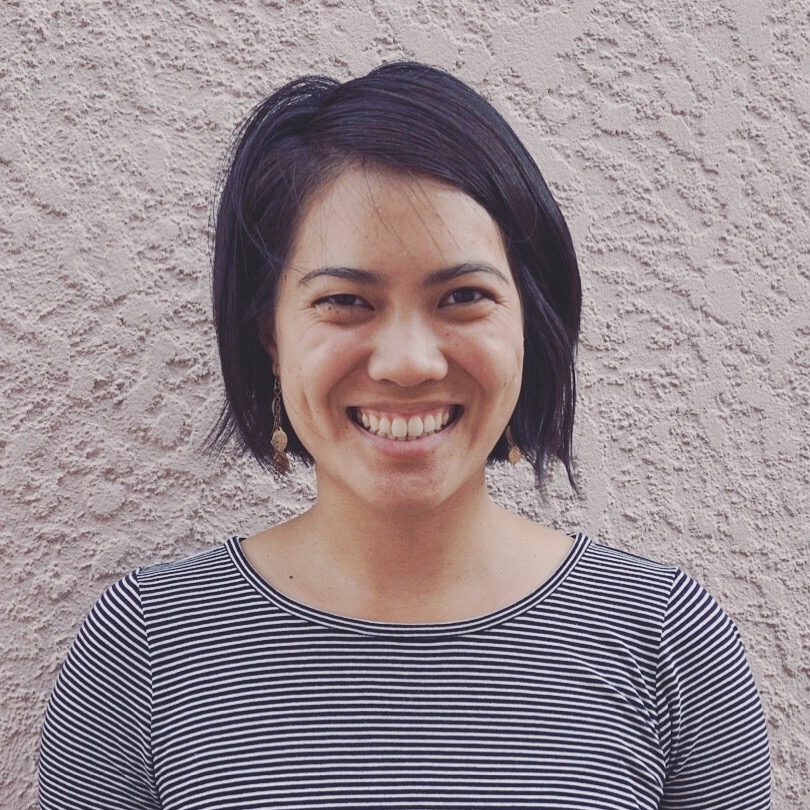
Lily Nhoisaykham - Co-Founder, Training and Development
Stephanie Shih - Co-Founder, Community Partnerships
Cybil Zhang - Co-Founder, Customer Insights
Nena Foundation
NENA foundation's mission is to identify women suffering from obstetric Fistula and connect them to hospitals offering free treatment and corrective surgeries.
PATIENT IDENTIFICATION CHALLENGE; KENYA

PROVEN INTERVENTION TO BE DISTRIBUTED
Using radio and SMS to identify obstetric fistula and transport patients to hospitals offering free services.
Learn more about the Patient Identification Challenge and why identifying individuals in need of medical treatment and finding ways to make that treatment accessible reduces poverty.
DISTRIBUTION MODEL INNOVATION
In Kenya, it is estimated that obstetric fistula (OF) occurrence stands at 3 to 4 women for every 1,000 deliveries. Most available literature states that each year, an estimated 3,000 new cases of OF are reported in Kenya with only 7.5% of these women able to access medical care for the condition. These statistics are problematic as they are mostly hospital based and not fully indicative of the magnitude of the problem. With a majority of births in Kenya taking place at home, there is less data for OF outside hospitals and in the rural areas where the problem is most rife.
The operational model consists of four major phases: awareness raising of the intervention via radio broadcasts and bulk SMS and identification of OF patients within Kericho County; connecting with beneficiaries in need of treatment and transporting them to a healthcare facility providing free treatment; treatment, rehabilitation and counseling of the women; and monitoring and evaluation of the pilot intervention to ensure achievement of objectives and responsiveness to ensure ristsks are addressed
The preferred method through which potential beneficiaries will contact Nena Foundation will be through sending an SMS to a number that would have been shared via radio and bulk SMS outreach. Once a person is identified via SMS or call, Nena Foundation will schedule a time to call the woman with OF to ascertain the exact extent of the condition. The Patient Transport Service represents a significant part of operations and will involve the transportation of patients to the healthcare facility offering free treatment: the Gynocare Fistula Women's Hospital in Eldoret. The woman will be contacted after the screening and informed of when her appointment is with sufficient time to communicate if the appointment date fits their schedule.
PILOT AND SCALING GOALS
120 people reached by the end of the pilot phase
1,000 people reached by the end of year 1
2,500 people reached by the end of year 2
FOUNDING TEAM
Faith Sigei - Co-Founder, Medical Manager
Godwin Bett - Co-Founder, Operations and Finance Manager
Shalom Ndiku - Co-Founder
SEMA
SEMA - a Swahili word meaning “speak! what’s up,” is an SMS chatbot that facilitates citizen feedback about public institutions and public service delivery. Through SEMA citizens engage in an instant, direct, and interactive text conversation with an institution shortly following their encounter with an office.
TRANSPARENCY CHALLENGE; UGANDA

PROVEN INTERVENTION TO BE DISTRIBUTED
An SMS chatbot that facilitates citizen feedback about public institutions and public service delivery.
Learn more about the Transparency Challenge and how citizen reporting platforms can be used to hold government officials accountable and reduce corruption.
DISTRIBUTION MODEL INNOVATION
SEMA is a data-driven non-profit enterprise committed to improving service delivery across Uganda's public sector. Our real-time feedback systems empower diverse institutions, including police stations, health centers, and municipalities, to gather actionable insights directly from citizens. Committed to transparency, we rigorously analyze this data to drive evidence-based decision-making and continuous improvement.
PILOT AND SCALING GOALS
User feedback experiments run with 2 public institutions during the pilot phase
SMEA app is created and tested with 15-20 individuals during the pilot phase
SEMA will be launched with 5 public institutions at the end of the pilot with 1,000 public feedback submissions gathered
10,000 public submissions made at the end of 6 months
Receive 100,000 submissions by the end of year 1
Expand to two other cities in Uganda by the end of year 1
Expand to 40 public institutions receiving feedback by the end of year 2
FOUNDING TEAM
Nathalie Dijkman - Chief Executive Officer
Connor Sattely - Chief Technical Officer
Timothy Kakuru - Community Manager
Green Impact Technologies (GI-Tech)
Green Impact Technologies will distribute Pico Solar Lights through Green Wing Finance Capital customers in communities located in the last mile in Malawi.
SOLAR LAMP CHALLENGE; MALAWI

PROVEN INTERVENTION TO BE DISTRIBUTED
Solar lamps.
Learn more about the Solar Lamp Challenge and how these lamps create enormous benefits for developing world families.
DISTRIBUTION MODEL INNOVATION
Malawi is the least electrified country in the Southern Africa Developing Community with less than 10% of the population having access to electricity in 2016. Only 4% of rural households have access to electricity. In the district of Usingini, most shops and homes use flashlights, kerosene, and candles for lighting while some walk approximately 18km to charge their phones.
Green Impact Technologies orders solar products from Solar Aid. This enterprise has a memorandum of understanding with Green Wing Capital which sells Solar Aid products to 25,000 customers. Customers pay 70% of the cost of the solar product upfront to Green Wing but are required to pay the remaining 30% the following month. GI-Tech delivers the solar product stock to Green Wing and pays for the remaining 30%, utilizing this distribution channel to reach last mile communities and build longer term relationships with sales agents in the area.
PILOT AND SCALING GOALS
- Reach 1,500 households within the pilot phase
- Establish 10 businesses by the end of year 1
- Reach 7,500 people by the end of year 1
FOUNDING TEAM
Admore Chiumia - Managing Director
SABCO Solutions
SABCO Solutions is an enterprise dedicated to bringing the quality solar solutions to the customers in off-grid geographies by developing last mile connectivity channels.
SOLAR LAMP CHALLENGE; PAKISTAN

PROVEN INTERVENTION TO BE DISTRIBUTED
Solar lamps.
Learn more about the Solar Lamp Challenge and how these lamps create enormous benefits for developing world families.
DISTRIBUTION MODEL INNOVATION
In Pakistan, more than 11 million households (approximately 40% of the population) are off-grid. Estimates suggest that 2.3 billion USD is spent annually on lighting through conventional means like kerosene and candles. SABCO Solutions was founded with an intent to bring cost effective solar energy products and solutions to communities through multiple channels and create a last mile distribution mechanism to reach customers and make sustainable impact.
SABCO Solutions recognizes the specific challenges impeding wide-spread solar lamp adoption in Pakistan: an influx of low quality products which decreases trust in all available products, a reluctance to pay higher prices for solar lamps based on this lack of trust, a general lack of awareness of the positive impacts of solar technology, and a lack of data outlining the consumer market in off-grid, rural areas. SABCO Solutions will undertake extensive market mapping and segment products to sell through various channels (low cost lanterns through retail markets, more expensive lanterns with mobile charging through local organizations, and solar home solutions through micro-finance banks).
Their strategy for commercial distribution is a hub and spoke model where local distributors will be responsible for local market development. Distributors will be provided with marketing support and will provide after sale assistance to customers. SABCO Solutions will develop the framework for a PAYGO system to make the products accessible to customers.
PILOT AND SCALING GOALS
Sell 144 units by the end of the pilot phase
Work with 6 active outlets by the end of the pilot phase
Sell 3,500 solar units by the end of year 1
Work with 62 active outlets by the end of year 1
POST-PILOT UPDATE (October 2020)
SABCO Solutions has now distributed 6,000 solar lamps, reaching approximately 30,000 people.
We are now a renewable energy service provider operating on the entire spectrum, with portable solar products for the communities (living completely off the grid) to the domestic/commercial solar solutions (for household and industries) that not only helps them to be self reliant in the energy access but also help them save on energy expenses.
FOUNDING TEAM
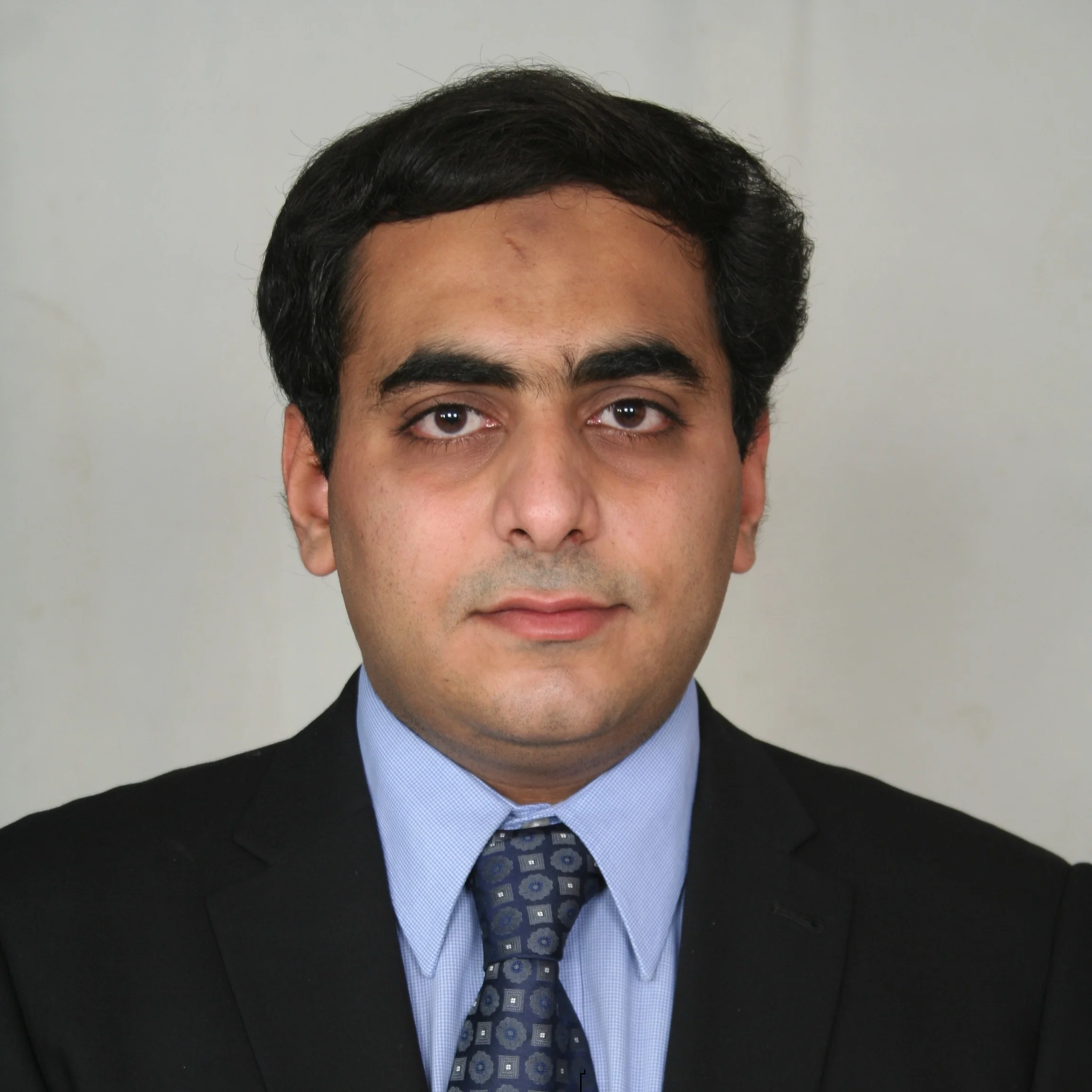
Fareed Shahid - Founder
Bakulu Power
Bakulu Power seeks to distribute improved cook stoves and more affordable clean
fuels on islands on Lake Victoria.
COOK STOVE CHALLENGE; UGANDA

PROVEN INTERVENTION TO BE DISTRIBUTED
Efficient cook stoves.
Learn more about the Cook Stove Challenge and how clean cook stoves reduce health and safety risks, lower fuel expenses, and help reduce poverty.
DISTRIBUTION MODEL INNOVATION
The islands of Lubya, Namiti, and Kirewe in the Buvuma district of Lake Victoria are home to 8,300 people. Many of these families use charcoal for cooking, with only a few still using firewood. The islands, which were once naturally forested, now have no trees; all cooking fuel is transported in from the mainland by boat. Prices are increasing due to shortages of fuel on the mainland.
The pilot distribution of efficient cook stoves will take place on these three islands before the business is scaled to include 16 other islands which lie within a 50km radius. Two types of stoves will be distributed: the mini moto stove, a forced air gasifier stove targeted to businesses, and the Awamu Top Lit Updraft (TLUD) gasifier stove, targeted to households. The customer will have several payment options. One option being to pay a 50% down payment for the stove as well as sign an agreement to buy a minimum of 35kg of bio pellets produced by Bakulu Power per month. The balance of the stove cost would be paid over a period of four months from the fuel savings achieved from using the stove.
Bakulu Power will also set up a small biomass pellet plant which will create pellets as fuel for the cook stoves out of maize stovers and sugar cane bagasse from sugar processing factories. Pellets will be sold to vendors who will then sell them at the retail price. Part of the profit margin from the biomass pellets will be reinvested to procure more stoves.
PILOT AND SCALING GOALS
- Purchase of pellet mill, purchase and delivery of stoves, purchase of land before the pilot
- Sign MOUs with women's groups for 3 vendors on each island during pilot phase
- Sell 180 tons of pellets in 6 months
- Sell 1,348 stoves by the end of 6 months
- Sell 20,000 stoves by the end of year 2
FOUNDING TEAM
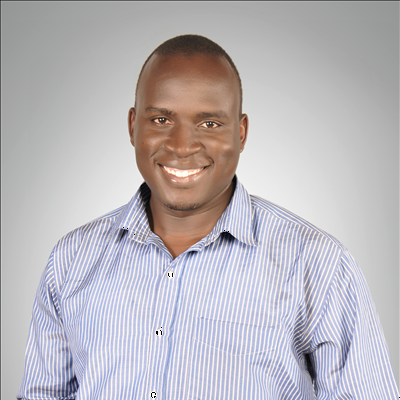
Lucia Bakulumpagi-Wamala - Chief Executive Officer and Co-founder
Richard Sseruwagi - Chief Technical Officer and Co-founder
Moses Angeny - Technical Officer and Co-founder
Every Child Matters
Every Child Matters aims to address the widespread prevalence of clubfoot, a debilitating physical deformity that leaves 1.19/1000 newborns in Uganda with inverted feet, and which, if left untreated, causes significant disability.
PATIENT IDENTIFICATION CHALLENGE; UGANDA


PROVEN INTERVENTION TO BE DISTRIBUTED
The Ponseti method is a painless, fast, cost-effective, and reliable method for correcting clubfoot without surgery.
Learn more about the Patient Identification Challenge and why identifying individuals in need of medical treatment and finding ways to make that treatment accessible reduces poverty.
DISTRIBUTION MODEL INNOVATION
Clubfoot is a debilitating physical deformity that leaves 1.19 out of 1,000 newborns in Uganda with inverted feet, which, if left untreated, causes significant disability. Clubfoot remains a challenge in Uganda because of lack of information about the condition, failure to detect the deformity at birth or early infancy, and limited capacity within the health system to provide correct and affordable treatment.
Every Child Matters has devised a three-pronged approach:
- Raise awareness about clubfoot in rural communities
- Train health workers to identify clubfoot and make proper referrals for treatment
- Train orthopedic doctors in the Ponseti method
PILOT AND SCALING GOALS
- Identify 225 patients with clubfoot, refer them for treatment, conduct follow-up
- Train 20 village health teams and 20 traditional birth attendants from 10 villages to ID patients
- Write 3 proposals for follow-on funding
FOUNDING TEAM
Daisy Nakasi
Mathias Mulumba
Lillian Nakisozi
Emily Ausubel
Mobilized Construction
Mobilized Construction has developed a smart IoT device to measure and assess road conditions in real-time. Utilizing geospatial data from accelerometers, we calculate International Roughness Index...
CUSTOM CHALLENGE; KENYA

PROVEN INTERVENTION TO BE DISTRIBUTED
A proprietary software platform that enables coordinated, micro-contracted local labor to rehabilitate dirt roads.
Learn more about the Custom Challenge and why we only fund ideas that focus on distributing proven poverty interventions.
DISTRIBUTION MODEL INNOVATION
Infrastructure, like roads, have been identified as the largest enabler of economic development. Transportation accounts for 50% of the cost of a product in rural areas. Mobilized Construction has developed a proprietary software to complement existing road repair processes to build ease of use for local project planners. Data-collectors and civil engineers currently document road conditions by hand or use expensive vehicles equipped with sensors.
The second part of Mobilized Construction's platform is the Desktop Road Assessment Management tool for transportation planners and program managers to prioritize and assign repair work to manual laborers. Currently managers decide on road repair priorities based on intuition, community requests, or public pressure. This tool will equip individuals with data to make more equitable and inclusive decisions. The system will formalize informal and unskilled labor as well as create jobs for women and youth.
The third part of the platform is the Field Supervisor mobile application for supervisors and field laborers to receive micro road repair contracts. After tracking daily progress and completing repairs, data collectors certified complete by measuring road conditions again and wages to laborers are transferred via mobile payments like M-Pesa.
PILOT AND SCALING GOALS
At the 6 month mark, 30-50 kilometers of road will be repaired
30,000 lives will be impacted by the end of 6 months
100-150 kilometers of road will be repaired by the end of year 1
250,000 lives will be impacted by the end of year 1
FOUNDING TEAM
Kevin Lee - CEO
Gregory Islas - Data Scientist
Jens Egholm - CTO
Unnoti
Unnoti was founded by Md Intisher Rahman, Maheen Absar Neha, Shah Md Nasir Rahat and Tanjima Hoque. This new social venture will promote cost saving and modern environment friendly cook stoves to replace the traditional cook stoves...
COOK STOVE CHALLENGE; BANGLADESH

PROVEN INTERVENTION TO BE DISTRIBUTED
Efficient, clean-burning cook stoves.
Learn more about the Cook Stove Challenge and how clean cook stoves reduce health and safety risks, lower fuel expenses, and help reduce poverty.
DISTRIBUTION MODEL INNOVATION
In rural and slum areas, families in Bangladesh confront large amounts of indoor air pollution caused by choice of cooking fuel, cooking location, construction material, and poor ventilation. Exposure to such indoor air pollution leads to harmful diseases like tuberculosis, asthma, and other respiratory diseases and disproportionately affect women and children. In Bangladesh, more than 90% of the total population uses biomass fuel for cooking and other heating purposes. The health burden of indoor air pollution exposure in the country is one of the largest in the world.
Unnoti will work with a local manufacturer of efficient cook stoves and sell these within the rural district of Comilla at an affordable price (about half the price of similar cook stoves on the market). The team will conduct surveys and awareness raising activities within the community.
PILOT AND SCALING GOALS
- Reach 300 households in 5 villages during the pilot
- Distribute 250 stoves during the pilot
- Benefit 500 people during the pilot
- Reach 35 households across 12 villages by the end of year 1
- Distribute 1,000 cook stoves by the end of year 1
- Benefit 3,000 people by the end of year 2
FOUNDING TEAM
Tanjima Hoque - Managing Director
Shah Md. Nasir Rahat - Marketing Director
Md. Intisher Rahman - Human Resources Director
Maheen Absar Neha - Exeutive Director
EnEff
EnEff (Energy Efficiency) was founded by Kaushal Kothari, Kartavya Bhola, Neeraj Bhagwatula and Kavya Sravanthi. This new social venture aims to ensure easy access to solar lamps to families in the state of Rajasthan, India...
SOLAR LAMP CHALLENGE; INDIA


PROVEN INTERVENTION TO BE DISTRIBUTED
Three solar products including solar lamps and solar lanterns.
Learn more about the Solar Lamp Challenge and how these lamps create enormous benefits for developing world families.
DISTRIBUTION MODEL INNOVATION
In the absence of electricity, homes frequently turn to kerosene-based light sources for illuminating their homes. The largest use of subsidized kerosene in the world is in India with around 380 million in 2011 using kerosene as a primary lighting source.
EnEff (Energy Efficiency) will improve access to solar lamps to families in Rajasthan, India through a unique distribution network, a consumer-oriented finance scheme, and a focus on large-scale skill development of individuals living in rural areas with a unique referral scheme.
EnEff will first hold meetings with local farmers, women's groups, local leaders, and small business owners to better understand energy and product needs in target communities. Distribution of solar lamps will be initiated through gram panchayats (locally elected governing bodies) which are active and respected by the local population in order to build public trust in the product and its benefits. The Solar products will also be distributed through NGOs and Village Local Entrepreneurs to end consumers. Distribution channels will include a referral scheme in which every successful referral will earn the referee cash back on the initial value of their purchase amount. To benefit from this scheme, a customer will have a short compulsory briefing from the EnEff team in servicing and sales, indirectly creating a skilled workforce and a trained sales team at minimal cost to the company. Distribution will be coupled with a broad marketing and awareness raising campaign.
PILOT AND SCALING GOALS
Reach 2600 beneficiaries by the end of the three month pilot
Sell 650 solar lamps by the end of the pilot phase
Sell 8,000 solar lamps by the end of year 1
Benefit 30,000 people by the end of year 1
FOUNDING TEAM
Kaushal Kothari - Program Implementation
Kartavya Bhola - Strategist
Neeraj Bhagwatula - Sales, Distribution and Human Resources Manager
Kavya Sravanthi - Publicity, Marketing, and Community Engagement Manager
African 1000 Days Action
The African 1000 Days Actions (ADA) is a start-up non-government organization that brings affordable quality maternal healthcare to poor women. Through its South Sudanese Project,
MATERNAL HEALTH CHALLENGE; SOUTH SUDAN


PROVEN INTERVENTION TO BE DISTRIBUTED
Misoprostol, a $3 drug that could prevent 100,000 maternal deaths from postpartum hemorrhaging.
Learn more about the Maternal Health Challenge and how the distribution of Misoprostol, a $3 drug that can prevent maternal deaths from postpartum hemorrhage, could save thousands of lives.
DISTRIBUTION MODEL INNOVATION
African 1000 Days Action brings affordable, quality maternal healthcare to poor women with limited access to primary healthcare services. The organization trains facility-based healthcare providers and traditional birth attendants to administer Misoprostol as a postpartum hemorrhage prevention method. The organization will ensure an effective supply chain in the Upper Nile State region of South Sudan to allow the drug to be available at an affordable price and will establish a modern pharmacy to distribute Misoprostol. To begin, African 1000 Days Action will obtain a written official approval from the South Sudanese Ministry of Health for the implementation of the project. The team notes that this is a crucial step in a post-conflict country where many regions are still militarized and the local project staff may need to frequently demonstrate that the project is approved by authorities. Then African 1000 Days Action will conduct meetings with important stakeholders including the Chinese Petroleum Extraction Company airline which is the only transportation available to reach their pilot location from Juba, South Sudan's capital city.
The organization will focus on identifying and training traditional birth attendants. In South Sudan, around 80% of mothers deliver at home assisted by traditional birth attendants. While public healthcare institutions suffer from a lack of equipment and human resources, private pharmacists, drug shop owners, and private clinical officers have built expansive networks within the community and are playing a vital role in providing health services to remote communities. Private healthcare providers and traditional birth attendants will be chosen from this group to train on the correct use of misoprostol.
PILOT AND SCALING GOALS
- Train 500 healthcare providers and 1,000 Traditional Birth Attendants (TBAs) to administer misoprostol during the pilot
- Grow to 5,000 healthcare providers and over 10,000 TBA trainees by the end of 2019
- Ensure misoprostol supply chain to mothers during childbirth in rural areas
FOUNDING TEAM
Jean Luc Ugirashebuja - Executive Director
Pollicy
Pollicy, founded by Neema Iyer, believes in the power of data to revolutionize how governments deliver services to their citizens. The venture will use multiple accessible digital
TRANSPARENCY CHALLENGE; UGANDA
PROVEN INTERVENTION TO BE DISTRIBUTED
Data gathering platform to improve the provision of waste management services.
Learn more about the Transparency Challenge and how citizen reporting platforms can be used to hold government officials accountable and reduce corruption.
DISTRIBUTION MODEL INNOVATION
Pollicy believes in the power of data to revolutionize how governments deliver services to their citizens. The venture will use multiple accessible digital tools to create demand generation and feedback mechanisms between citizens and districts to improve the provision of waste management services. An open dashboard will present the visualized data to the district government for rapid decision-making, budgeting, planning and resource allocation
PILOT AND SCALING GOALS
10,000 citizens reached during the pilot phase
3 digital channels created during the pilot phase
FOUNDING TEAM
Neema Iyer - Founder
Safe Delivery, Safe Mother
Safe Delivery, Safe Mother was founded by Mehreen Shahid, Annemarie Collins and Tinotenda Muchena. This new social venture aims to reduce material mortality in Pakistan by training
MATERNAL HEALTH CHALLENGE; PAKISTAN
PROVEN INTERVENTION TO BE DISTRIBUTED
Misoprostol.
Learn more about the Maternal Health Challenge and how the distribution of Misoprostol, a $3 drug that can prevent maternal deaths from postpartum hemorrhage, could save thousands of lives.
DISTRIBUTION MODEL INNOVATION
Safe Delivery, Safe Mother is a new social venture aiming to reduce maternal mortality in Pakistan. The team will train community midwives to prevent postpartum hemorrhage through administering a safe and cost-effective drug, Misoprostol. The three month pilot aims to train 100 CMWs within rural villages to effectively administer misoprostol, measure blood loss, and to change the communities’ perception by addressing socio-economic constraints. In the long-term, they aim to scale nationally by reaching high poverty rural areas with the highest maternal mortality rates, and play a critical role in reducing postpartum hemorrhage in Pakistan.
PILOT AND SCALING GOALS
100 Traditional Birth Attendants trained during the pilot phase
3,500 births impacted during the pilot phase
FOUNDING TEAM
Mehreen Shahid - Founder
Annemarie Collins - Founder
Tinotenda Muchena - Founder
Mozambique School Lunch Initiative
The Mozambique School Lunch Initiative is a non-profit organization that delivers nutritious school lunches to children in rural primary schools in Mozambique, reducing childhood
CUSTOM CHALLENGE; MOZAMBIQUE
PROVEN INTERVENTION TO BE DISTRIBUTED
Vitamin fortified lunches.
Learn more about the Custom Challenge and why we only fund ideas that focus on distributing proven poverty interventions.
DISTRIBUTION MODEL INNOVATION
The Mozambique School Lunch Initiative is a non-profit organization that delivers nutritious school lunches to children in rural primary schools in Mozambique, reducing childhood malnutrition and increasing school participation.
By fortifying the school lunches with iron and vitamin A, and including annual deworming, we ensure that children are able to make the most of the school meals and thereby increase the impact of every dollar spent. Furthermore, by procuring food products from the local community, our school lunch program also stimulates local agricultural investment and production. In these ways, the Mozambique School Lunch Initiative promotes increased human capital accumulation and local agricultural market integration.
PILOT AND SCALING GOALS
600 children dewormed during the pilot phase
8 schools reached during the pilot phase
FOUNDING TEAM
Cara Myers - Founder
ThinkZone
While 97% of Indian children enrol in schools, over 40% dropout before by age 12. The high dropout rates and poor learning outcomes eventually contribute to a huge deficit in the
FLIPPED CLASSROOM CHALLENGE


PROVEN INTERVENTION TO BE DISTRIBUTED
‘School-in-a-box’.
Learn more about the Flipped Classroom Challenge and why new education models, like flipping the classroom or deskilling a class curriculum, offer a solution to the vast teacher shortages in the developing world.
DISTRIBUTION MODEL INNOVATION
ThinkZone empowers parents and educators to develop foundational skills of children by leveraging accessible tech solutions and community-led interventions. We enable community educators, childcare workers, and school teachers to deliver quality early-grade education programs via data-driven mobile and voice/SMS based technology, low-cost learning resources, and class management tools.
PILOT AND SCALING GOALS
15 women entrepreneurs onboarded during the pilot phase
450 students enrolled during the pilot phase
FOUNDING TEAM
Binayak Acharya - Founder
Soch
Soch, founded by Syed Anzar Ahmad, is a social venture committed to improving education in low- income communities in Pakistan.
FLIPPED CLASSROOM CHALLENGE; PAKISTAN

PROVEN INTERVENTION TO BE DISTRIBUTED
De-skilled educational curriculum.
Learn more about the Flipped Classroom Challenge and why new education models, like flipping the classroom or deskilling a class curriculum, offer a solution to the vast teacher shortages in the developing world.
DISTRIBUTION MODEL INNOVATION
Soch works with Edtech companies and educational content producers to power flipped classrooms with continuous assessments which enable Teaching at the right level (TaRL) to help improve literacy and education quality in resource-limited classrooms.
Soch designs, implements and supervises these programs, which are then independently managed by instructors and schools.
PILOT AND SCALING GOALS
250 students reached during the pilot phase
12,000 students reached by the end of year 2
FOUNDING TEAM
Syed Anzar Ahmad - Founder
Qantab Light Cube
Qantab Light Cube is a renewable energy company based in Nigeria with focus on the deployment of stand–alone portable and rooftop solar units to rural and urban homes, and
SOLAR LAMP CHALLENGE; NIGERIA
PROVEN INTERVENTION TO BE DISTRIBUTED
Solar units and grid systems.
Learn more about the Solar Lamp Challenge and how these lamps create enormous benefits for developing world families.
DISTRIBUTION MODEL INNOVATION
Qantab Light Cube is a renewable energy company based in Nigeria with focus on the deployment of stand–alone portable and rooftop solar units to rural and urban homes, and solar PV micro grids systems to rural communities. The company’s primary objective is to join a growing ensemble of solution providers who proactively engage vision, expertise and action in becoming an indispensable energy provider. The team will also provide before and after sales service to customers as well information regarding their electricity consumption.
PILOT AND SCALING GOALS
600 solar lamps distributed during the pilot phase
2 states in Northern Nigeria reached during the pilot
FOUNDING TEAM
Samuel Olufemi Sofela - Founder
Energy One Africa
Energy One Africa was founded by Mathy Mpassy Isinki with the goal of giving energy access to underserved low income consumers via pay-as-you-go. Energy One Africa's subscribers
SOLAR LAMP CHALLENGE; DEMOCRATIC REPUBLIC OF CONGO
PROVEN INTERVENTION TO BE DISTRIBUTED
Solar lamps.
Learn more about the Solar Lamp Challenge and how these lamps create enormous benefits for developing world families.
DISTRIBUTION MODEL INNOVATION
Energy One Africa operates in the Democratic Republic of the Congo (DRC) where only 9% of the population has access to electricity, leaving more than 70 million people without access.
Energy One Africa is building the energy solution that hard to reach markets needs, providing reliable and affordable solar power products, as well as specialized training for local community electrification leaders. The approach consists of enabling community-led electrification by providing solar power training sessions on installation and sales before developing local distribution projects with local people.
PILOT AND SCALING GOALS
1,500 solar lamps distributed during the pilot phase
8,250 direct beneficiaries reached during the pilot phase
33,000 subscribers reached by the end of year 2
PERFORMANCE UPDATE (JANUARY 2020)
Energy One Africa has already trained 300+ people within 2 provinces of the Democratic republic of Congo, providing the workforce to serve 5,000 last mile customers and impacting 27,500 lives. Our plan for the next five years is to train 500 community electrification leaders and provide power to 100,000 last mile households.
FOUNDING TEAM
Mathy Mpassy Isinki - Founder
Are you ready to be the next great social entrepreneur?