Access to Education
Access to Education (A2e) is an online educational platform that ensures remote areas students access to quality instructive videos and live classes,
FLIPPED CLASSROOM CHALLENGE

PROVEN INTERVENTION TO BE DISTRIBUTED
Flipped classroom.
Learn more about the Flipped Classroom Challenge and why new education models, like flipping the classroom or deskilling a class curriculum, offer a solution to the vast teacher shortages in the developing world.
DISTRIBUTION MODEL INNOVATION
Access to Education (A2e) is an online educational platform that ensures remote areas students access to quality instructive videos and live classes, complementary to their academic curriculum that is facilitated by trained instructors through a multimedia classroom set up in each partner school. It is working to create a bridge between privileged and deprived students where former one will be able to share their learning experience with later one and synergize the power of education to break all barriers.
FOUNDING TEAM
Ayesha Meem - Co-Founder
Mostofa Sadab - Co-Founder
Samiha Nusrat - Co-Founder
Pardafas!
Pardafas was founded in 2015 to fight corruption in Nepal. Pardafas is an evidence-based accountability tool that aims to fuel the national fight against corruption enabling active
TRANSPARENCY CHALLENGE; NEPAL

PROVEN INTERVENTION TO BE DISTRIBUTED
Online accountability tool that aims to fuel the national fight against corruption.
Learn more about the Transparency Challenge and how citizen reporting platforms can be used to hold government officials accountable and reduce corruption.
DISTRIBUTION MODEL INNOVATION
Pardafas will be the counry's biggest effort to-date to map out corruption in order to create and distribute easy-to-use and people friendly, data-driven narrative to wage anti-corruption campaigns. By going back through the archives of Nepal's top national daily newspapers, we will collect and code the data on federal-level corruption.
In three months, the team will produce a preliminary data on corruption levels in federal institutions and hope to use the data to reach out to at least 70,000 Nepalis. Within a year, they hope to mobilize at least 500,000 Nepalis to further enhance the data. Together with activists and anti-corruption organizations, Pardafas will use the data to unite people in fighting against rampant corruption at the federal level. The team will measure their success by the number of corruption cases filed in court from the campaign and the number of cases won in court.
PILOT AND SCALING GOALS
- Reach 70,000 people during the pilot
- Reach 500,000 people by the end of year 1
FOUNDING TEAM
Subhash Ghimire - Founder, Director
Kritikal Lamsal - Head of Research and Public Mobilizer Team
Prem Lamichhane - Head of Technical Team
Angel Sharma - Head of Administrative Team
Alina Ghimire - Memnber of Research Team
Peach Health Technologies
Peach Technologies is on a mission to accelerate the use software to predict, detect and treat diseases. Our first product is an electronic health records system designed to provide
MATERNAL HEALTH CHALLENGE; GHANA

PROVEN INTERVENTION TO BE DISTRIBUTED
Misoprostol tablets.
Learn more about the Maternal Health Challenge and how the distribution of Misoprostol, a $3 drug that can prevent maternal deaths from postpartum hemorrhage, could save thousands of lives.
DISTRIBUTION MODEL INNOVATION
In Ghana, the maternal mortality rate stands at 322 deaths for every 100,000 live births. Excessive bleeding after childbirth, known as postpartum hemorrhage, accounts for 25 percent of deaths. Excessive bleeding can be controlled if birth attendants are given the right training and access to medications like misoprostol.
Peach Health Technologies has developed a step-by-step solution to address the problem. First, they will create an electronic version of a misoprostol administering training guide on a mobile application called Peach. Peach is a mobile electronic medical records system with meaningful use designed specifically for developing countries. Community Health Officers (CHOs) in Ghana use Peach to collect patient information and follow-up with expectant mothers. CHOs who work with Traditional Birth Attendants (TBAs) will watch the training video to learn how to properly administer misoprostol. After CHOs have gone through their virtual training, they will each train a minimum of 5 TBAs in their district using the virtual program on their phones. CHOs will supply the TBAs with misoprostil and monitor its use. By using mobile phones, they will significantly reduce the cost of training and easily scale to reach every CHO with a phone.
PILOT AND SCALING GOALS
- Train 70 CHOs during the pilot
- Train 350 TBAs during the pilot
- Make 1,500 misoprostol tablets available during the pilot
- Serve 300 expectant mothers during the pilot
FOUNDING TEAM
Cobby Amoah - Co-Founder and CEO
Kwame Akpalu - Software Developer
Humphrey Kanyoke - Business Development Manager
Caleb Oppong Wiafe - Pharmacist
Charles Kunene - Co-Founder and Product Designer
Empower Generation
Pollinate is a social enterprise that creates clean energy distribution networks consisting of women-led businesses that reach the last mile
SOLAR LAMP CHALLENGE: NEPAL, MYANMAR


PROVEN INTERVENTION TO BE DISTRIBUTED
Solar Lamps.
Learn more about the Solar Lamp Challenge and how these lamps create enormous benefits for developing world families.
DISTRIBUTION MODEL INNOVATION
Empower Generation is a social enterprise that creates clean energy distribution networks consisting of women-led businesses that reach last-mile populations. Empower Generation provides women with the training, start-up inventory, mentoring, and long-term support they need to run a successful clean energy business.
Using an innovative, market-based and capacity-building approach, they build a network that sustainably distributes clean energy and brings economic opportunities to isolated and underserved communities. The key innovation is mentoring rural women to become solar CEOs and own their own businesses. Empower Generation’s CEO network improves health and increases education for their children, creates local jobs for rural and peri-urban communities, and contributes to a shifting role of women in society.
PILOT AND SCALING GOALS
- Distribute 300 solar systems during the pilot
- Install 15 solar home systems during the pilot
- Reach 2,560 individuals by the end of 6 months
- Recruit 20 sales agents by the end of the pilot
- Recruit 50 sales agents by the end of year 1
- Distribute 1,500 solar lamps by the end of year 1
FOUNDING TEAM
Anya Cherneff - Co-Founder and Executive Director
Chloe Chapman - Director of Operations
Sita Adhikari - Country Director
Please Disturb the Driver!
Please Disturb the Driver! was founded by Miguel Torhton, Mexican citizen and Master in Public Policy graduate from The George Washington University.
TRANSPARENCY CHALLENGE; MEXICO
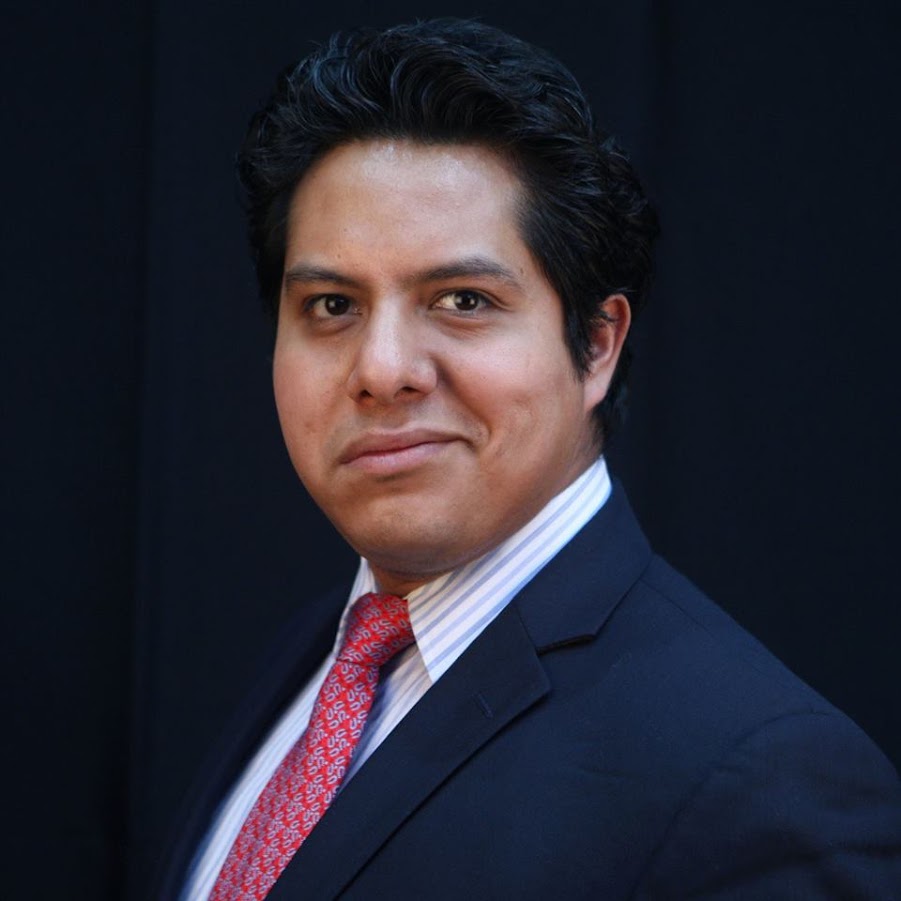
Please Disturb the Driver! was founded by Miguel Torhton, Mexican citizen and Master in Public Policy graduate from The George Washington University. This new social venture will distribute a low cost intervention in the public transport in Mexico City to reduce the number of road accidents. Following the experiences in other countries, this intervention will encourage passengers to speak up to induce social pressure on the driver. The project aims to reach more than half million passengers per day within three months and hopes to transform public transport culture in Mexico by expanding this initiative to the largest cities in the country.
PROVEN INTERVENTION TO BE DISTRIBUTED
Stickers displayed in public buses encouraging the public to stand up to reckless driving. This will reduce the number of traffic accidents caused by buses.
Learn more about the Transparency Challenge and how citizen reporting platforms can be used to hold government officials accountable and reduce corruption.
DISTRIBUTION MODEL INNOVATION
The intervention distributed by Please Disturb the Driver! (PDD) is based on posting evocative messages throughout the public transport (bus) system in Mexico City to encourage passengers to speak up against different forms of reckless driving. Their mission is to empower as many passengers as possible to speak up to reduce traffic accidents. This social experiment has proved successful in Kenya, where it significantly reduced the number of road accidents in the public transport system.
During the planning phase of the pilot, PDD will partner with insurance companies, public transport offices, public transport unions, and innovation agencies within the Mexico City Government to distribute the messages. They will craft messages in focus groups to define the most evocative messages for Mexican culture and language. Four visible stickers with the best messaging will be installed within the treatment group of buses (a control group of buses will be used to measure effectiveness of the campaign). Communication with the bus drivers will be face-to-face. Interns working with the project will check on the quality of the stickers at the end of each day with one bus and bus driver winning a prize. After 8 to 12 months, it will be possible for the PDD team to measure the reduction in traffic accidents between the treatment and control bus groups.
PILOT AND SCALING GOALS
- Have stickers in 1,360 buses by the end of year 1
- Have stickers in 2,600 buses by the end of year 2
- Reach 590,000 passengers per day during the pilot phase
FOUNDING TEAM
Miguel Angel Torhton - Founder and Program Coordinator
Pay2Educate
Pay2Educate aims to provide better means for the education of young girls in India. It has created a simple platform that links donors to schools, creating scholarships for underprivileged
SCHOLARSHIP CHALLENGE; INDIA

PROVEN INTERVENTION TO BE DISTRIBUTED
Education scholarships.
Learn more about our current distribution challenges and why we focus on interventions that are proven to impact lives.
DISTRIBUTION MODEL INNOVATION
Pay2Educate aims to provide better means for the education of young girls in India. It has created a simple platform that links donors to schools, creating scholarships for underprivileged females. Pay2Educate will begin operations in Bombay and will expand to more cities in the future. In three months, the organization will raise $5,500 for female education. Using this money, schools will create their own scholarships to provide tuition, supplies, and boarding when applicable for students.
PILOT AND SCALING GOALS
- Support the education of 100 girls during the pilot
- Create 1,000 new scholarships for female students by the end of year 1
- Support the education of 1,250 girls by the end of year 2
FOUNDING TEAM
Naureen Singh - Co-Founder, Finance Lead
Milinda Bhopatkar - Co-Founder, Partnerships Lead
Arvind Nagarajan
Arvind piloted a new approach for improving education in resource-limited settings. He will rely on digital student assessments to increase
Arvind piloted a new approach for improving education in resource-limited settings. He will rely on digital student assessments to increase transparency of education quality and drive improvements in school systems. He will pilot a tablet-based assessment in a low-cost center in Mumbai, and hopes to launch full time in 2014. Eric Pohlman, co-founder of One Acre Fund, is serving as a mentor.


Livelyhoods / iSmart
Maria co-founded Livelyhoods in 2011, and will launch the iSmart network to distribute clean-burning cook stoves as replacements for dangerous
COOK STOVE CHALLENGE; KENYA
PROVEN INTERVENTION TO BE DISTRIBUTED
Efficient cook stoves.
Learn more about the Cook Stove Challenge and how clean cook stoves reduce health and safety risks, lower fuel expenses, and help reduce poverty.
DISTRIBUTION MODEL INNOVATION
LivelyHoods operates a distribution network for clean-burning cook stoves. Their branded retail network consists of customer service centers and uniformed sales representatives, reaching the most hard-to-reach households in urban slum and peri-urban communities.
The mission is to create livelihoods opportunities for youth in urban slums so they can work their way out of poverty and actualize their potential. LivelyHoods employs youth from slums to sell life-changing products in their communities. The model includes a strong retail brand, increasing professional sales talent of youth form slums, and financing inventory through a third party partner, Kiva.
The curated product line is sold through a retail network which consists of customer service centers and uniformed sales representatives. While the best selling products are clean-burning cook stoves, they also offer a wide range of other high-impact products, ranging from water filters to solar lamps to reusable sanitary pads.
PILOT AND SCALING GOALS
- Sell 5,156 clean burning cook stoves in 2014
- Train 500 youth and create 100 jobs in 2014
- Sell 89,959 cook stoves in 2015 and 2016
- Train 6,250 youth and create 1250 jobs, impacting the lives of 449,795 people in 2015 and 2016
FOUNDING TEAM
Tania Laden - Co-Founder, Executive Director
Juabar
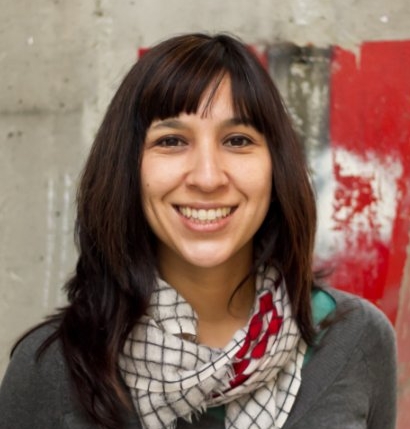
Olivia launched Juabar in Tanzania. Juabar kiosks use solar power to charge mobile phones and are also a point-of-sale for household solar lamps. Kiosks are run by local “jua-preneurs”.
CUSTOM CHALLENGE; TANZANIA
PROVEN INTERVENTION TO BE DISTRIBUTED
Juabar, a design-build start-up, creates transportable mobile-phone charging kiosks powered by a 40-60W solar system for use in rural and urban areas that lack access to electricity.
Learn more about the Custom Challenge and why we only fund ideas that focus on distributing proven poverty interventions.
DISTRIBUTION MODEL INNOVATION
Turning Juabar kiosks into solar light enterprises run by "Juapreneurs" can act as an extremely effective means for overcoming the traditional distribution barriers faced in Tanzania for numerous reasons:
The market for Juabar kiosks directly correlates with that of solar lights - in areas of Tanzania that are not electrified. Juabar provides needed phone charging services and solar lights are a complementary product offering for this market.
The kiosks provide a working example to potential consumers of the effectiveness of solar power thorugh the charging of their phones. This overcomes the hesitation that a consumer often has when met with a new product such as solar technology. In addition to handing out marketing materials, promotion will come when routine charging customers repeatedly interact with lighting products and the kiosk operators who can promote their benefits.
A portable kiosk allows operators to bring their service and products to the consumer. With its large, unique structure, Juabar sticks out in every setting and word-of-mouth about its presence travels quickly in isolated rural areas. Phone costs can represent up to 25% of the annual income of someone with poor energy access, with up to 50% of these costs going to travel expenses in getting to a charging location. Kiosks reduce these travel costs and can directly show consumers an option for further reducing ongoing household energy costs.
PILOT AND SCALING GOALS
- Create 15 solar lighting Juapreneurs by the end of the 3 month pilot
- Serve 4,000 households with charging services during the 3 month pilot
- Roll out 150 Juabar lighting dealers by the end of year 2
- Reach 26,650 households by the end of year 2
FOUNDING TEAM
Olivia Nava - Co-Founder
Essmart
Jackie and Diana launched Essmart to connect local India retailers with manufacturers of solar lamps, home lighting systems, water filters and other essential products. They plan to
SOLAR LAMP CHALLENGE; INDIA

PROVEN INTERVENTION TO BE DISTRIBUTION
Solar lamps and clean energy products.
Learn more about the Solar Lamp Challenge and how these lamps create enormous benefits for developing world families.
DISTRIBUTION MODEL INNOVATION
India's peri-urban and rural populations are not benefiting from existing life-improving technologies - such as solar lanterns, water filters, and smokeless cook stoves - because the local retail outlets they depend on are disconnected from these essential goods. Essmart is a distribution company operating in Tamil Nadu that connects local shops with a catalog of quality, affordable, essential products, providing marketing, distribution, and after-sales service.
Ninety percent of Indian households primarily shop in an estimated 15 million small, low-margin retail shops. However, these retail shops do not sell esesntial technologies because they do not know about them, where to get them, or how to service them if they break. Essmart connects a catalog of high-quality goods with proven demand to local shops, where trusted buying relationships exist.
Essmart's model has three parts. 1) Aggregate a catalog of high-quality existing products and build relationships with suppliers. Sales Executives then demonstrate our catalog to local shops and end users through marketing campaigns. 2) Essmart's local Sales Executives build distribution networks to villages by creating an Essmart-branded section in local shops, leaving our catalog in shops, and fulfilling orders. 3) Should any product break, Essmart provides training and maintenance services and facilitates manufacturers' warranties. This ensures that users continue to benefit from the products and shops need not take on the burden of returns.
PILOT AND SCALING GOALS
- Work from 10 aggregate distribution centers by the end of year 1
- Sell 16,200 products by the end of year 1
- Support 5,000 local Sales Executives by the end of year 2
- Work from 24 aggregate distribution centers by the end of year 3
- Sell 387,420 products by the end of year 3
FOUNDING TEAM
Jackie Stenson, Chief Executive Officer
Diana Jue, Chief Operations Officer
Prashanth V'Ramana - Director
Poonacha Kalengada - Director
Watch Me Go
Katie launched Watch Me Go, a crowd-sourced funding platform to provide education scholarships for girls in Kenya. Watch Me Go will allow donors to build a virtual classroom of
SCHOLARSHIP CHALLENGE; KENYA
PROVEN INTERVENTION TO BE DISTRIBUTED
Scholarships to help send girls to school.
Learn more about our current distribution challenges and why we focus on interventions that are proven to impact lives.
DISTRIBUTION MODEL INNOVATION
Watch Me Go is a crowd-sourced funding platform to provide education scholarships for girls in Kenya. Watch Me Go will allow donors to build a virtual classroom of smart girls in need of secondary school scholarships, track progress online and send more girls to school.
PILOT AND SCALING GOALS
- Raise funds to send 100 girls to attend school during the pilot phase
FOUNDING TEAM
Katie Wood - Founder and Director
PayGo
PayGo is a for-profit direct sales company that is distributing innovative and life changing products in Ghana. PayGo identifies and trains teams of sales representatives who sell
SOLAR LAMP CHALLENGE; GHANA

PROVEN INTERVENTION TO BE DISTRIBUTED
Solar lamps.
Learn more about the Solar Lamp Challenge and how these lamps create enormous benefits for developing world families.
DISTRIBUTION MODEL INNOVATION
Paygo LLC is a for-profit direct sales company formed with the sole purpose of proving the concept that direct sales to the poor business model can be effective in distributing innovative and life-changing products, while providing a good living wage to sales representatives and a profit to the company.
Paygo works to identify and train teams of direct sales representatives who go directly to consumers in their homes, villages and workplaces and teach them the benefits of off-grid lanterns. The goal is to sell the products directly to these consumers right at the point when they are most excited to purchase. Sales representatives are also the distribution resource and carry product with them wherever they go. Additionally, the representatives are the lending mechanism for the lease to own model.
The Paygo model focuses on three types of distribution strategies: 1) educating and selling at pre-scheduled meetings in villages where they can talk with over a hundred villagers at a time directly where they live and work, 2) meeting with groups at municipal assemblies and in their places of work through meetings that are sponsored by their employers, and 3) selling directly to street vendors, businesses and individuals.
PILOT AND SCALING GOALS
Employ 50 sales representatives by the end of year 1
Have three offices throughout Ghana by the end of year 1
Sell 17,886 solar lamps by the end of year 1
FOUNDING TEAM
Taylor Turnbull - President and Chief Operations Officer
Alan Westenskow - Managing Member and Chief Innovation Officer
Paul Dickson - Member of the Board and Advisor
Patrick Umeh - Director of Operations
Kuisi
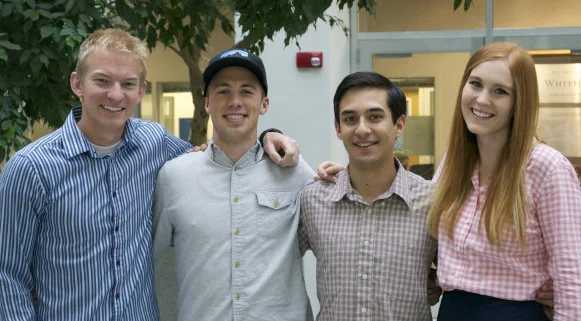
BYU students Dane, Bronwen, Ryan, and Spencer are working with Uganda's Minister of Health to improve praziquantel distribution, a deworming medicine.
PRAZIQUANTEL CHALLENGE; UGANDA
PROVEN INTERVENTION TO BE DISTRIBUTED
Praziquantel, a de-worming drug.
Learn more about our current distribution challenges and why we focus on interventions that are proven to impact lives.
DISTRIBUTION MODEL INNOVATION
Kuisi will use mandatory teacher training meetings to train on, inform about, and mass distribute praziquantel, a deworming medicine, to high-risk areas in rural Uganda. Their strategy expands on the tried and tested school distribution model in several ways. First, they plan to distribute praziquantel through district wide, multi-purpose, teacher conferences. In addition to training the teachers on schistosomiasis and the distribution of praziquantel, they want to train the teachers on additional health and sanitation issues, as well as improved teaching methodologies. Kuisi has communicated with four additional institutions (UNESCO, Cherish Uganda, Africa Teacher Foundation, and TASO) that are already conducting teacher trainings and who are eager to provide additional information regarding their initiatives.
Kuisi addresses cost-effectiveness through incorporating overhead costs into school fees. These fees would go to pay for overhead costs and future scaling of the project. Currently the average school expenditures for primary and secondary schools respectively is $11.04 and $93.49 per student per year. If unable to work through public schools, they plan to increase the fees for private schools to make up the difference. Uganda has one of the highest percentages of students attending private schools. The initial pilot will gauge exactly how feasible school fees are, how much money we can receive, and how long-term they can last.
PILOT AND SCALING GOALS
Deworm 50,000 children in the first month and a half
Treat over 5 million people by the end of year 2
FOUNDING TEAM
Bronwen Dromey
Dane Andersen
Ryan Thomas
Spencer Anderson
Social Cops
Social Cops is turning citizens into human sensors to aid decisions in civic, public health, and education issues. The organization is using citizen crowd-sourced data to bring
TRANSPARENCY CHALLENGE; INDIA

PROVEN INNOVATION TO BE DISTRIBUTED
A platform using vioce, SMS, web and smartphone applications that allow the public to verify the quality and completion of municipal projects carried out by contractors.
Learn more about the Transparency Challenge and how citizen reporting platforms can be used to hold government officials accountable and reduce corruption.
DISTRIBUTION MODEL INNOVATION
Most public services of the government such as garbage collection, traffic light repair, and street light maintenance in many parts of the world are outsourced to third party service providers. While third party contractors send in daily reports regarding the completion of their duties, the government has no way of monitoring the accuracy of these reports.
Social Cops allows citizens to easily report issues via their mobile phones and the internet. A seamless process (compliant filing can be accomplished in one minute) combined with google map and GPS integration allows Social Cops to identify the relevant authority and forward the complaint to the authority which can view it on a customized dashboard. A council then receives two feeds: one from citizens and one from the third party service provider. The citizen reports are used to verify the accountability of reports submitted and then easily respond and engage with citizens via the platform, notifying them when the complaint is solved.
PILOT AND SCALING GOALS
Increased garbage collection from 26 percent to 98 percent in one ward of Delhi.
FOUNDING TEAM
Prukalpa Sankar
Varun Banka
Harjoben Singh
Vivek Banka
Shreya Sonthalia
YouthGlobe
Launched by a team from Harvard, YouthGlobe sponsors full secondary school scholarships to talented, low-income Burundian students by connecting them to donors in
SCHOLARSHIPS CHALLENGE; BURUNDI

PROVEN INTERVENTION TO BE DISTRIBUTED
Scholarships for students.
Learn more about our current distribution challenges and why we focus on interventions that are proven to impact lives.
DISTRIBUTION MODEL INNOVATION
Civil war ravaged Burundi from the early 1990s to 2005 with an estimated death toll of 300,000 in a nation of 10 million. The war orphaned tens of thousands of children and shattered the national economy. The country is not able to provide free secondary education in its public schools. However, less than $30 is enough to put a Burundian student through a year of high school which gives Youth Globe the opportunity to be a highly cost-effective platform for donors to make an impact on many young lives.
YouthGlobe sponsors scholarship recipients from six partner high schools in different regions of Burundi. Many of these scholars have recently returned home from refugee camps in Tanzania and are finding ways of reintegrating into their local Burundian communities. YouthGlobe USA will promote and sell the scholarship program to potential patrons, with YouthGlobe South Korea aiding in fundraising efforts. YouthGlobe Burundi will review and admit scholars.
Scholars are recommended by the headmasters of each partner school. Following the recommendation, YouthGlobe reviews the candidate's academic record and relevant personal information with the consent of the student's parents or legal guardians, or in the absence of a guardian, with the student herself. Applications from candidates who have lost both parents are weighted favorably. YouthGlobe aims fro a 2:1 female-to-male ratio in distributing scholarships.
PILOT AND SCALING GOALS
Award 100 scholarships within the pilot phase
Expand to 12 partner schools during the pilot phase
Collect at least 100 donor pledges to fund scholars during the pilot phase
Scale to 2,000 scholarships by the end of year 1
Collect 2,000 donor pledges to fund scholars by the end of year 1
FOUNDING TEAM
Salathiel Ntakirutimana - Director
Miles Graham - Fundraising Manager
Nicky Kwon - Partnership Manager
Ding Zhou - Program Manager
Colibri
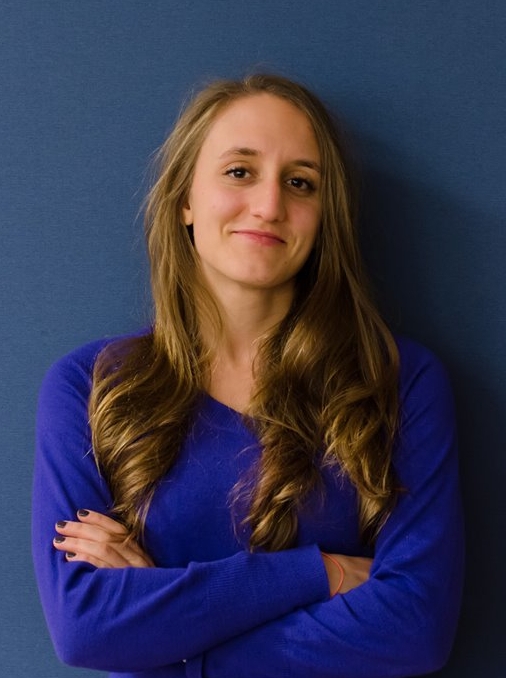
Tufts University student Morgan is creating Colibri (formerly Solar Route) which uses transnational bus routes to tackle the last mile distribution challenge. She is using existing
SOLAR LAMP CHALLENGE; NICARAGUA
PROVEN INTERVENTION TO BE DISTRIBUTED
Solar lamps.
Learn more about the Solar Lamp Challenge and how these lamps create enormous benefits for developing world families.
DISTRIBUTION MODEL INNOVATION
Colibri is a last mile distribution network that uses transnational bus routes to provide solar lighting solutions to those in off-grid areas of Latin America: last mile distribution by those who are already going the last mile. 30 million people in Latin America do not have access to electricity.
Colibri employs a traditional microentrepreneur model in an innovative setting: buses and bus routes. As an enterprise, Colibri's roles are to import SunKing products (the SunKing Pro) through partnerships with suppliers, work with microfinance institutions, recruit bus driver microentrepreneurs, develop a sales and distribution network on bus routes, provide microentrepreneurs with products, and train and support them as salespeople.
PILOT AND SCALING GOALS
Work with 8 microentrepreneurs during the pilot phase
Work with 20 microentrepreneurs by the end of year 1
Distribute 1,200 products by the end of year 1
FOUNDING TEAM
Morban Babbs - Founder
Claire de Lune
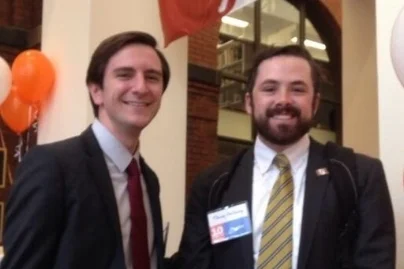
Andrew and Tommy are launching Claire de Lune. They will distribute solar lighting to untapped markets in Burkina Faso. They reach rural families by leveraging bus routes and
SOLAR LAMP CHALLENGE; BURKINA FASO

PROVEN INTERVENTION TO BE DISTRIBUTED
Solar lamps.
Learn more about the Solar Lamp Challenge and how these lamps create enormous benefits for developing world families.
DISTRIBUTION MODEL INNOVATION
Evidence suggests that remittances play an important role in African culture (remittances continue to be a large component of M-Pesa's mobile money transfer business), with poor households receiving a percentages of their monthly income from both international and domestic remittances. Claire de Lune will tap into this market by targeting customers who are wealthier, employed individuals living in regional capitals with rural family members. These customers will be incentivized through promotions and deals that will allow them to purchase solar lights for rural family members and use the well-established bus routes to ship the lights to their families.
Claire de Lune will employ pull marketing by exposing rural communities to the benefits of the lights in order to build demand. The campaign will revolve around getting poorer, rural households to take action by asking wealthier family members for solar lights sold at bus stations, mirroring the current cash or in-kind remittance distribution network. Claire de Lune will build a distribution network of private bus companies that have an international or national bus route; they will help with logistics, product storage in existing and secure storage facilities, and demonstrate customer value through product integration. Bus stations and rural bust stops will serve as demonstration centers to show the lights to create work of mouth marketing and to show off the product benefits to those customers including cell phone charging, brighter lighting, and long-term affordability.
PILOT AND SCALING GOALS
Sell 400 solar lamps during the pilot phase
Sell 3,000 solar lamps by the end of 6 months
Work with 3 partner bus lines by the end of 6 months
Ship 50% of products to rural destinations by the end of year 1
Sell 8,000 solar lamps by the end of year 1
Partner with 8 bus lines by the end of year 1
FOUNDING TEAM
Andrew Lala - Co-Founder
Tommy Galloway - Co-Founder
Pulse
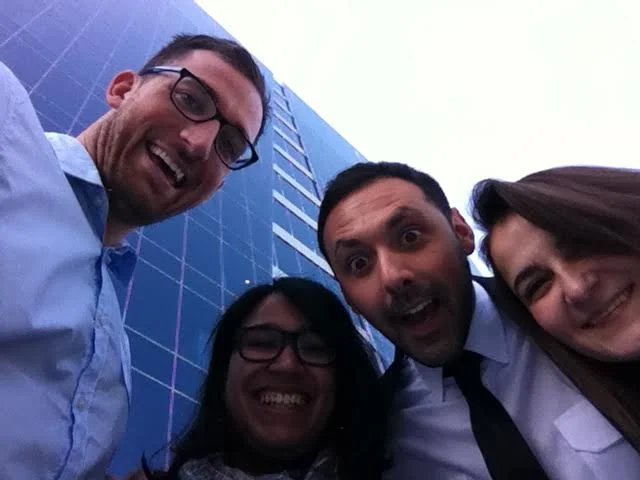
Launched by Hult International Business School graduates, Pulse is the world’s first mobile commitment saving service. It will give millions of unbanked people a safe and convenient
CUSTOM CHALLENGE; INDIA
PROVEN INTERVENTION TO BE DISTRIBUTED
A mobile phone deposit system similar to popular talktime top-up methods to help low income families put aside money for household needs.
Learn more about the Custom Challenge and why we only fund ideas that focus on distributing proven poverty interventions.
DISTRIBUTION MODEL INNOVATION
Through a network of certified Pulse vendors, users can 'save on impulse' and create a buffer of funds that serve as an insurance against emergencies and unexpected expenses. Furthermore, it provides a solution to the common issue of insufficient physical change, in which customers receive their change back in the form of candy rather than cash, a common occurrence in many developing countries.
Pulse offers an electronic system that is more convenient for beneficiaries. Importantly, since the service is not tied to any particular carrier, it works on any mobile phone, and enables instant access to the service for all users.
The customer experience: customer deposits leftover change or surplus income by buying a Pulse prepaid scratch card or leaving change with the shop owner and requesting an electronic deposit into the Pulse account; shop owner and customer receive an sms confirmation of the transaction with current balance; customer spends or withdraws their savings at any vendor in the Pulse network when needed.
PILOT AND SCALING GOALS
Sign up 1,000 Pulse savers during the pilot phase
FOUNDING TEAM
Karl Oskar Teien - Product Development
Mandy Vidalis - Business Operations and Finance
Niketa R. Malhotra - Implementation and Technology
Saul Alexander Minkoff - Management and Business Development
LiTe Africa
Alyse and Hashim are distributing energy efficient technologies to improve the health, income, and education of Africa’s low-income households. LiTeAfrica
COOK STOVE CHALLENGE; UGANDA

PROVEN INTERVENTION TO BE DISTRIBUTED
Energy efficient cook stoves.
Learn more about the Cook Stove Challenge and how clean cook stoves reduce health and safety risks, lower fuel expenses, and help reduce poverty.
DISTRIBUTION MODEL INNOVATION
LiTe Africa overcomes obstacles preventing wide distribution of energy efficient products by putting solar lanterns and energy efficient cook stoves in the hands of rural end users by utilizing the existing small retail and mobile money shop network not commonly used for these products. Rural, family-run shops draw low income consumers with basic essentials and mobile airtime. Customers visit these shops every day, creating a trust-based relationship with the retailer. Rural retailers currently do not know about, have access to, or know how to provide adequate service for energy efficient technologies.
In Uganda there are currently over 40,000 mobile money shops. Tapping into both the mobile and retail shop networks will help LiTe Africa reash the broadest consumer audience. LiTe Africa will sell cook stoves at a low cost and utilize Angaza's pay-as-you-go service for solar lamps. Payment in small increments has been proven to be not only popular and affordable among low-income households but drives up sales significantly. LiTe Africa will purchase products at wholesale through Ugastove, Angaza, and Greenlight Planet's distribution partners in Uganda, Small Solutions. The sales team will demonstrate products to retail and mobile money shop owners, training them on marketing techniques. The products are sold to shop owners at a price slightly above wholesale. Retailers will also be trained on pay-as-you-go operations and will explain the method to consumers and help them conduct monthly installments.
PILOT AND SCALING GOALS
Partner with 36 retailers during the pilot phase
Sell 380 solar lamps and 500 cook stoves during the pilot phase
Partner with up to 170 retailers by the end of year 1
Expand to 10 more surrounding villages and semi-urban locations by the end of year 2
Sell 20,000 cook stoves and 17,000 solar lamps by the end of year 2
FOUNDING TEAM
Alyse Daunis - Co-Founder
Hashim Mutanje - Co-Founder
Pay2Africa
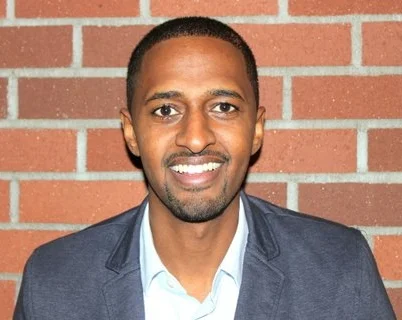
Zacharias is launching Pay2Africa, an online payment business that allows users to send money transfers from the US to Ethiopia. Money2Ethiopia.com will
CUSTOM CHALLENGE; ETHIOPIA
PROVEN INTERVENTION TO BE DISTRIBUTED
An online and mobile platform that provides a fast, reliable, low-cost, and convenient way to send money to loved ones from the United States to Ethiopia.
Learn more about the Custom Challenge and why we only fund ideas that focus on distributing proven poverty interventions.
DISTRIBUTION MODEL INNOVATION
Due to a lack of competition and a weak knowledge of the market, MoneyGram and Western Union - two major money transfer companies which charge high fees - have continued to dominate the remittance landscape in much of Africa. The only other option for customers looking to send money to Ethiopia is to use illegal hawala operators.
Pay2Africa's vision is to become the leading online and mobile platform application used by the Ethiopian diaspora to send money from the US to Ethiopia. The website will allow senders to wire funds directly to a recipient's bank account or for cash pickup at one of over 750 partner bank branch locations spread throughout Ethiopia. Pay2Africa is both a website and a mobile platform application that integrates the latest encryption technology with a secure remittance software platform that addresses all Anti-Money Laundering Act and Bank Secrecy Act laws and regulations. The end result is a user-friendly platform designed for the target demographic, the Ethiopian diaspora.
PILOT AND SCALING GOALS
Send $300,000 in transfers by 2015
Save customers $10,000 in fees by the end of year 2
FOUNDING TEAM
Zacharias Teshome - Founder and President
Are you ready to be the next great social entrepreneur?