Worth Alliance
Worth Alliance’s mission is to deliver agriculture-based poverty graduation solutions that combine ISA capital, training, and market access, impacting 100,000 ultra-poor women and youth in Kenya within 10 years.
Poverty Graduation CHALLENGE; Kenya
PROVEN INTERVENTION TO BE DISTRIBUTED
Poverty Graduation Program
Learn more about the Poverty Graduation Challenge and why an evidence-based program that combines cash or asset transfers with mentorship and other forms of financial and social support helps graduate the ultra poor from poverty.
DISTRIBUTION MODEL INNOVATION
Worth Alliance’s mission is to deliver agriculture-based poverty graduation solutions that combine ISA capital, training, and market access, impacting 100,000 ultra-poor women and youth in Kenya within 10 years.
Worth Alliance will distribute the Building Resilience in Kenya (BRiK) package in Busia County, Kenya, by identifying ultra-poor women and youth farmers through community wealth ranking, household verification, and baseline assessment. Selected farmers will receive a bundled intervention of ISA capital, practical agriculture and financial training, field mentoring, and market-access support and buyer linkages. Their Income Sharing Agreement model, which provides upfront capital without fixed debt or interest, allowing farmers to contribute back only from future profits so the fund can revolve to reach more farmers, builds dignity and community-led action.
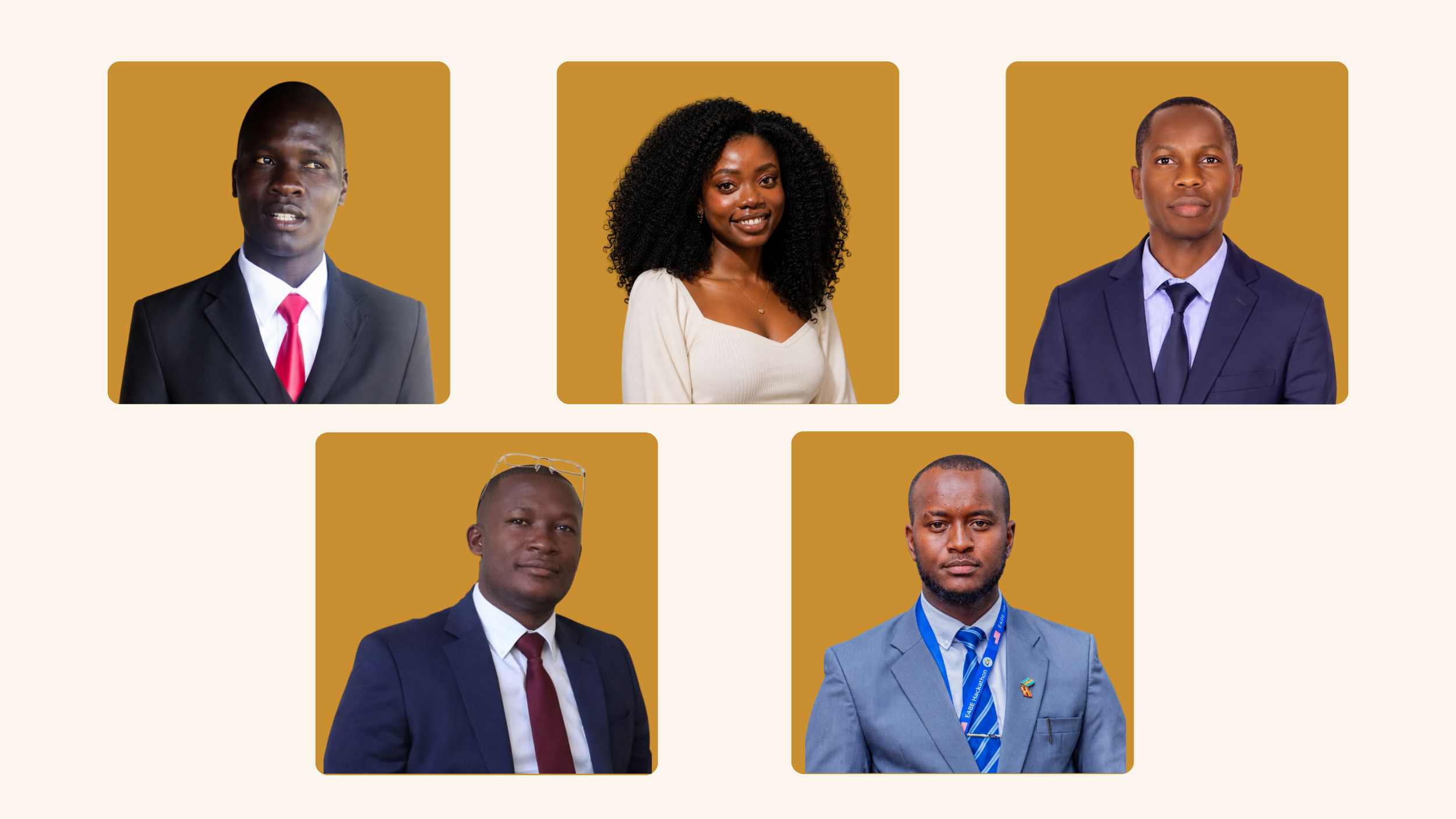
Worth Alliance was started in 2025 by Eva Barasa. Her team includes Kevin Yerry, Solomon Wambua Nduti, and Augustine Wangila, who serve as full-time program directors leading different functions to deliver our mission.
PILOT AND SCALING GOALS
Directly reach 30 ultra-poor farmers in Busia County within three months. Indirectly, the pilot is expected to benefit approximately 150 household members.
Work with 5 team members and 5 community mentors to distribute 30 BRiK agriculture-focused poverty graduation packages. Each package will combine ISA productive capital, practical agriculture and financial training, field mentoring, and market-access support.
Fundraise an additional $50,000 USD from new donors or investors within 12 months.
FOUNDING TEAM
Eva Barasa - Founder and Program Development
Solomon Wambua Nduti - Technical Coordinator / ISA Fund
Kevin Yerry Dome - Field Operations & MEAL Coordinator
Augustine Wangila - Training & Coaching Lead
Let Our Children See
LOCS is a social enterprise that aims to restore productivity and independence in Kenya by integrating affordable reading glass distribution into the national health system through a network of trained Community Health Volunteers.
READING GLASSES CHALLENGE; Kenya

PROVEN INTERVENTION TO BE DISTRIBUTED
Reading Glasses
Learn more about the Reading Glasses Challenge and how increasing access to non-prescription reading or working glasses can improve the livelihoods of those in need.
DISTRIBUTION MODEL INNOVATION
LOCS is a social enterprise that aims to restore productivity and independence in Kenya by integrating affordable reading glass distribution into the national health system through a network of trained Community Health Volunteers.
Operating out of Kisumu County, Kenya, the model integrates reading glass distribution into the existing national health system by transforming public health facilities into "reader access points". The venture will mobilize a network of trained Community Health Volunteers (CHVs) who will conduct home-based near-vision screenings and provide immediate correction or facility referrals. What truly sets LOCS apart is its sustainable, commission-based incentive structure for CHVs, which ensures consistent community outreach and financial viability without long-term donor dependency. This approach fills the critical gap left by sporadic marketplace screenings by providing a permanent, facility-anchored presence in rural areas.
Shadrack Muma and Mercy Viola serve as the visionary leaders of Let Our Children See (LOCS), an organization they established in 2025 to address critical gaps in vision care (presbyopia).
As the primary point of contact and Project Lead based in Kisumu, Shadrack oversees all pilot operations and high-level stakeholder engagement. Drawing on a decade of experience in vision access programs, he is responsible for the strategic integration of the model into public health facilities and the direct management of Community Health Volunteers (CHVs). His role is a full-time commitment, ensuring hands-on leadership as the initiative works to scale from the pilot phase to a nationwide model.
Based in Kisumu, Mercy serves as the Field Coordinator, managing the essential day-to-day operations required for a successful pilot. She handles the coordination between health facilities and CHVs, monitors stock levels for reading glasses, and ensures strict reporting compliance. With a proven track record in health program management and volunteer coordination, she dedicates the majority of her time to ensuring smooth daily activities and high-quality service delivery.
PILOT AND SCALING GOALS
Directly screen 7500 presbyopes within three months.
Use 50 CHVs to distribute 2500 reading glasses in three months.
Fundraise an additional $10,000 USD from other donors within three months.
FOUNDING TEAM
Shadrack Muma - Project Coordinator
Mercy Viola - Field Coordinator
GirlSmart Education
GirlSmart Education’s mission is to amplify the life outcomes of over 5 million girls across East Africa by enhancing their knowledge of high-risk sexual behaviours, averting early teenage pregnancies and reducing HIV/STI transmission.
SUGAR DADDY AWARENESS CHALLENGE; KENYA

PROVEN INTERVENTION TO BE DISTRIBUTED
Sugar Daddy Awareness classes.
Learn more about the Sugar Daddy Awareness Challenge and how a simple, one-hour “sugar daddy awareness” training could help countless girls avoid pregnancy while still in school, which can lead to entrenched poverty, and build a better life.
DISTRIBUTION MODEL INNOVATION
GirlSmart Education’s mission is to amplify the life outcomes of over 5 million girls across East Africa by enhancing their knowledge of high-risk sexual behaviours, averting early teenage pregnancies and reducing HIV/STI transmission.
GirlSmart will pilot in Kariobangi, Nairobi, a low-income residential area with high rates of teenage pregnancy and HIV prevalence. In its pilot, 250 youth will receive the Sugar Daddy awareness intervention, equipping them with life-changing knowledge about risk profiles. What sets them apart is their hybrid centralised and decentralised distribution model, which allows for both direct internal scale-up and rapid national expansion through an MoU with Kenya’s Ministry of Education. By combining this with their partnership model, where they build recurring relationships with schools and health clinics, they can reach 100,000 youth in just under 2 years.
GirlSmart Education was started in 2025 by Kalori Wesonga and Faith Mutinda. Kalori Wesonga serves as GirlSmart’s Project Manager, while Faith Mutinda serves as Program Coordinator.
PILOT AND SCALING GOALS
250 youth will receive the Sugar Daddy Awareness Intervention within 3 months.
Using 2 peer facilitators, we will distribute 6 proven interventions.
Fundraising an additional $300,000 USD from new donors or investors within three months.
FOUNDING TEAM
Kalori Wesonga - Founder
Faith Mutinda - Co-Founder
Presbyoptics Solutions
Presbyoptics Solutions restores vision for Kenyans through affordable reading glasses.
READING GLASSES CHALLENGE; Kenya

PROVEN INTERVENTION TO BE DISTRIBUTED
Reading Glasses
Learn more about the Reading Glasses Challenge and how increasing access to non-prescription reading or working glasses can improve the livelihoods of those in need.
DISTRIBUTION MODEL INNOVATION
Presbyoptics Solutions restores vision for Kenyans through affordable reading glasses.
Presbyoptics Solutions is dedicated to addressing uncorrected presbyopia in Bondo Sub-County, Kenya. Despite the availability of affordable reading glasses, many individuals aged 40 and above lack access due to cost, limited availability, and the misconception that glasses require a prescription. The initiative aims to demedicalize access to reading glasses by using Community Health Volunteers (CHVs) and church networks to distribute affordable, non-prescription reading glasses.
Through this model, they train CHVs and distributors to conduct basic vision screenings using the Snellen chart and the WHOeyes app. These trained individuals then distribute reading glasses at a subsidized cost, making them accessible to Bondo populations. By integrating eye health into community health strategies and religious gatherings, they aim to normalize the use of reading glasses and improve the quality of life and productivity for their target population.
Presbyoptics Solutions was started in 2025 by Beatrice Achieng Abura as Founder and full-time Director, Eugene Reywa Peywa as the Co-Founder & Project Coordinator, M & E.
PILOT AND SCALING GOALS
Provide affordable, non-prescription reading glasses to at least 475 individuals aged 40 and above in Bondo Sub-County.
Equip 7 CHVs and 5 church-based distributors with the skills to conduct vision screenings and manage inventory.
Establish a referral network to ensure that 100% of individuals with complex eye conditions are directed to specialized ophthalmological care.
FOUNDING TEAM
Beatrice Achieng Abura - Director
Eugene Reywa Peywa - Project Coordinator, M & E.
Elimu Daraja Initiative - THE ARK PLAYSCHOOL
Elimu Daraja Initiative, founded by The Ark Playschool, is committed to bridging educational inequalities in underserved communities to eradicate poverty.
Teaching at the Right Level CHALLENGE; Kenya

PROVEN INTERVENTION TO BE DISTRIBUTED
Teaching at the Right Level (TaRL) Education Program
Learn more about the Teaching at the Right Level Challenge and how an evidence-based foundational learning program can improve primary literacy and numeracy in low-resource schools.
DISTRIBUTION MODEL INNOVATION
Elimu Daraja Initiative, founded by The Ark Playschool is committed to bridging educational inequalities in underserved communities to eradicate poverty.
The venture’s distribution model is focused on scaling education programs in collaboration with grassroots organizations, ensuring they reach underserved communities. The pilot is based in Samburu, where they will implement the TaRL methodology to improve literacy and numeracy outcomes.
What sets Elimu Daraja Initiative apart is its community-driven approach to empowering local partners to lead and sustain education improvements in their communities.
Nelius Njoroge is the Founder and Team Lead, and Priscilla Cherop is the Co-founder and Programs Lead of the Elimu Daraja Initiative founded by The Ark Playschool.
PILOT AND SCALING GOALS
Directly reach 450 learners within 3 months.
Distribute 1 proven intervention.
Raise an additional $20,000 in funds.
FOUNDING TEAM
Nelius Njoroge - Founder
Priscilla Cherop - Co-Founder
Ongeza Zao na Pato (OZP)
Ongeza Zao na Pato (OZP) will enhance farmer yields and income through the provision of quality inputs.
Quality Inputs CHALLENGE; Kenya

PROVEN INTERVENTION TO BE DISTRIBUTED
Quality Agricultural Inputs
Learn more about the Quality Inputs Challenge and why an evidence-based model that distributes high-quality seeds could reliably boost the standard of living for smallholder farmers.
DISTRIBUTION MODEL INNOVATION
Ongeza Zao na Pato (OZP) will enhance farmer yields and income through the provision of quality inputs.
Ongeza Zao na Pato (OZP)’s distribution of quality inputs on credit will be undertaken by selected women and youth groups that come from Gotani and Kaloleni locations as they will know the farmers well.
They will recover the credit from sale of extra surplus, for the best farmgate price, at a rate agreed with the smallholder farmers. They are stepping in to introduce smallholder farmers to growing new drought-resistant legumes that they can commercialize and switch from loss-making maize/corn growing.
PILOT AND SCALING GOALS
Reach 100 beneficiaries during the pilot.
Distribute 4 proven interventions during the pilot.
Raise an additional USD 5,000 in funding.
FOUNDING TEAM
Gabriel Mwema Waithaka - Founder
Richard Teah Geegbae - Founder
Margaret Adomako - Founder
EmpowerHERVenture
EmpowerHERVenture aims to empower single mothers in rural Kenya by providing them with the skills, resources, and support needed to start or enhance their entrepreneurial ventures, ultimately improving their livelihoods and that of their families.
Poverty Graduation CHALLENGE; Kenya

PROVEN INTERVENTION TO BE DISTRIBUTED
Poverty Graduation Program
Learn more about the Poverty Graduation Challenge and why an evidence-based program that combines cash or asset transfers with mentorship and other forms of financial and social support helps graduate the ultra poor from poverty.
DISTRIBUTION MODEL INNOVATION
EmpowerHERVenture aims to empower single mothers in rural Kenya by providing them with the skills, resources, and support needed to start or enhance their entrepreneurial ventures, ultimately improving their livelihoods and that of their families.
EmpowerHERVenture’s distribution model centers around empowering single mothers as distribution entrepreneurs, leveraging their existing networks and community ties.
The pilot will be located in Kiambu, Thika and Yatta regions of Kenya, focusing on these areas due to the high population of single mothers in need of economic opportunities.
What sets EmpowerHERVenture apart is its focus on single mothers, including those with children with disabilities and survivors of abuse, a demographic often overlooked in entrepreneurial programs, and their emphasis on creating sustainable, community-driven distribution networks.
PILOT AND SCALING GOALS
Reach 100 single mothers with training and support programs within three months.
Distribute 95 proven interventions to single mothers to enhance their entrepreneurial ventures during the pilot.
Raise an additional $25,000 USD from new donors and investors to support pilot initiatives.
FOUNDING TEAM
Amara Chineme - Founder
Miti Mitaani
Kiswahili for ‘trees in our neighborhoods’, Miti Mitaani pays urban youth to establish community forests which mitigate the impact of climate change.
CUSTOM CHALLENGE; Kenya

PROVEN INTERVENTION TO BE DISTRIBUTED
Reforesting trees and providing work for young people
Learn more about the Custom Challenge and why we only fund ideas that focus on distributing proven poverty interventions.
DISTRIBUTION MODEL INNOVATION
Kiswahili for ‘trees in our neighborhoods’, Miti Mitaani pays urban youth to establish community forests which mitigate the impact of climate change.
Miti Mitaani pays urban youth to establish community forests. By engaging unemployed youth in African cities as tree stewards (they plant and maintain the trees monthly), there is huge potential to rapidly scale tree cover in African cities. Miti Mitaani currently operates in Nairobi, Kenya.
Trees are the most scalable and affordable solution to mitigate the effects of climate change, especially in resource-constrained countries. Community forests can transform cities by making them cooler and greener, in addition to other benefits such as cleaner air, habitat for urban wildlife, improving the rain cycle, reducing flash floods etc.
A youth participant enrolled in Miti Mitaani’s program has the opportunity to earn up to $375 annually. Their pilots to date show that stewardship payments are invested in businesses (ex. light motorcycle transportation) and meeting basic needs such as food and healthcare. 100% of the participants in their initial pilot reported they would join Miti Mitaani again.
PILOT AND SCALING GOALS
30 at-risk youth from a low-income neighbourhood of Nairobi will be engaged as tree stewards.
Each of these 30 hired youth will be responsible for planting and maintaining 500 trees, bringing the total number of trees planted to 15,000.
Raise an additional $10 - 15,000 USD from new donors within the pilot period.
FOUNDING TEAM
Ronny Mutua - Founder, Strategy & Partnerships Lead
Maria Omulubi - Co-Founder, Program & Operations Lead
Hydrointel Africa Energy
Hydrointel Africa Energy believes energy access equals financial freedom, better health care, and improved living.
SOLAR LAMP CHALLENGE; Kenya
PROVEN INTERVENTION TO BE DISTRIBUTED
Solar Lamps
Learn more about the Solar Lamp Challenge and how these lamps create enormous benefits for developing world families.
DISTRIBUTION MODEL INNOVATION
Hydrointel Africa Energy believes energy access equals financial freedom, better health care, and improved living.
HIAE offers dependable and accredited solar energy solutions to homes in the Western Region of Kenya with limited electricity access. Warranty policies and verification processes support the solutions to guarantee high quality and durability. The products are specifically developed to address energy poverty and enhance individuals' daily lives.
Their goal is to overcome the logistical and financial obstacles that impede the widespread use of renewable energy technology. HydroIntel Africa Energy’s distribution model employs a two-dimensional approach: Provision of Solar Lamps on a pay-to-own model and cash basis.
HydroIntel Africa Energy's goal is to present and offer a sustainable model that has evidence-based impact and a trickle-down effect, similar to the social business approach, which is built on the need to create an activity that generates income and helps the community members make their financial capacity by creating a revolving fund from the proceeds.
PILOT AND SCALING GOALS
Distribute 500 units within the first 3 months of the pilot phase impacting approximately 2500 people.
Recruit 20 sales agents 5 months into the project to construct a solar kiosk.
In 12 months, scale up the operation to reach 3,000 people by sourcing additional funding of USD 10,000.
FOUNDING TEAM
John Wafula Khaemba - Founder
Nomad Child Trust
Nomad Child Trust addresses vaccine inequity amongst the vulnerable rural pastoral communities in Kenya.
CHILD IMMUNIZATION CHALLENGE; KENYA

PROVEN INTERVENTION TO BE DISTRIBUTED
Routine childhood immunizations
Learn more about the Immunization Challenge and how Increasing routine childhood immunization rates in low-coverage areas could prevent millions of childhood deaths.
DISTRIBUTION MODEL INNOVATION
Nomad Child Trust addresses vaccine inequity amongst the vulnerable rural pastoral communities in Kenya.
The Vaccines on the Move model leverages local health infrastructure, conditional transport vouchers, and culturally tailored messaging to address vaccine inequity within Kenya's rural pastoral communities.
This model aims to surmount barriers hindering mothers from accessing crucial immunization services, including the challenges posed by the prolonged drought, the isolated nature of nomadic pastoralism, limited weather-adaptive healthcare initiatives, and competing resource priorities at the county level.
Nomad Child Trust was started in 2023 by Mariam, a dedicated young social work intern at Marsabit Hospital, and Hassan, a changemaker from the Borana pastoral community. Their shared concern revolved around the adverse effects of vaccine inequity among children under 5 within nomadic communities, and they observed that changing climate patterns, nomadic lifestyles, prolonged droughts, and an unresponsive public health system were exacerbating this issue.
In direct response, they founded Nomad Child Trust with a vision of a future where nomadic children have equal access to life-saving healthcare and culturally relevant education to thrive.
PILOT AND SCALING GOALS
Directly reach 720 caregivers, potentially immunizing between 720 to 1200 children under 5 who might not have been immunized otherwise.
7200 mHealth reminders and information in Borana language.
Secure funding of at least USD 10,000 from partners and investors.
FOUNDING TEAM
Mariam Masudi - Project Coordinator
Hassan Oyugi - Social Impact Officer
Education Empowerment for Rural and Urban Slums
Education Empowerment for Rural and Urban slums (EERUI) delivers the Teaching at the Right Level (TaRL) program, an education program proven to improve basic literacy and numeracy.
TEACHING AT THE RIGHT LEVEL CHALLENGE; KENYA
PROVEN INTERVENTION TO BE DISTRIBUTED
Teaching at the Right Level (TaRL) is an education program that tailors instruction to the learning level of the child, rather than their age. The result is that basic literacy and numeracy are achieved by students before they finish primary school.
Learn more about the Teaching at the Right Level Challenge and other D-Prize Distribution Challenges.
DISTRIBUTION MODEL INNOVATION
Education Empowerment for Rural and Urban slums (EERUI) delivers the evidence-based Teaching at the Right Level (TaRL) program to make timely interventions geared towards equipping children left behind with basic literacy and numeracy skills to solidify their learning.
EERUI will use the regular in-service teachers for instruction delivery after training them on the TaRL approach. This is informed by the goal of leveraging the infrastructural capacity in government schools and embedding the TaRL approach within the school culture for sustainability and scale. The founding team will offer mentoring support to the teachers and monitor the implementation. Every day there will be one hour each for reading and math outside of normal class.
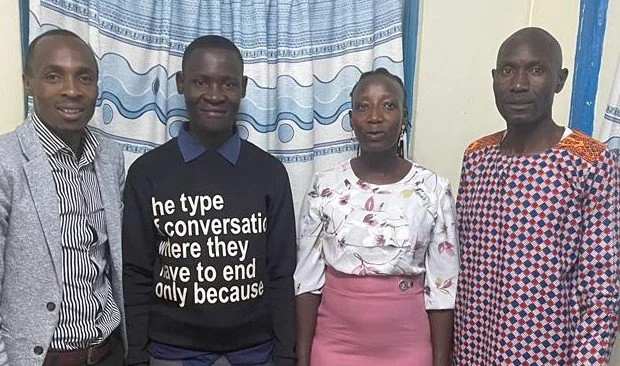
EERUI was founded in 2021 by Simon Wamu, Amos Ouma and Grace Ewoi. Simon works full time as the Chief Executive Officer.
PILOT AND SCALING GOALS
Reach 300 learners across 3 schools within three months
Recruit and train 9 facilitators
Fundraise an additional $10,000 from new donors in three months
Reach 4,000 students by the end of year 1
Reach 12,000 students by the end of year 2
FOUNDING TEAM
Simon Wamu - Chief Executive Officer
Grace Ewoi - Project Officer
Amos Ouma - Content Developer
Fuga
Cherehani Agriculture leverages an organized network of veterinary doctors to distribute animal health and nutrition products.
CUSTOM AGRICULTURE CHALLENGE; KENYA

PROVEN INTERVENTION TO BE DISTRIBUTED
Livestock health and nutrition products.
Learn more about the Custom Agriculture Challenge and why distributing proven agricultural interventions can greatly improve the livelihoods of smallholder farmers.
DISTRIBUTION MODEL INNOVATION
Fuga (formerly Cherehani Agriculture) leverages an organized network of veterinary doctors to distribute animal health and nutrition products.
The veterinary extension officers use a downloadable application to onboard farmers within their area of work. They schedule visits and order medicine directly through the app. Fuga aggregates this demand to order and supply medicine from manufacturers directly to the extension officers who use them in farms. This model shortens the delivery time from manufacturer to farmer while lowering cost and increasing efficiency.
Fuga was founded in 2019 by Wesley Owiti, Nasreen Ali, Christine Mukiri and Robert Mboya.
PILOT AND SCALING GOALS
Reach 500 farmers by the end of the three-month pilot
Provide vaccination to over 2,000 cattle by the end of the three-month pilot
Raise additional $50,000 by the end of the three-month pilot
Reach 60,000 beneficiaries by the end of year 2
FOUNDING TEAM
Wesley Owiti - CEO
Christine Mukiri - CTO
Robert Mboya - COO
Nasreen Ali - CFO
Better Minds Education
Better Minds Education is dedicated to improving student learning outcomes throughout rural Africa through a scalable digital tutoring model.
FLIPPED CLASSROOM; KENYA

PROVEN INTERVENTION TO BE DISTRIBUTED
Flipped classroom.
Learn more about the Flipped Classroom Challenge and why new education models, like flipping the classroom or deskilling a class curriculum, offer a solution to the vast teacher shortages in the developing world.
DISTRIBUTION MODEL INNOVATION
Better Minds Education is dedicated to improving student learning outcomes throughout rural Africa through a scalable digital tutoring model.
Better Minds distributes proven digital tutoring content to high-need students in rural Africa. The pilot digital learning center in Kakamega, Kenya leverages low-cost tablets and self-paced learning software to teach students at their right level of learning through school-based partnerships and holiday learning camps.
Better Minds was founded in 2019 by Siler Bryan, with Grace Waweru as the first Digital Learning Center Manager.
PILOT AND SCALING GOALS
Provide tutoring to 500 students within 3 months
Launch partnerships with 6 schools and hold 1 holiday camp to reach 500 students in 3 months
Raise $50,000 from new donors within 3 months
Scale to serve 2,000 students by end of year 1 and 10,000 by year 2
FOUNDING TEAM
Siler Bryan - Director
Haraka Home
Haraka Home is Africa’s “Costco on wheels,” saving East African consumers money by delivering bulk commodities such as LPG and food using a distributed fleet of delivery vehicles preloaded with fast moving consumer goods.
COOK STOVE CHALLENGE; KENYA

PROVEN INTERVENTION TO BE DISTRIBUTED
Liquid Petroleum Gas.
Learn more about the Cook Stove Challenge and how clean cook stoves reduce health and safety risks, lower fuel expenses, and help reduce poverty.
DISTRIBUTION MODEL INNOVATION
Haraka Home, based in Nairobi, Kenya, uses a distributed goods model of delivery that allows low prices and a superior consumer experience while still retaining healthy margins. Instead of receiving an order, loading a vehicle hours or days later with goods, and then traveling to the customer, Haraka’s delivery vehicles leave their warehouse every morning preloaded with products and continuously complete deliveries. This distribution strategy cuts delivery time, distance, and expense significantly.
PILOT AND SCALING GOALS
Complete 1,000 deliveries within first month of operations
Achieve delivery times of 45 minutes or less
Aiming for full net profitability
FOUNDING TEAM
Max Weiner - COO
Vytas Bradunas - CTO
Nutri You
Nutri You strives to create simplicity in agriculture by offering farmers affordable drip irrigation systems to help them grow.
CUSTOM AGRICULTURE CHALLENGE; KENYA

PROVEN INTERVENTION TO BE DISTRIBUTED
Drip irrigation systems.
Learn more about the Custom Challenge and why we only fund ideas that focus on distributing proven poverty interventions.
DISTRIBUTION MODEL INNOVATION
The Nutri You model seeks to provide smallholder farmers in Busia County, Kenya, with affordable access to a low-cost drip irrigation system through a bundled low-cost irrigation package. This system will allow farmers to irrigate their crops all year round, relieving them of their dependence on rain, thus enabling them to increase local food production. The project has adopted a pay-as-you-go (PAYGO) finance model that offers farmers a micro-leasing option to acquire the system upfront with just a 30% down payment. The farmers then get as two month grace period before continuing to make slow payments over the course of 6 months.
Nutri You strives to create simplicity in agriculture by offering farmers affordable yet practical products and services that simplify their lives and help them grow.
PILOT AND SCALING GOALS
Reach 300 farmers in first three months
2 agents to distribute 35 drip irrigation systems within first three months
FOUNDING TEAM
Ellen Savude - Project Manager
Laetitia Mukungu - Technical Lead
Haggai Pepela - Operations Lead
Mpumalanga Zwane - Communications Lead
Econome
Econome Ltd is a last mile distributor building a trusted one-stop shop for impactful energy products needed by rural households in Kenya.
SOLAR LAMP CHALLENGE; KENYA

PROVEN INTERVENTION TO BE DISTRIBUTED
Solar Lamps.
Learn more about the Solar Lamp Challenge and how these lamps create enormous benefits for developing world families.
DISTRIBUTION MODEL INNOVATION
Econome is a one-stop trusted distribution brand for a variety of affordable utility products such as clean energy and productive use appliances for low-income households across Kenya. Our vision is to make life better for African households, one product at a time.
The Econome model is based on building a trusted and cost-effective last mile distribution channel through sales of a range of quality, affordable and impactful energy products to rural households. We work with mainly women entrepreneurs by offering them a business opportunity to make good sales that can sustain their livelihoods. With a full basket of different products, the probability of one making sales in each household is higher than if it were only one product being sold by the same entrepreneur. The pilot location is in western Kenya counties of Kakamega, Bungoma and Busia where we aim to work with over 30 women entrepreneurs during this period.
PILOT AND SCALING GOALS
Directly reach 3,000 beneficiaries within three months
Distribute 600 products comprising of solar lights, cook stoves and water storage tanks within three months
Raise $20,000 from sales revenues and other sources within 3 months
FOUNDING TEAM
Linda Wamune - Managing Director
Martin Theuri - Business Advisor
Sauti Ya Mama
Sauti ya Mama is a high impact social enterprise that aims to prevent mother-to-child transmission (PMCTC) of HIV by ensuring ART adherence by HIV-positive expectant mothers.
PMTCT CHALLENGE; KENYA

PROVEN INTERVENTION TO BE DISTRIBUTED
Retention in care and adherence to anti-retroviral treatment for people living with HIV.
Learn more about the PMTCT Challenge and how increasing completion of antiretroviral therapy (ART) to prevent mother to child transmission (PMTCT) of HIV can decrease HIV rates and improve lives.
DISTRIBUTION MODEL INNOVATION
Sauti ya Mama (Voice of Mothers) is a high impact social enterprise that aims to prevent mother-to-child transmission (PMCTC) of HIV by ensuring antiretroviral therapy (ART) adherence by HIV-positive expectant mothers and their infants. We strive to ensure as many infants are born free of HIV scourge and continue adhering to ART medication in the next 2 months to ensure the infants are free of HIV completely.
The pilot will take place in Mathare in Nairobi, Kenya. Community Health Volunteers will enroll, advise, and track expectant mothers. SMS reminders will be sent to ensure adherence to the ART regimen. The Sauti ya Mama model will work to create an impact on expectant mothers in low income settings to ensure they live long and productive lives.
PILOT AND SCALING GOALS
Reach 150 expectant mothers during the pilot phase
Reach 1,000 expectant mothers by the end of year 1
Reach 2,000 expectant mothers by the end of year 2
FOUNDING TEAM
Mustafah Otieno - Executive Director
Robert Oliech - Chief Community Health Worker
Mukuru Clean Stoves
Mukuru Clean Stoves will partner with local women groups to educate the community on the impacts of household air pollution and sell cook stoves in the most popular local markets in Kenya.
COOK STOVE CHALLENGE; KENYA

PROVEN INTERVENTION TO BE DISTRIBUTED
Cook stoves.
Learn more about the Cook Stove Challenge and how clean cook stoves reduce health and safety risks, lower fuel expenses, and help reduce poverty.
DISTRIBUTION MODEL INNOVATION
The main barriers limiting the adoption of clean cook stoves in Kibera slums are: Unaffordability; People living at the base of the economic pyramid earn an average of $40 to $100 monthly income and spend a third of their income on fuel. Low income households have to prioritize purchases and are therefore not able to afford modern cook stoves without staggered payment plans. Inaccessibility; Due to poor infrastructure most low income household cannot access clean cook stoves which are mostly sold outside the slum areas. Kibera slum is also notorious for hostility and businesses shy away from setting up shop. Lack of knowledge on the impacts of pollution; Low income households are ignorant of the health, social and environmental hazards of traditional and inefficient cook stoves.
Mukuru Clean Stoves will partner with local women groups to educate the community on the impacts of household air pollution through marketing campaigns run for three months in the most popular local markets in Kibera.
82% of micro enterprises in Kibera slums are women owned. Mukuru Clean Stoves will be working with them as ambassadors and retailers of our clean cook stoves. The small business owners will earn a 10% commission per cook stove sold. To make the products more affordable and increase adoption rates, the team will introduce a convenient, staggered payment plan to be implemented through mobile wallets.
PILOT AND SCALING GOALS
Reach 530 people by the end of the pilot phase
Reach 12,000 people by the end of year 1
Reach 18,000 people by the end of year 2
FOUNDING TEAM
Charlot Magayi - Project Manager
Diannah Omaribah - Operations Manager
Mary Oula - Project Administrator
Angela Oruko - Field Officer
Sharon Adhiambo - Sales Representative
Josephine Kemunto - Field Officer
Solar Mashinani
Solar Mashinani is a chain of branded portable kiosks selling high-quality solar lamps on a pay-as-you-go basis within rural markets in Kenya.
SOLAR LAMP CHALLENGE; KENYA


PROVEN INTERVENTION TO BE DISTRIBUTED
Solar lamps.
Learn more about the Solar Lamp Challenge and how these lamps create enormous benefits for developing world families.
DISTRIBUTION MODEL INNOVATION
Only 16% of Kenyans have access to the electric grid. Families living in rural households are faced with many challenges in accessing electricity. These families also face challenges in accessing solar energy including affordability, awareness, and access to technical support services.
Solar Mashinani will address these barriers by creating a chain of branded portable kiosks located within rural target markets. The kiosks will be manned by agents trained in sales and marketing. Agents will be well-versed in troubleshooting, repair and maintenance of solar lamps. These kiosks will offer solar lanterns on a cash basis and on a pay-as-you-go model where customers can make a modest up-front payment of between $2 and $12 at the time of purchase, and make additional weekly payments of as low as $2 for a total of four to ten weeks. Using the Angaza system, customers will be able to pay off the balance on their laps via secure mobile payments to challenge the common problem of high up front costs. The kiosks will offer after sales-services including but not limited to lantern repair and replacement.
Solar Mashinani will challenge the status quo of poor quality and support established by other solar lamp providers by enabling customers to make payments according to their income, purchase products in their communities, access after-sales services, engage with sales agents they know because they live in the communities they serve.
PILOT AND SCALING GOALS
- Distribute solar lamps to 1,250 households during the pilot
- Distribute solar lamps to 8,600 households by the end of year 1
- Distribute solar lamps to 23,400 households by the end of year 2
FOUNDING TEAM
Charles Omondi Ogingo - Chief Executive Officer
Peter Gombe - Technical Adviser
Robert Achoge - Finance and Administration Officer
Shamba Pride
Farmers Pride provides supply chain management and a “last mile” village retail franchise model,
catalyzing a modern trade ecosystem for rural, smallholder agriculture. The model entails
commercially distributing quality farm inputs with bundled farmer extension, farmer training and other services like soil testing and insurance.
CUSTOM AGRICULTURE CHALLENGE; KENYA

PROVEN INTERVENTION TO BE DISTRIBUTED
Quality seeds and other key inputs for rural farmers through a franchised agro dealer network and a youth agent network.
Learn more about the Custom Agriculture Challenge and why distributing proven agricultural interventions can greatly improve the livelihoods of smallholder farmers.
DISTRIBUTION MODEL INNOVATION
Established in 2016, Shamba Pride (formerly Farmers Pride) offers one-stop B2B DigiShop franchise marketplace that empowers village level informal agro-dealer stores and cooperatives to digitize their operations. The company offers a supply chain solution to guarantee quality of inputs, information and services to local farmers to ensure increased farm production. Our DigiShop platform creates new agriculture opportunities to village-level farmers to access trusted and dependable information, inputs and services to succeed in their farming enterprises.
PILOT AND SCALING GOALS
Distribute 11 tons of certified seeds by the end of year 1
Reach 1,000 agro dealers by the end of year 1
Reach 5,000 farmers by the end of year 1
FOUNDING TEAM
Samuel Munguti - Founder and Chief Executive Officer
Augustin Mutuku - Accounts Manager
Catherine Musyoka - Head of Sales, Marketing and Farmer Training
Alex Matui - Chief Technology Officer
Joel Patenaude - Advisor
Are you ready to be the next great social entrepreneur?