NAGO Farmers Support Group Limited
NAGO Farmers Support Group Limited distributes quality farm inputs to smallholder farmers in rural Uganda.
QUALITY INPUTS CHALLENGE CHALLENGE; UGANDA

PROVEN INTERVENTION TO BE DISTRIBUTED
Quality seeds and fertilizer as well as transportation of farm produce to market.
Learn more about the Improved Farm Practices Challenge and why increasing the effective use of fertilizer has the potential to unlock significant crop yield for smallholder farmers in sub-Saharan Africa.
DISTRIBUTION MODEL INNOVATION
NAGO Farmers Support Group Limited distributes quality farm inputs to smallholder farmers in rural Uganda.
NAGO will identify groups of smallholder farmers, then train and empower their members to use improved farm inputs. The venture will avail improved farm inputs to trained group members and will carry out farmer screening, especially of those buying on credit to determine credit readiness, and then determine repayment method. NAGO will also conduct field visits to farmers to assess their experience with the farm inputs, gather impact stories, and issue repayment reminders. The venture will launch in Jinja district in Eastern Uganda with plan to scale to the neighboring communities.
NAGO co-founders all have experience in working with smallholder farmers. Godfrey Nanzigwa, the Managing Director, worked as Capacity Development Specialist at Grameen Foundation on initiatives that support smallholder farmers and he recently conducted a research project on the role of Agricultural financing, Farmer training and the Performance of smallholder farmers. Elizaphani Nkuutu, the Technical Director, is an Agriculturalist by profession and he previously managed maize projects at Volunteers Efforts for Development Concerns (VEDCO), and National Agricultural Advisory Services (NAADS). Jolly Josephine Nakityo, our Field Manager, previously worked as Field Manager and later as Assistant Field Director with One Acre Fund, a farmer support organization using a model similar to that of NAGO.
PILOT AND SCALING GOALS
70 Smallholder farmers enrolled over the first three months, reaching 420 people
Raise additional $10,000 within first three months
Reach 1,800 beneficiaries by the end of year 1
Reach 7,200 beneficiaries by the end of year 2
FOUNDING TEAM
Godfrey Nanzigwa - Co-founder and Managing Director
Nkuutu Elizaphani - Co-founder and Technical Director
Jolly Josephine Nakityo - Co-founder and Field Manager
Briaze Health Initiative
Community Health Initiative distributes the self-injectable contraceptive Sayana Press through a network of private practitioners in Uganda.
SAYANA PRESS CHALLENGE; UGANDA

PROVEN INTERVENTION TO BE DISTRIBUTED
Sayana Press injectable contraceptive.
Learn more about the Sayana® Press Challenge and why training health providers to administer Sayana® Press can be particularly valuable for women who prefer injectable contraceptives but don’t have regular access.
DISTRIBUTION MODEL INNOVATION
Briaze Health Initiative utilizes a ‘Private Practitioner Model’ to increase access and utilization of Sayana Press among women in Mukono District. The distribution model is unique because it seeks to train private practitioners on how to teach women to self-inject Sayana Press at their comfort.
BHI intends to reach 500 women in 3 months and 100,000 women in 5 years. Women seeking Sayana Press at private practitioners will pay a modest service fee to keep private practitioners motivated to give women transparent information and education.
PILOT AND SCALING GOALS
Through 20 private practioners, train 500 women to self-inject 1000 doses Sayana Press
Raise an additional $25,000 during the pilot period
Reach 2,500 beneficiaries by the end of year 1
Reach 20,000 beneficiaries by the end of year 2
FOUNDING TEAM
Bridget Kyobutungi - Team Lead
Esther Nakyaze - Project Coordinator
Catherine Nakiganda - Business Development Manager
Sayari Green Alliance
Sayari Green Alliance gives rural populations access to safe water by distributing and promoting point-of-use chlorine dispensers.
CHLORINE DISPENSER CHALLENGE; UGANDA

PROVEN INTERVENTION TO BE DISTRIBUTED
Point-of-use chlorine dispensers
Learn more about the Chlorine Challenge and other D-Prize Distribution Challenges.
DISTRIBUTION MODEL INNOVATION
Sayari Green Alliance gives rural populations access to safe water by distributing and promoting point-of-use chlorine dispensers.
Sayari establishes a network of local area service providers who deliver chlorine and maintain the dispensers. The model involves three key components: Simple-to-use hardware installed at communal water collection points, community trainings, and a strong chlorine supply chain. The Sayari Green Alliance approach to chlorine dispenser distribution is intended to empower the local businesses to supply chlorine, repair dispensers as a way of community inclusion and service sustainability.
PILOT AND SCALING GOALS
Distribute 20 dispensers during 5,000 beneficiaries during the pilot phase
Raise $50,000 during the pilot phase
Reach 70,000 beneficiaries by the end of year 2
FOUNDING TEAM
Atwongyeire Dorcus - Co-founder
Ayera Sylvia - Co-founder
Kyomukama Evelyne - Administrator
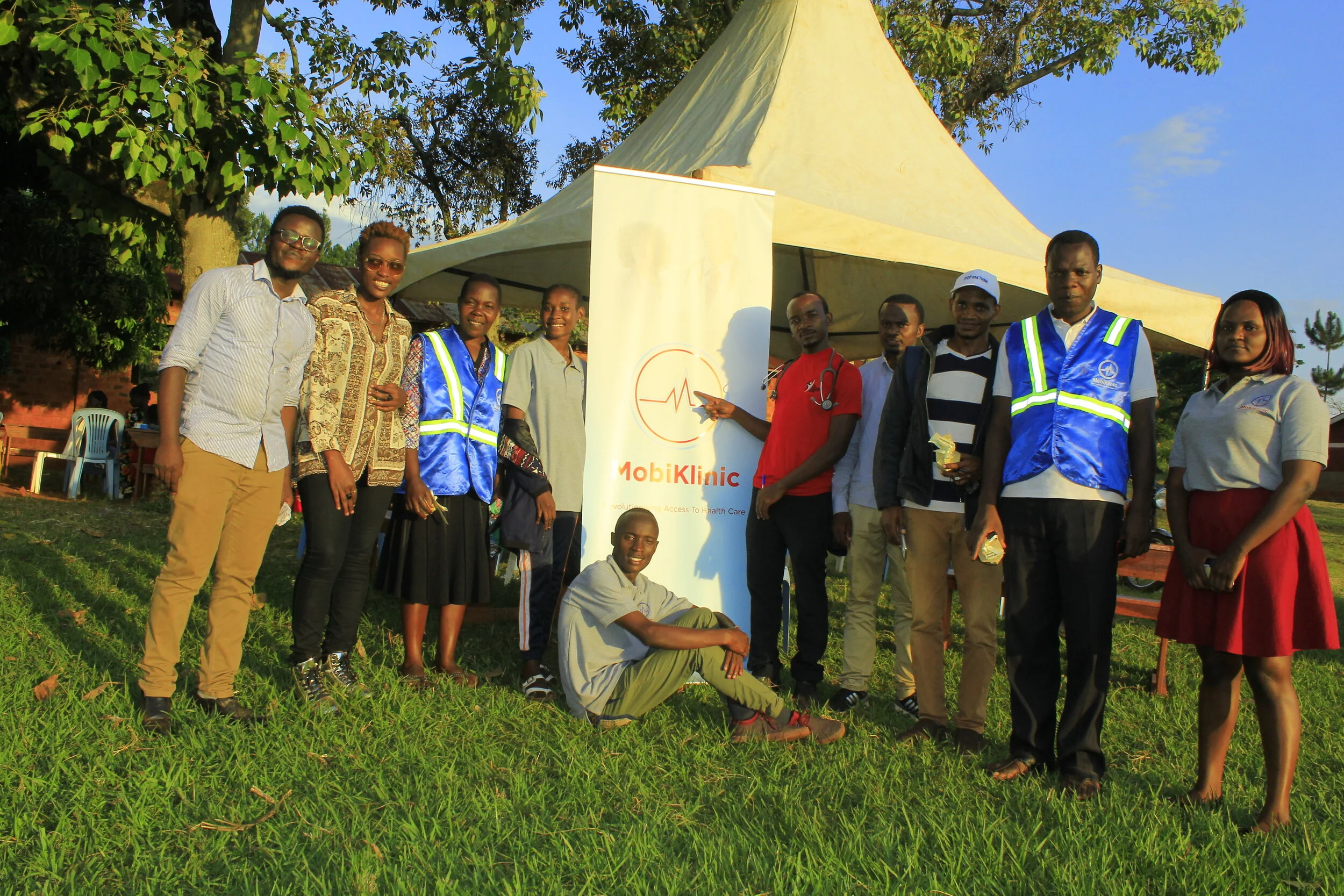
Mobiklinic
Mobiklinic distributes the self-injectable contraceptive Sayana Press to last mile areas of Uganda.
SAYANA PRESS CHALLENGE; UGANDA
PROVEN INTERVENTION TO BE DISTRIBUTED
Sayana Press injectable contraceptive.
Learn more about the Sayana® Press Challenge and why training health providers to administer Sayana® Press can be particularly valuable for women who prefer injectable contraceptives but don’t have regular access.
DISTRIBUTION MODEL INNOVATION
Mobiklinic distributes the self-injectable contraceptive Sayana Press to last mile areas of Uganda, beginning in Buikwe District, Eastern Uganda.
Mobiklinic trains and deploys Community Health Providers who will distribute Sayana Press and training to women. A custom digital platform allows Community Health Providers to send feedback and data to a central point, easing communication with the founding team.
Mobiklinic was started by Andrew Ddembe and Barbara Nabigambo. Andrew is a paralegal, innovator, social entrepreneur and health equity activist, and serves as the CEO of Mobiklinic. Barbara is an accountant and women’s health activist.
PILOT AND SCALING GOALS
Provide 1,000 women with access to Sayana Press and raise an additional $10,000 during the pilot
Reach 15,000 beneficiaries by the end of year 1
Reach 30,000 beneficiaries by the end of year 2
FOUNDING TEAM
Andrew Ddembe - Founder
Barbara Nabigambo - Co-Founder
HERWO
HERWO will utilize a peer-led model to ensure last mile delivery of self-injectable contraceptives to underserved populations.
SAYANA PRESS CHALLENGE; UGANDA

PROVEN INTERVENTION TO BE DISTRIBUTED
Sayana Press injectable contraceptive.
Learn more about the Sayana® Press Challenge and why training health providers to administer Sayana® Press can be particularly valuable for women who prefer injectable contraceptives but don’t have regular access.
DISTRIBUTION MODEL INNOVATION
HERWO will utilize a peer-led model to ensure last mile delivery of Sayana Press, a self-injectable contraceptive, to adolescent girls and young women in fishing communities of Mukono district Uganda. The model is unique because it will adopt a peer-led, youth-friendly model to reach out to adolescent girls and young women in fishing communities who have the highest unmet need for modern contraception.
HERWO was started in January 2020 by Monica Bagaya, Diego Izizinga and Timothy Ssebuliba.
PILOT AND SCALING GOALS
Provide 1,000 women with access to Sayana Press during the pilot
Train 100 PPMVs on Sayana Press communications and distribution during the pilot
Reach 5,000 beneficiaries by the end of year 1
Reach 12,000 beneficiaries by the end of year 2
FOUNDING TEAM
Bagaya Monica - Team Lead
Diego Izizinga - Programme coordinator
Timothy Ssebuliba - Programmes manager
CareNet
CareNet identifies fistula patients and coordinates their treatment in Uganda.
PATIENT IDENTIFICATION CHALLENGE; UGANDA

PROVEN INTERVENTION TO BE DISTRIBUTED
Using a mobile platform and community networks to identify obstetric fistula and transport patients to hospitals offering free services.
Learn more about the Patient Identification Challenge and why identifying individuals in need of medical treatment and finding ways to make that treatment accessible reduces poverty.
DISTRIBUTION MODEL INNOVATION
CareNet identifies fistula patients and coordinates their treatment in Uganda.
CareNet uses an intertwined model comprising a community-level multidisciplinary network of stakeholders supported by a mobile-based application and other digital technologies to: (a) increase awareness on fistula treatment, and (b) coordinate its delivery/distribution in rural communities in Uganda.
In this model, the community-level multidisciplinary network is an avenue for creating awareness on fistula repairs/treatment and identifying patients. The mobile-based application is an evidence-based mechanism for coordinating treatment of patients, and monitoring patterns of distribution and adoption of treatment services. The coordination of care and treatment involves organizing and providing financial or logistical support that fistula patients need so as to access free fistula repair services at specific health facilities in Uganda.
CareNet is founded by Agnes Nakakawa, Fiona Tulinayo, Ibrahim Mugerwa, Daniel Kasule, Linda Wandira, and Datsun Bazzeketa.
PILOT AND SCALING GOALS
Identify 100 fistula patients and connect them to treatment by the end of the pilot
Reach 640 fistula patients by the end of year 1
Reach 1,100 fistula patients by the end of year 2
FOUNDING TEAM
Agnes Nakakawa - Team Leader
Fiona Tulinayo - Manager, Strategic Information and Development
Ibrahim Mugerwa - Manager, Community Sensitization & Coordination of Treatment and Care
Daniel Kasule - Monitoring and Evaluation Specialist
Linda Wandira - Manager, Customer Relations, Operations & Finance
Datsun Bazzeketa - Software/App Developer
Mzima Health Access
Mzima Health Access serves to improve quality of life of community individuals through access to voluntary medical male circumcision to reduce the risk of HIV acquisition.
VMMC CHALLENGE; UGANDA

PROVEN INTERVENTION TO BE DISTRIBUTED
Voluntary Medical Male Circumcision (VMMC).
Learn more about the VMMC Challenge and why scaling up voluntary medical male circumcision can substantially reduce the rate of HIV acquisition for men, and also reduce the risk of transmission of high-risk human papillomavirus (HPV) to the men’s partners.
DISTRIBUTION MODEL INNOVATION
Mzima Health Access serves to improve quality of life of community individuals through access to voluntary medical male circumcision to reduce the risk of HIV acquisition.
Mzima Health Access uses a Village Health Team (VHT) model to create demand for VMMC services at the communities of Mubende District in Uganda. The project leverages a community structure obligated to create demand for health services at community level through end mile delivery and distribution of health products and services.
PILOT AND SCALING GOALS
Increase access to VMMC services to 200 Men during the three month pilot
Mobilize 15 Village Health Teams and 9 safe male circumcision champions (‘satisfied users’) to lead identification and promotion of VMMC
Fundraise an additional $11,000 USD from new donors or investors during the three month pilot
Reach 10,000 men by the end of year 1
FOUNDING TEAM
Catherine Amulen - Team Leader
Joan Nakirya - Project Coordinator
Juma Omala - Resource Mobilization Lead
Koi Koi Stories Uganda Limited
Through empowering traditional birth attendants, Koi Koi Stories increases community access to the lifesaving misoprostol drug to reduce post partum haemorrhage, the leading cause of maternal mortality among the rural underserved women of Moroto District, Uganda.
MATERNAL HEALTH CHALLENGE; UGANDA

PROVEN INTERVENTION TO BE DISTRIBUTED
Misoprostol.
Learn more about the Maternal Health Challenge and how the distribution of Misoprostol, a $3 drug that can prevent maternal deaths from postpartum hemorrhage, could save thousands of lives.
DISTRIBUTION MODEL INNOVATION
Through empowering traditional birth attendants, Koi Koi Stories increases community access to the lifesaving misoprostol drug to reduce post partum haemorrhage, the leading cause of maternal mortality among the rural underserved women of Moroto District, Uganda.
Moroto District has a very high maternal mortality rate at 420 deaths per 100,000 live births. Due to long distances to health facilities, most women die from postpartum hemorrhage in the communities as they try to deliver under the care of unskilled traditional birth attendants. Our model seeks to train traditional birth attendants on the appropriate use of misoprostol (an approved low cost uterotonic drug), and create linkages for them with the health facilities to allow them access the drug supplies and appropriately and timely administer these drugs at community level to save the lives of mothers and their newborns.
PILOT AND SCALING GOALS
Reach 1,680 women during the pilot phase
Raise $10,000 of funding during the pilot phase
Train 5,000 Traditional Birth Attendants by the end of year 2
Reach 50,000 women by the end of year 2
FOUNDING TEAM
Bryan Innocent Tumusiime - Team Lead
Mary Ajwang - Project Coordinator
Precious Mutoru Kerunga - M&E Officer
Dinnah Odonya - Field Trainer
Abigail Antwi - Founding Member
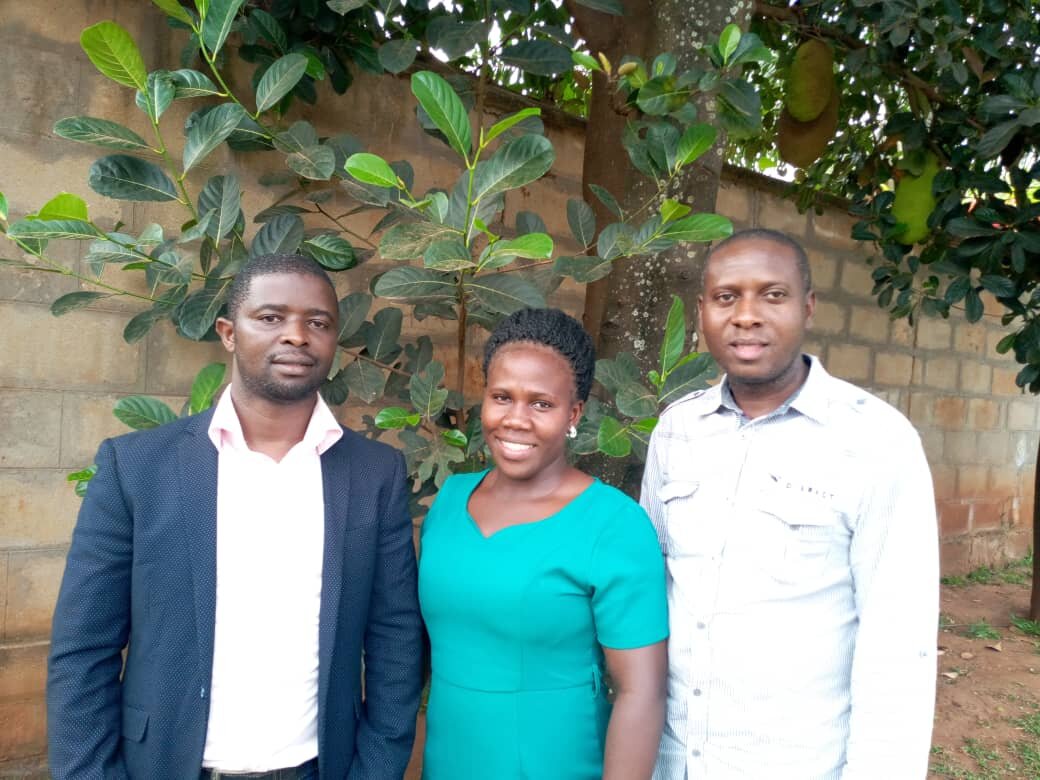
SoBz Energy Limited
SoBz Energy Limited will distribute life changing solar lamps to rural communities in Uganda.
SOLAR LAMP CHALLENGE; UGANDA
PROVEN INTERVENTION TO BE DISTRIBUTED
Solar Lamps.
Learn more about the Solar Lamp Challenge and how these lamps create enormous benefits for developing world families.
DISTRIBUTION MODEL INNOVATION
SoBz Energy will utilize a network of boda (motorcycle) riders to distribute solar lights to hard to reach communities. The Venture will identify the boda riders, train them in solar marketing, functioning, and simple troubleshooting and roll them out to sell solar lamps to the rural customers. The venture will also carry out customer screening, especially of those buying on credit, to determine credit readiness, and then determine repayment method. The venture also will conduct field visits to customers to assess their experience with the lamps, gather impact stories, and issue repayment reminders. The venture will initially operate in Mubende district in Western Uganda, with plan to scale to the neighboring communities.
SoBz Energy’s co-founders all have experience in Uganda’s renewable energy sector. Noah Ssempijja, the Managing Director, worked with Fenix International as a Customer Field Support Manager. Florence Nabukenya, the Customer Support Manager, previously supported Fenix International’s customer call center in Uganda. And Denis Mulangwa, the Operations Director, previously worked as Head of Customer Care and Credit at Solantis Solar Uganda.
PILOT AND SCALING GOALS
500 lamps distributed over the first three months, reaching 3,000 people
39,000 people reached by the end of Y1
99,000 people reached by end of Y2
FOUNDING TEAM
Noah Ssempijja - Co-founder, Managing Director
Denis Mulangwa - Co-founder, Operations Director
Florence Nabukenya - Co-founder, Customer Support Manager
Health Support Initiatives
Health Support Initiatives contributes to the reduction of morbidity, mortality and disability due to preventable diseases by incentivizing parents and caregivers to bring children to health facilities for immunizations.
IMMUNIZATION CHALLENGE; UGANDA

PROVEN INTERVENTION TO BE DISTRIBUTED
Routine childhood immunizations.
Learn more about the Immunization Challenge and how increasing routine childhood immunization rates in low-coverage areas could prevent millions of childhood deaths.
DISTRIBUTION MODEL INNOVATION
Health Support Initiatives contributes to the reduction of morbidity, mortality and disability due to preventable diseases by incentivizing parents and caregivers to bring children to health facilities for immunizations.
The model is centered on Conditional Cash Transfers that incentivize parents and caregivers to bring their children for immunization services at local health facilities. This project will be implemented in Mayuge District's fishing island communities, which have very low immunization rates. Immunization focal point persons will conduct outreach camps to identity children eligible for immunization.
PILOT AND SCALING GOALS
Immunize 500 children in first three months
Train 64 community health workers and 12 immunization focal point persons in first three months
POST-PILOT UPDATE
Measles is one of the leading causes of outbreaks among the vaccine preventable diseases. In Uganda, measles vaccine is the last vaccine to be received for completion of the immunization schedule at 9 months of age. In Uganda the coverage rate for fully immunized child is at 52%.
In the pilot, we sought to improve immunization completion rates in Mayuge District, which has one of the worst immunization indicator scores in Uganda and suffered chronic measles outbreaks. The project implemented a conditional cash transfer through a transport voucher scheme blended with dynamic community outreaches among hard-to-reach populations for the catchment population of Malongo Health center III, Mayuge district, Uganda. This facility was chosen because it has highest number of unimmunized children (2,068) and low measles coverage rates at 39%. The transport vouchers targeted children that had missed the measles vaccination while the outreaches were generalized.
During the three-month pilot, over 4,000 were reached with immunization services and 1,900 children completed their immunization schedule thus the total number of unimmunized children reduced by 94%. In addition, the annualized measles coverage increased by 18% within duration of three months.
FOUNDING TEAM
Pamela Bakkabulindi - Executive Director
Esther Anyimo - Program Coordinator
Julius Kirya - Monitoring and Evaluation Officer
Mary Etit - Finance Manager
Local Links Limited
Local Links promotes renewable energy products through community-based rural financial services structures, known as savings groups. These groups form Local Links target market in rural Uganda and are a platform for the business model.
SOLAR LAMP CHALLENGE; UGANDA

PROVEN INTERVENTION TO BE DISTRIBUTED
Solar Lamps.
Learn more about the Solar Lamp Challenge and how these lamps create enormous benefits for developing world families.
DISTRIBUTION MODEL INNOVATION
Local Links promotes renewable energy products through community-based rural financial services structures, known as savings groups. These groups form Local Links target market in rural Uganda and are a platform for the business model.
There are more than 2,000 Village Agents that support these rural financial groups in Uganda. They provide an excellent opportunity for social entrepreneurship at the last mile. These are Local Links Solar Corps, Local Links’ last mile field salesforce for social products. By working with about 200 Solar Corps during this pilot, Local Links is able to make at least 1,000 sales of solar lanterns and/or solar home systems per month – at least 12,000 units a year, at optimal level. There are more than 125,000 homes served by groups that Local Links Solar Corps are working with; an immense market.
PILOT AND SCALING GOALS
Recruit and train 200 solar corps during the pilot phase
Distribute 1,000 lamps per month during the pilot phase
FOUNDING TEAM
Anthony Oundo Mang’eni - Fonder and Chief Executive Officer
Betty Among Bennadine - Business Development Officer
Ruth Omongole - Area Team Lead, Teso Zone
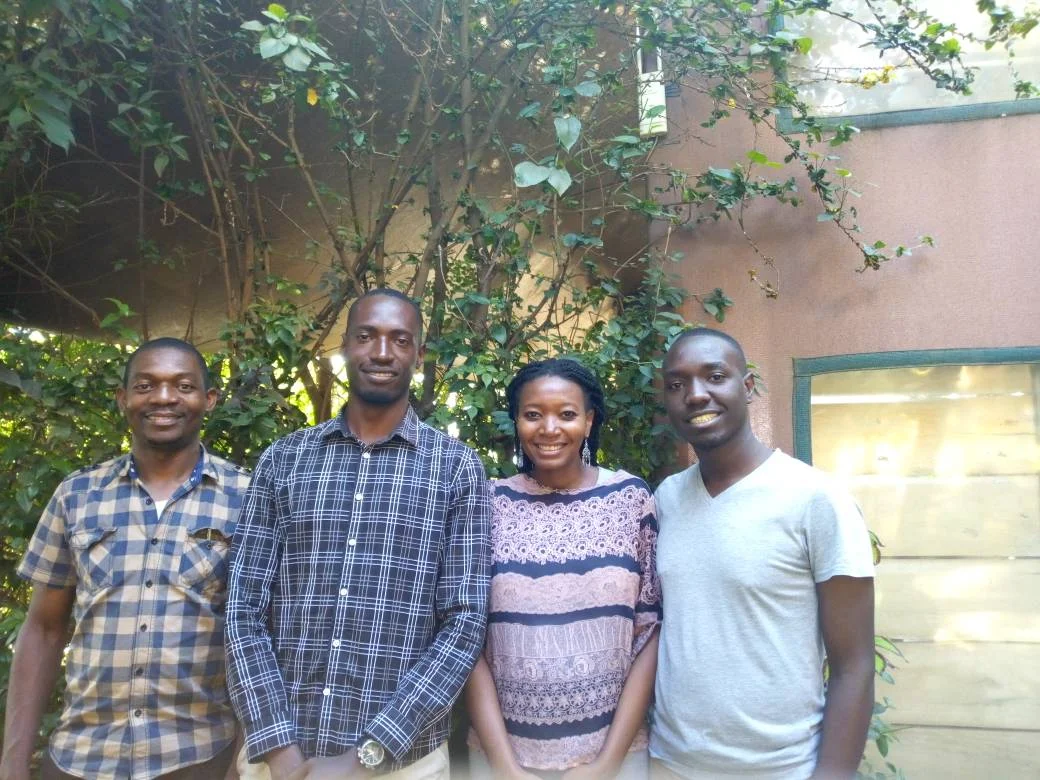
Community Health Movement Uganda
Community Health Movement Uganda will take a two-pronged approach. First, they will raise awareness about VMMC in rural communities with local populations and among front line health workers who can refer patients to health facilities. Next, they will train both front line health workers and health workers in health facilities to support VMMC uptake.
VMMC CHALLENGE; UGANDA
PROVEN INTERVENTION TO BE DISTRIBUTED
Voluntary Medical Male Circumcision.
Learn more about the VMMC Challenge and why scaling up voluntary medical male circumcision can substantially reduce the rate of HIV acquisition for men, and also reduce the risk of transmission of high-risk human papillomavirus (HPV) to the men’s partners.
DISTRIBUTION MODEL INNOVATION
Uganda remains a priority country for VMMC with low circumcision prevalence. Between 2011 and 2015, the percentage of circumcised men aged 15 - 49 years increased from 26% to 43%. However, in the northern districts of Uganda, the prevalence remains at 14%. The HIV rate in the same region is 7.2%.
The lower numbers of men accessing VMMC services is attributed to the weak links between newly identified clients and facilities, inadequate staff and capacities resulting in missed opportunities, and inadequate counseling. There is a need to further create demand for VMMC services to reach the target communities.
Community Health Movement Uganda will take a two-pronged approach. First, they will raise awareness about VMMC in rural communities with local populations and among front line health workers who can refer patients to health facilities. Next, they will train both front line health workers and health workers in health facilities to support VMMC uptake. The project will employ the approach of utilizing female health promoters who are well-respected within their communities to create demand for VMMC services with tailored messaging.
In the pilot phase, Community Health Movement reached 200 men with VMMC services. Leveraging on the key lessons learned Community Health Movemement has been able to scale up VMMC interventions in 10 health facilities out of the 25 facilities in the intervention districts.
PILOT AND SCALING GOALS
Increase access to VMMC services to 200 men during the pilot
Train 40 health workers to administer VMMC services
Reach 10,000 men with VMMC services by the end of year 2
FOUNDING TEAM
Ronald Tibiita - Executive Director
Richard Kagimu - Project Manager
James Kaggwa - Monitoring and Evaluation Officer
Tracy Kobukindo - Finance Officer
Bronze Health Care Initiative
Bronze Health Care Initiative will scale up last mile distribution of Sayana press in rural Uganda giving women more power to choose when to have and when not to have children.
SAYANA PRESS CHALLENGE; UGANDA


PROVEN INTERVENTION TO BE DISTRIBUTED
Sayana Press injectable contraceptive.
Learn more about the Sayana® Press Challenge and why training health providers to administer Sayana® Press can be particularly valuable for women who prefer injectable contraceptives but don’t have regular access.
DISTRIBUTION MODEL INNOVATION
Bronze Health Care Initiative will scale up last mile distribution of Sayana press in rural
Uganda giving women more power to choose when to have and not have children.
The Bronze Health Care Initiative team will import their own stock of Sayana Press into Uganda through a partnership with Pfizer Inc. Once purchased, the stock of Sayana press will be verified at the customs by Uganda revenue authority, then taken to the main store where it is counted, recorded in stock cards and stored. Then it will be distributed to various district stores managed by community based distribution facilitators (CBDFs) who are employees of Bronze. These CBDF's are area managers who will oversee a network of pharmacy store owners (also known as Community Based Distributors or CBDs) in their region. It will be the CBDF's job to coordinate the distribution of Sayana Press from the main Bronze office to each CBD or partner pharmacy across four regions of Uganda. It will also be the responsibility of the CBDF to conduct trainings on Sayana Press for each CBD and community health worker who will make the injectable contraceptive available in last mile communities.
PILOT AND SCALING GOALS
Distribute 600 Sayana Press units by the end of the pilot
Train 400 community based distributors in four districts by the end of year 1
Distribute 26,000 units by the end of year 1
Reach over 100,000 clients by the end of year 1
FOUNDING TEAM
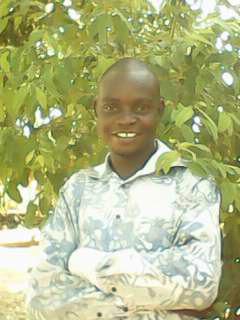
Samuel Sanya Wafula - Executive Director
Bonvic Okuku Obanda - Inter-personal Communication Officer
Daniel Mawerere - Pharmacist
Tado Lamp
Tado Lamp proposes a model for selling solar lamps that not only leverages flexible payments made possible by mobile technology but also ensures a decentralized distribution model.
SOLAR LAMP CHALLENGE; UGANDA

PROVEN INTERVENTION TO BE DISTRIBUTED
Solar lamps.
Learn more about the Solar Lamp Challenge and how these lamps create enormous benefits for developing world families.
DISTRIBUTION MODEL INNOVATION
Uganda’s Rural Electrification Agency (REA) has been tasked with achieving a 51% energy coverage by 2030 against the current 10%, the focus has mostly been on grand / bigger scale implementations that often are not practical for the common man. This has also been coupled with a large dispersed, and poor rural population who often cannot afford government interventions even when subsidies are applied.
Tado Lamp proposes a model for selling solar lamps that not only leverages flexible payments made possible by mobile technology but also ensures a decentralized distribution model. The goal is to partner with and empower local entrepreneurs to act as sales and support agents, ensuring that sales are closed in record time and that support is rendered in a timely manner.
Particularly, Tado Lamp will institute a payment plan for solar lamps that allows for daily and weekly payments over a two month period through mobile money and readily available agents. They will also partner with local schools and health care institutions to provide discounts on services offered that are paid for indirectly through repayments.
PILOT AND SCALING GOALS
- Distribute 600 solar lamps during the pilot
- Distribute 10,000 solar lamps at the end of year 1
- Distribute 50,000 lamps at the end of year 2
FOUNDING TEAM
Joseph Kaizzi - Team Lead
Paul Kabaale - Training and Technical Support Lead
Maureen Mudondo - Monitoring and Evaluation Lead
Sarah Kuliva - Facilitator and Program Lead
Dwokcan Ikweri Agro Processing Limited
Our model is based on a Village Agent agro-input distribution model having four stakeholders: seed producers/companies, a master distributor (DIAPL), Village Agents, and maize producer households.
QUALITY SEED CHALLENGE; UGANDA

PROVEN INTERVENTION TO BE DISTRIBUTED
High-quality maize and soybean seeds.
Learn more about the Quality Seed Challenge and why an evidence-based model that distributes high-quality seeds could reliably boost the standard of living for smallholder farmers.
DISTRIBUTION MODEL INNOVATION
On average, 31.1% of farmers in Uganda use improved seeds. Inadequate access due to poor distribution networks in rural farming communities, high prices, and inadequate production knowledge are some key reasons limiting adoption and use of improved seed varieties. Local seed dealers are found in town centers and do not provide training on agronomic practices thus, farmers usually do not achieve maximum output. Maximum yields can only be achieved with better agronomic practices including timely planting, correct spacing, maximum plant population, timely weeding, and timely and correct application of fertilizer.
The Dwokcan Ikweri Agro Processing Limited model will improve distribution of improved maize and soybean seed varieties in suitable packages with high quality seeds at affordable prices for smallholder farmers in northern Uganda. Links will be established with national and international seed producers to enable seed acquisition and distribution to farmers. Two distribution sites will be established in the chosen sub counties to ensure ease of access by smallholder farmers in these regions. Trainings will be conducted for the producing farmers to build on their knowledge and skills in maximizing production and productivity. Along with trainings and a radio program to raise awareness, 18 demonstration centers will be established in order to show better farming practices and conduct various trainings, focusing on the use of fertilizer in conjunction with improved seeds.
PILOT AND SCALING GOALS
- Distribute improved seeds to 40 farmers by the end of year 1.
- Distribute 2,400 Kg of seeds to 240 farmers by the end of year 2.
- Distribute maize and soybean seeds to 3,780 households in one district of Uganda within 5 years
- Distribute maize and soybean seeds to 10% (13,951) of the households in three districts within 10 years
FOUNDING TEAM
Bua Samuel - Agronomy Manager
Amolo Herbert - Business Manager
SEMA
SEMA - a Swahili word meaning “speak! what’s up,” is an SMS chatbot that facilitates citizen feedback about public institutions and public service delivery. Through SEMA citizens engage in an instant, direct, and interactive text conversation with an institution shortly following their encounter with an office.
TRANSPARENCY CHALLENGE; UGANDA

PROVEN INTERVENTION TO BE DISTRIBUTED
An SMS chatbot that facilitates citizen feedback about public institutions and public service delivery.
Learn more about the Transparency Challenge and how citizen reporting platforms can be used to hold government officials accountable and reduce corruption.
DISTRIBUTION MODEL INNOVATION
SEMA is a data-driven non-profit enterprise committed to improving service delivery across Uganda's public sector. Our real-time feedback systems empower diverse institutions, including police stations, health centers, and municipalities, to gather actionable insights directly from citizens. Committed to transparency, we rigorously analyze this data to drive evidence-based decision-making and continuous improvement.
PILOT AND SCALING GOALS
User feedback experiments run with 2 public institutions during the pilot phase
SMEA app is created and tested with 15-20 individuals during the pilot phase
SEMA will be launched with 5 public institutions at the end of the pilot with 1,000 public feedback submissions gathered
10,000 public submissions made at the end of 6 months
Receive 100,000 submissions by the end of year 1
Expand to two other cities in Uganda by the end of year 1
Expand to 40 public institutions receiving feedback by the end of year 2
FOUNDING TEAM
Nathalie Dijkman - Chief Executive Officer
Connor Sattely - Chief Technical Officer
Timothy Kakuru - Community Manager
Bakulu Power
Bakulu Power seeks to distribute improved cook stoves and more affordable clean
fuels on islands on Lake Victoria.
COOK STOVE CHALLENGE; UGANDA

PROVEN INTERVENTION TO BE DISTRIBUTED
Efficient cook stoves.
Learn more about the Cook Stove Challenge and how clean cook stoves reduce health and safety risks, lower fuel expenses, and help reduce poverty.
DISTRIBUTION MODEL INNOVATION
The islands of Lubya, Namiti, and Kirewe in the Buvuma district of Lake Victoria are home to 8,300 people. Many of these families use charcoal for cooking, with only a few still using firewood. The islands, which were once naturally forested, now have no trees; all cooking fuel is transported in from the mainland by boat. Prices are increasing due to shortages of fuel on the mainland.
The pilot distribution of efficient cook stoves will take place on these three islands before the business is scaled to include 16 other islands which lie within a 50km radius. Two types of stoves will be distributed: the mini moto stove, a forced air gasifier stove targeted to businesses, and the Awamu Top Lit Updraft (TLUD) gasifier stove, targeted to households. The customer will have several payment options. One option being to pay a 50% down payment for the stove as well as sign an agreement to buy a minimum of 35kg of bio pellets produced by Bakulu Power per month. The balance of the stove cost would be paid over a period of four months from the fuel savings achieved from using the stove.
Bakulu Power will also set up a small biomass pellet plant which will create pellets as fuel for the cook stoves out of maize stovers and sugar cane bagasse from sugar processing factories. Pellets will be sold to vendors who will then sell them at the retail price. Part of the profit margin from the biomass pellets will be reinvested to procure more stoves.
PILOT AND SCALING GOALS
- Purchase of pellet mill, purchase and delivery of stoves, purchase of land before the pilot
- Sign MOUs with women's groups for 3 vendors on each island during pilot phase
- Sell 180 tons of pellets in 6 months
- Sell 1,348 stoves by the end of 6 months
- Sell 20,000 stoves by the end of year 2
FOUNDING TEAM
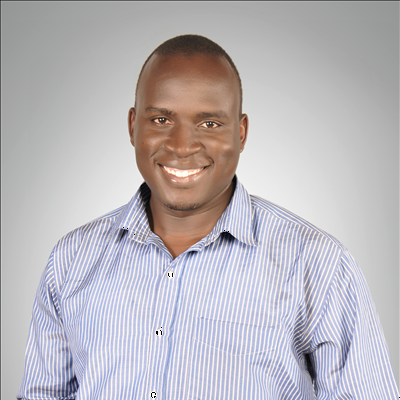
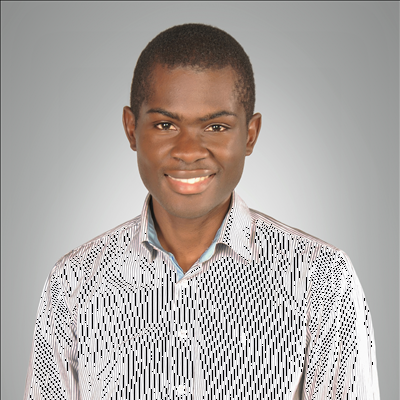
Lucia Bakulumpagi-Wamala - Chief Executive Officer and Co-founder
Richard Sseruwagi - Chief Technical Officer and Co-founder
Moses Angeny - Technical Officer and Co-founder
Every Child Matters
Every Child Matters aims to address the widespread prevalence of clubfoot, a debilitating physical deformity that leaves 1.19/1000 newborns in Uganda with inverted feet, and which, if left untreated, causes significant disability.
PATIENT IDENTIFICATION CHALLENGE; UGANDA


PROVEN INTERVENTION TO BE DISTRIBUTED
The Ponseti method is a painless, fast, cost-effective, and reliable method for correcting clubfoot without surgery.
Learn more about the Patient Identification Challenge and why identifying individuals in need of medical treatment and finding ways to make that treatment accessible reduces poverty.
DISTRIBUTION MODEL INNOVATION
Clubfoot is a debilitating physical deformity that leaves 1.19 out of 1,000 newborns in Uganda with inverted feet, which, if left untreated, causes significant disability. Clubfoot remains a challenge in Uganda because of lack of information about the condition, failure to detect the deformity at birth or early infancy, and limited capacity within the health system to provide correct and affordable treatment.
Every Child Matters has devised a three-pronged approach:
- Raise awareness about clubfoot in rural communities
- Train health workers to identify clubfoot and make proper referrals for treatment
- Train orthopedic doctors in the Ponseti method
PILOT AND SCALING GOALS
- Identify 225 patients with clubfoot, refer them for treatment, conduct follow-up
- Train 20 village health teams and 20 traditional birth attendants from 10 villages to ID patients
- Write 3 proposals for follow-on funding
FOUNDING TEAM
Daisy Nakasi
Mathias Mulumba
Lillian Nakisozi
Emily Ausubel
Pollicy
Pollicy, founded by Neema Iyer, believes in the power of data to revolutionize how governments deliver services to their citizens. The venture will use multiple accessible digital
TRANSPARENCY CHALLENGE; UGANDA
PROVEN INTERVENTION TO BE DISTRIBUTED
Data gathering platform to improve the provision of waste management services.
Learn more about the Transparency Challenge and how citizen reporting platforms can be used to hold government officials accountable and reduce corruption.
DISTRIBUTION MODEL INNOVATION
Pollicy believes in the power of data to revolutionize how governments deliver services to their citizens. The venture will use multiple accessible digital tools to create demand generation and feedback mechanisms between citizens and districts to improve the provision of waste management services. An open dashboard will present the visualized data to the district government for rapid decision-making, budgeting, planning and resource allocation
PILOT AND SCALING GOALS
10,000 citizens reached during the pilot phase
3 digital channels created during the pilot phase
FOUNDING TEAM
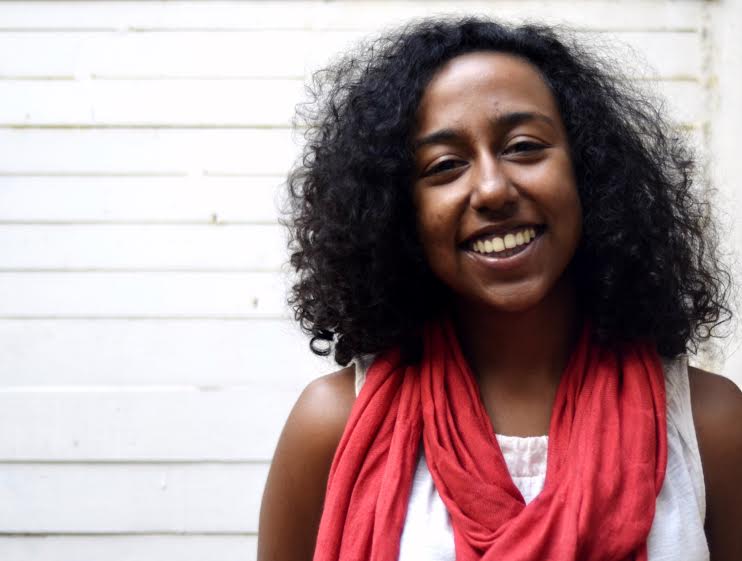
Neema Iyer - Founder
SMS Maama
Approximately 1 in 44 women in Uganda will die from pregnancy related complications throughout their lifetimes. SMS Maama is an automated text messaging service for pregnant
PATIENT IDENTIFICATION CHALLENGE; UGANDA

PROVEN INTERVENTION TO BE DISTRIBUTED
Automated text messaging service for pregnant women to screen for potential complications.
Learn more about the Patient Identification Challenge and why identifying individuals in need of medical treatment and finding ways to make that treatment accessible reduces poverty.
DISTRIBUTION MODEL INNOVATION
Approximately 1 in 44 women in Uganda will die from pregnancy related complications throughout their lifetimes. SMS Maama is an automated text messaging service for pregnant women in Uganda that harnesses mobile technology to send health information and screen for these potential pregnancy related complications before they become more serious. As an organization, we believe every woman has the right to information and the right to receive respectful maternity care. By providing access to this necessary health information, SMS Maama works to empower women and serve as a modern addition to pregnancy healthcare in Uganda.
PILOT AND SCALING GOALS
FOUNDING TEAM
Katelyn Pastick - Founder
Nicole Stephens - Founder
Meg Burman - Founder
Sonja Ausen-Anifrani - Founder
Are you ready to be the next great social entrepreneur?