Kuisi
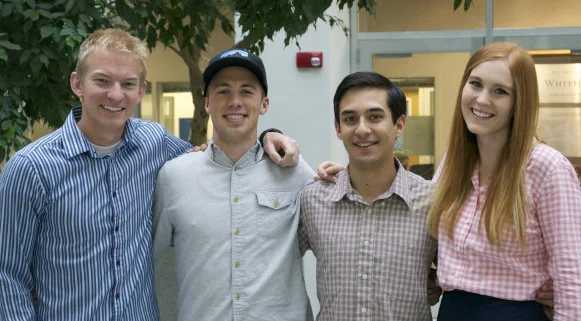
BYU students Dane, Bronwen, Ryan, and Spencer are working with Uganda's Minister of Health to improve praziquantel distribution, a deworming medicine.
PRAZIQUANTEL CHALLENGE; UGANDA
PROVEN INTERVENTION TO BE DISTRIBUTED
Praziquantel, a de-worming drug.
Learn more about our current distribution challenges and why we focus on interventions that are proven to impact lives.
DISTRIBUTION MODEL INNOVATION
Kuisi will use mandatory teacher training meetings to train on, inform about, and mass distribute praziquantel, a deworming medicine, to high-risk areas in rural Uganda. Their strategy expands on the tried and tested school distribution model in several ways. First, they plan to distribute praziquantel through district wide, multi-purpose, teacher conferences. In addition to training the teachers on schistosomiasis and the distribution of praziquantel, they want to train the teachers on additional health and sanitation issues, as well as improved teaching methodologies. Kuisi has communicated with four additional institutions (UNESCO, Cherish Uganda, Africa Teacher Foundation, and TASO) that are already conducting teacher trainings and who are eager to provide additional information regarding their initiatives.
Kuisi addresses cost-effectiveness through incorporating overhead costs into school fees. These fees would go to pay for overhead costs and future scaling of the project. Currently the average school expenditures for primary and secondary schools respectively is $11.04 and $93.49 per student per year. If unable to work through public schools, they plan to increase the fees for private schools to make up the difference. Uganda has one of the highest percentages of students attending private schools. The initial pilot will gauge exactly how feasible school fees are, how much money we can receive, and how long-term they can last.
PILOT AND SCALING GOALS
Deworm 50,000 children in the first month and a half
Treat over 5 million people by the end of year 2
FOUNDING TEAM
Bronwen Dromey
Dane Andersen
Ryan Thomas
Spencer Anderson
Claire de Lune
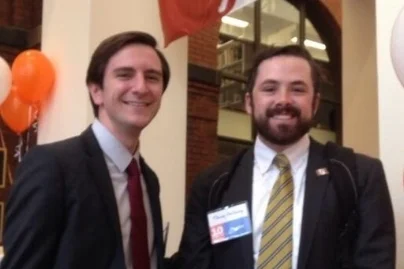
Andrew and Tommy are launching Claire de Lune. They will distribute solar lighting to untapped markets in Burkina Faso. They reach rural families by leveraging bus routes and
SOLAR LAMP CHALLENGE; BURKINA FASO

PROVEN INTERVENTION TO BE DISTRIBUTED
Solar lamps.
Learn more about the Solar Lamp Challenge and how these lamps create enormous benefits for developing world families.
DISTRIBUTION MODEL INNOVATION
Evidence suggests that remittances play an important role in African culture (remittances continue to be a large component of M-Pesa's mobile money transfer business), with poor households receiving a percentages of their monthly income from both international and domestic remittances. Claire de Lune will tap into this market by targeting customers who are wealthier, employed individuals living in regional capitals with rural family members. These customers will be incentivized through promotions and deals that will allow them to purchase solar lights for rural family members and use the well-established bus routes to ship the lights to their families.
Claire de Lune will employ pull marketing by exposing rural communities to the benefits of the lights in order to build demand. The campaign will revolve around getting poorer, rural households to take action by asking wealthier family members for solar lights sold at bus stations, mirroring the current cash or in-kind remittance distribution network. Claire de Lune will build a distribution network of private bus companies that have an international or national bus route; they will help with logistics, product storage in existing and secure storage facilities, and demonstrate customer value through product integration. Bus stations and rural bust stops will serve as demonstration centers to show the lights to create work of mouth marketing and to show off the product benefits to those customers including cell phone charging, brighter lighting, and long-term affordability.
PILOT AND SCALING GOALS
Sell 400 solar lamps during the pilot phase
Sell 3,000 solar lamps by the end of 6 months
Work with 3 partner bus lines by the end of 6 months
Ship 50% of products to rural destinations by the end of year 1
Sell 8,000 solar lamps by the end of year 1
Partner with 8 bus lines by the end of year 1
FOUNDING TEAM
Andrew Lala - Co-Founder
Tommy Galloway - Co-Founder
Are you ready to be the next great social entrepreneur?