Asepsis
Asepsis will implement a highly integrated and sustainable system that resolves the problem of waste collection in urban slums. Using a lowcost and durable squat toilet, they
CUSTOM CHALLENGE; INDIA
PROVEN INTERVENTION TO BE DISTRIBUTED
Low cost and durable squat toilets.
Learn more about the Custom Challenge and why we only fund ideas that focus on distributing proven poverty interventions.
DISTRIBUTION MODEL INNOVATION
The sanitation crisis in India is one of massive proportions and the situation is particularly pronounced in Dharavi - one of the world's largest slums - right outside of Mumbai. With approximately one toilet for every 1,1440 people, it is not surprising that upwards of 4,000 cases of disease are reported every day.
The goal is to design a fifteen gallon cylindrical toilet - similar in shape and design to the Well WaterWheel, but with an airtight seal to repel odor and lined with a bio-plastic bag - to be distributed to Dharavi families. The toilet, once filled, will be taken to central collection site to be emptied, cleaned, and returned for continuous use. The waste will them be sold to a local sanitation company that turns it into compost. For every barrel returned, the family will receive 1/3 of the price the waste is sold for, providing an economic incentive for doing so. The other 2/3 of the profit will be used to maintain and expand our operations.
Community hubs that receive these toilets will be an essential forum for allowing partner NGOs a chance to distribute vaccines and health care to Dharavi residents. To determine the location for these sites, Asepsis will team up with the Development Planning Unit of University College London which has pinpointed certain "catalytic sites" within the slum. Using this as reference will ensure that our system is easily integrated into Dharavi.
PILOT AND SCALING GOALS
Prototyping toilet design and establishing network during the first 6 months
Create 1 community hub and distribute 100 toilets to pre-approved families during the pilot phase
Distribute 400 more toilets by the end of year 2
FOUNDING TEAM
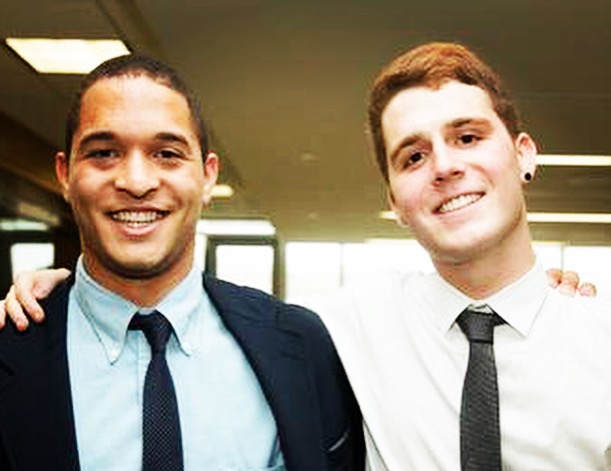
Evan Young - Co-Founder
Mas Obuz - Co-Founder
Breakfast Revolution
India faces a silent malnutrition epidemic: ~40% of its children are malnourished leading to ~50% of all child deaths and 2-3% loss to India's GDP. The Breakfast Revolution aspires
CUSTOM CHALLENGE; INDIA

PROVEN INTERVENTION TO BE DISTRIBUTED
Nutritious foods and other essential nutrition interventions for those facing malnutrition.
Learn more about the Custom Challenge and why we only fund ideas that focus on distributing proven poverty interventions.
DISTRIBUTION MODEL INNOVATION
The problem of malnutrition is more common in India (~43%) than in Sub Saharan Africa (~26%). Anemia (low levels of hemoglobin) affects 74% children in India under 3 years, more than 90% of adolescent girls and 50% of women. More than 50% of all childhood deaths in India are attributed to malnutrition. The Breakfast Revolution tackles micronutrient (vitamins and minerals) and protein deficiency in children, adolescents and women from the poorest communities by leveraging proven interventions of food fortification, deworming, and vitamin A prophylaxis. To successfully distribute their fortified products, The Breakfast Revolution ensures they are low-cost, tasty, easily accessible, and evidence based. Their products are:
Supercookie: Cookies made of whole wheat and oats, fortified with 70 -100% RDA of vitamins A, D, Calcium, Iron, Folic Acid, naturally rich in protein and fiber.
Supermilk: Vitamin A and D fortified, organically produced soy milk
Suberbeans: Air-roasted and flavored soybeans, intrinsically rich in protein
Superdrink: Similar to tang, fortified with vitamins C and B complex and electrolytes
The manufacturing is outsourced to Indian FDA-approved manufacturers and The Breakfast Revolution focuses on behavior change communication, distribution, and monitoring and evaluation. Consumers / beneficiaries are put on a program that begins with a baseline health evaluation, deworming and vitamin A prophylaxis, and 3-6 months of our food products 3-5 times a week. Health evaluations are repeated 3-6 times monthly. The Breakfast Revolution will utilize several distribution channels including selling directly to consumers through female entrepreneurs based in slums, selling products to NGOs offering meal programs, and through public-private partnerships with government nutrition programs to get their fortified products to the people who need them on a mass scale.
PILOT AND SCALING GOALS
Serve 1,400,000 meals in the first year
Reach 60,000 beneficiaries in 2 years
FOUNDING TEAM
Neelam Jethwani - Co-founder, Chief Operating Officer
Dr. Pankaj Jethwani - Co-founder
Manasvini Mehta - Director, Business and Micro-Franchise Development
sharEd
sharEd is improving early education in low-income communities in India by making high-quality educational curricula and resources accessible through an innovative new sharing model.
FLIPPED CLASSROOM CHALLENGE; INDIA
PROVEN INTERVENTION TO BE DISTRIBUTED
High-quality educational curricula and resources.
Learn more about the Flipped Classroom Challenge and why new education models, like flipping the classroom or deskilling a class curriculum, offer a solution to the vast teacher shortages in the developing world.
DISTRIBUTION MODEL INNOVATION
In low-income preschools across the globe, teachers stand in front of classrooms of 3 and 4-year-olds without any training in early childhood education (ECE) and without any materials to aid in play-based learning. Furthermore, low-income schools in countries like India and Bangladesh can't afford expensive, privately published curricula or the games and toys needed for age-appropriate instruction, so teachers make up lessons as they go. By lowering the cost of these materials through a subscription-based sharing model, sharEd operates as a solution provider to the affordable preschool market in India, helping schools to deliver quality education at a fraction of the cost.
Research has shown that quality preschool curricula, like Creative Curriculum, with structured step-by-step instructions can be an effective intervention even when run by an untrained teacher or facilitator. However, these products are too expensive for most schools. We realized that preschools using these products only use a fraction of their physical materials at any given time, while the rest sit on the shelf. With sharEd, instead of paying thousands of dollars to buy materials, schools can access quality resources immediately by renting one new learning unit each month for as low as $10. When schools subscribe, they get access to monthly themed lesson plans with structured activities, quality story books, and all the play materials they need for that unit.
Schools that subscribe to sharEd become part of a community of local teachers who meet every month. At monthly meetings, sharEd teachers return their materials, get a new themed lesson plan, and receive training in early education best practices and classroom management.
In order to reach customers, sharEd will leverage a two-pronged approach.
1. A top-down approach, targeting large groups of schools which are run through a public-private partnership with other non-profits and NGOs and the Indian government. These schools will pay no fee.
2. A bottom-up approach, targeting the fragmented private school market through a grassroots movement. The strategy will leverage sharEd's local teacher trainers to identify and sign up schools for a minimal monthly fee.
sharEd will operate in local markets by contracting experienced, trained teachers to rent out the materials and run monthly training sessions. These employees will be recruited by the Regional Program Director and paid a competitive rate to run training sessions.
PILOT AND SCALING GOALS
Onboard 20 preschools and reach approximately 600 children
2016-2017 school year will collect valuable feedback from pilot schools to improve the product and onboard 60 additional schools for the next school year
In 2017, scale to 80 classrooms and provide quality early education to another 2,400 children
In two years, provide quality early education to over 12,000 children and empower teachers wtih 3,300 total hours of training
In 2018, scale to 300 schools
FOUNDING TEAM
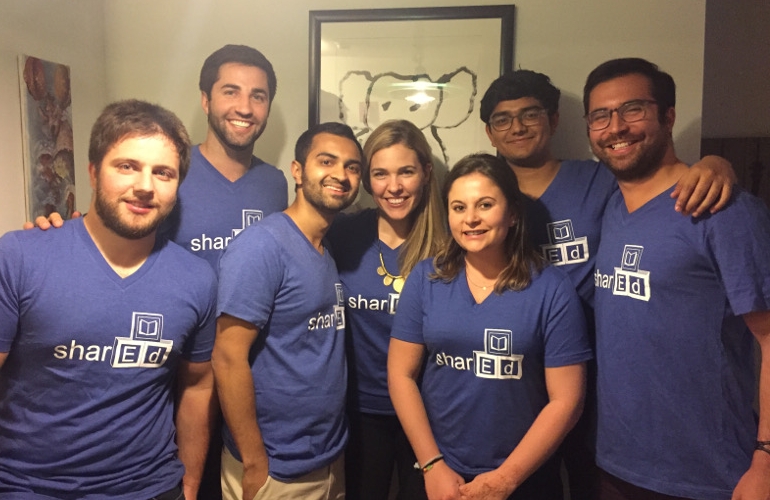
Bobby Powers - Chief Executive Officer
Nihar Shah - Chief Financial Officer
Kate Geremia - Chief Marketing Officer and Chief Procurement Officer
Derrick Wolbert - Chief Information Officer
Are you ready to be the next great social entrepreneur?