Elevate Health Uganda
Elevate Health Uganda is a community-based organization that aims to improve uptake of Voluntary Medical Male Circumcision (VMMC) for HIV prevention in hard-to-reach rural areas in Amuru district, Northern Uganda.
VMMC CHALLENGE; UGANDA

PROVEN INTERVENTION TO BE DISTRIBUTED
Voluntary Medical Male Circumcision (VMMC).
Learn more about the VMMC Challenge and why scaling up voluntary medical male circumcision can substantially reduce the rate of HIV acquisition for men, and also reduce the risk of transmission of high-risk human papillomavirus (HPV) to the men’s partners.
DISTRIBUTION MODEL INNOVATION
Elevate Health Uganda (EHU) is a community-based organization that aims to improve uptake of Voluntary Medical Male Circumcision (VMMC) for HIV prevention in hard-to-reach rural areas in Amuru district, Northern Uganda.
EHU uses the DAQs model - Demand creation, Accessibility improvement, and strengthening Quality referrals, linkage, and post-surgery follow-up. The model fuses strategies focusing on community, health facility, and quality improvement which are instrumental for a holistic approach in addressing health challenges and a platform for engaging a multi-sector approach. The lessons learned from this pilot phase will be used to scale up best practices, and cost-efficient strategies to 8 other districts in Northern Uganda.
Elevate Health Uganda was founded in 2021 by a team passionate to contribute to individuals, families, and communities having equitable access to quality health care services. Anna Lawino is the Executive Director, Stephan Kalyesubula is the Strategic Information Director, and Brenda Picho serves as Project Director.
PILOT AND SCALING GOALS
Reach 200 men with the service during the pilot
Raise an additional $10,000 during the pilot
FOUNDING TEAM
Anna Lawino - Managing Director
Stephan Kalyesubula - Strategic Information Director
Brenda Picho - Project Director
Mzima Health Access
Mzima Health Access serves to improve quality of life of community individuals through access to voluntary medical male circumcision to reduce the risk of HIV acquisition.
VMMC CHALLENGE; UGANDA

PROVEN INTERVENTION TO BE DISTRIBUTED
Voluntary Medical Male Circumcision (VMMC).
Learn more about the VMMC Challenge and why scaling up voluntary medical male circumcision can substantially reduce the rate of HIV acquisition for men, and also reduce the risk of transmission of high-risk human papillomavirus (HPV) to the men’s partners.
DISTRIBUTION MODEL INNOVATION
Mzima Health Access serves to improve quality of life of community individuals through access to voluntary medical male circumcision to reduce the risk of HIV acquisition.
Mzima Health Access uses a Village Health Team (VHT) model to create demand for VMMC services at the communities of Mubende District in Uganda. The project leverages a community structure obligated to create demand for health services at community level through end mile delivery and distribution of health products and services.
PILOT AND SCALING GOALS
Increase access to VMMC services to 200 Men during the three month pilot
Mobilize 15 Village Health Teams and 9 safe male circumcision champions (‘satisfied users’) to lead identification and promotion of VMMC
Fundraise an additional $11,000 USD from new donors or investors during the three month pilot
Reach 10,000 men by the end of year 1
FOUNDING TEAM
Catherine Amulen - Team Leader
Joan Nakirya - Project Coordinator
Juma Omala - Resource Mobilization Lead
Men's Behavior Change Toward VMMC
The team will collaborate with local health centers to provide VMMC services and improve access to the procedure in hard to reach areas of Rwanda.
VMMC CHALLENGE; RWANDA

PROVEN INTERVENTION TO BE DISTRIBUTED
Voluntary Medical Male Circumcision (VMMC).
Learn more about the VMMC Challenge and why scaling up voluntary medical male circumcision can substantially reduce the rate of HIV acquisition for men, and also reduce the risk of transmission of high-risk human papillomavirus (HPV) to the men’s partners.
DISTRIBUTION MODEL INNOVATION
In rural areas, many Rwandans don’t have access to Voluntary Medical Male Circumcision. Other barriers to the service are cultural norms and a lack of information about VMMC. What’s more, there are often insufficient medical clinics and trained health professionals available to perform the procedure.
The 3 month pilot will highlight the high risk of HIV transmission in uncircumcised men in remote areas of Rutsiro district through grassroots mobilization campaigns for VMMC awareness. Their team will collaborate with local health centers to provide VMMC services and improve access to the procedure in hard to reach areas. Through performances by local artists, the project team will conduct 20 mobilization campaigns (4 campaigns per sector, covering 5 rural sectors, reaching at least 8000 people) about VMMC for HIV prevention.
PILOT AND SCALING GOALS
Reach 800 men with the service during the pilot phase
Reach 12,000 men with the service by the end of year 2
FOUNDING TEAM
Jean Pierre Imanishimwe - Founding Member
Fidele Murava - Founding Member
Janviere Mugoragoze - Founding Member
Community Health Movement Uganda
Community Health Movement Uganda will take a two-pronged approach. First, they will raise awareness about VMMC in rural communities with local populations and among front line health workers who can refer patients to health facilities. Next, they will train both front line health workers and health workers in health facilities to support VMMC uptake.
VMMC CHALLENGE; UGANDA
PROVEN INTERVENTION TO BE DISTRIBUTED
Voluntary Medical Male Circumcision.
Learn more about the VMMC Challenge and why scaling up voluntary medical male circumcision can substantially reduce the rate of HIV acquisition for men, and also reduce the risk of transmission of high-risk human papillomavirus (HPV) to the men’s partners.
DISTRIBUTION MODEL INNOVATION
Uganda remains a priority country for VMMC with low circumcision prevalence. Between 2011 and 2015, the percentage of circumcised men aged 15 - 49 years increased from 26% to 43%. However, in the northern districts of Uganda, the prevalence remains at 14%. The HIV rate in the same region is 7.2%.
The lower numbers of men accessing VMMC services is attributed to the weak links between newly identified clients and facilities, inadequate staff and capacities resulting in missed opportunities, and inadequate counseling. There is a need to further create demand for VMMC services to reach the target communities.
Community Health Movement Uganda will take a two-pronged approach. First, they will raise awareness about VMMC in rural communities with local populations and among front line health workers who can refer patients to health facilities. Next, they will train both front line health workers and health workers in health facilities to support VMMC uptake. The project will employ the approach of utilizing female health promoters who are well-respected within their communities to create demand for VMMC services with tailored messaging.
In the pilot phase, Community Health Movement reached 200 men with VMMC services. Leveraging on the key lessons learned Community Health Movemement has been able to scale up VMMC interventions in 10 health facilities out of the 25 facilities in the intervention districts.
PILOT AND SCALING GOALS
Increase access to VMMC services to 200 men during the pilot
Train 40 health workers to administer VMMC services
Reach 10,000 men with VMMC services by the end of year 2
FOUNDING TEAM
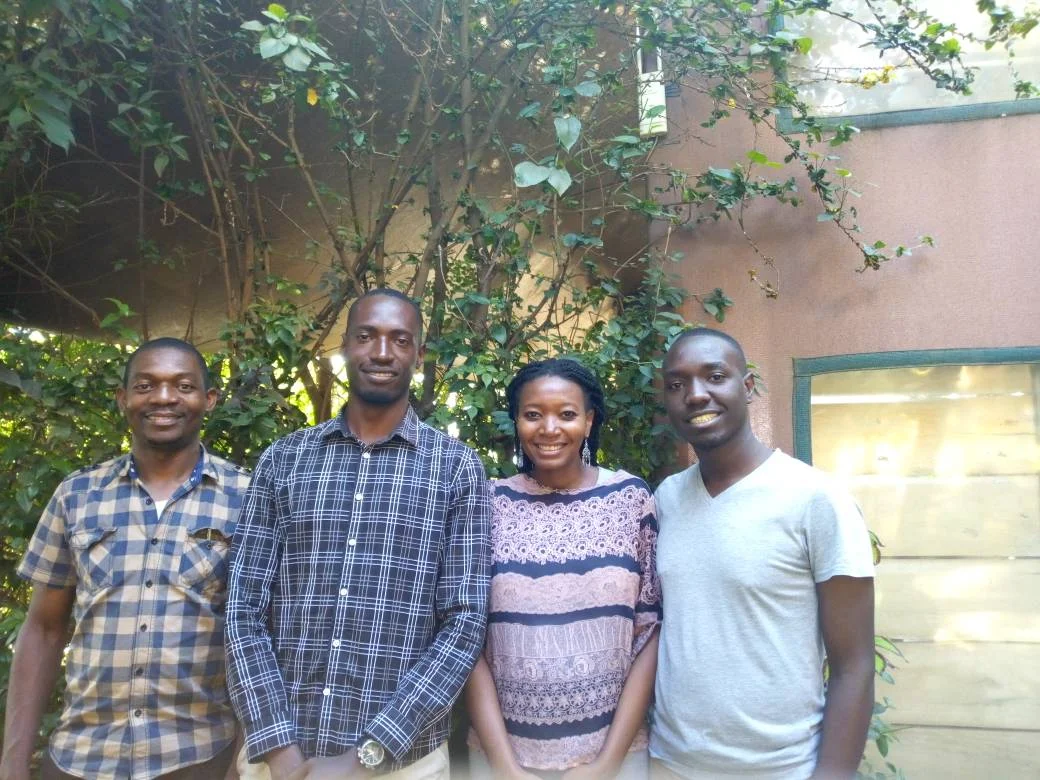
Ronald Tibiita - Executive Director
Richard Kagimu - Project Manager
James Kaggwa - Monitoring and Evaluation Officer
Tracy Kobukindo - Finance Officer
Are you ready to be the next great social entrepreneur?