Haraka Home
Haraka Home is Africa’s “Costco on wheels,” saving East African consumers money by delivering bulk commodities such as LPG and food using a distributed fleet of delivery vehicles preloaded with fast moving consumer goods.
COOK STOVE CHALLENGE; KENYA

PROVEN INTERVENTION TO BE DISTRIBUTED
Liquid Petroleum Gas.
Learn more about the Cook Stove Challenge and how clean cook stoves reduce health and safety risks, lower fuel expenses, and help reduce poverty.
DISTRIBUTION MODEL INNOVATION
Haraka Home, based in Nairobi, Kenya, uses a distributed goods model of delivery that allows low prices and a superior consumer experience while still retaining healthy margins. Instead of receiving an order, loading a vehicle hours or days later with goods, and then traveling to the customer, Haraka’s delivery vehicles leave their warehouse every morning preloaded with products and continuously complete deliveries. This distribution strategy cuts delivery time, distance, and expense significantly.
PILOT AND SCALING GOALS
Complete 1,000 deliveries within first month of operations
Achieve delivery times of 45 minutes or less
Aiming for full net profitability
FOUNDING TEAM
Max Weiner - COO
Vytas Bradunas - CTO
Community Technology Worker Program
To transition families to LPG stoves from firewood and charcoal, the Community Technology Worker (CTW) Program trains local experts in Shirati, Tanzania to teach families how to use the gas stove, check in regularly, and provide any technical or maintenance support to the households.
COOK STOVE CHALLENGE; TANZANIA

PROVEN INTERVENTION TO BE DISTRIBUTED
Cook stoves.
Learn more about the Cook Stove Challenge and how clean cook stoves reduce health and safety risks, lower fuel expenses, and help reduce poverty.
DISTRIBUTION MODEL INNOVATION
To transition families to LPG stoves from firewood and charcoal, the Community Technology Worker (CTW) Program trains local experts in Shirati, Tanzania to teach families how to use the gas stove, check in regularly, and provide any technical or maintenance support to the households.
A Community Technology Worker teaches the family how to use the stove safely, leaves resources and their phone number in case there are issues, and revisits to check in. The Community Technology Worker thus provides a three-fold objective to help transition the family: to help with any technical issues, to remind the family to be saving up for the next cylinder, and to reinforce and encourage the adoption of gas.
The program buys the initial stove, pays the CTW, and empowers the families to refill on their own by changing their saving mechanisms around cooking fuel. The CTW model stands out as it relies on community-based empowerment to reach households. This intervention of CTW is about people in the community supporting their community. Every barrier the community faces, the CTWs address it, listen, and adapt.
PILOT AND SCALING GOALS
Reach 500 during Step-Wedge Cluster Randomized Controlled Trial with 1 LPG stove per family
Hire and onboard 15 Community Technology Workers
Track LPG adoption metrics through a yearlong study
FOUNDING TEAM
Annelise Gill-Wiehl - Co-Founder
Fred Chacha - Co-Founder
Nayome Aguttu- Co-Founder
Mary Frances - Co-Founder
MASIH
MASIH aims to educate Indonesian rural communities on the benefits of shifting away from open wood burning and provide affordable financing options to purchase clean cook stoves that can reduce the impact of wood burning or that utilizes alternative fuel options.
COOK STOVE CHALLENGE; INDONESIA

PROVEN INTERVENTION TO BE DISTRIBUTED
Improved cook stoves.
Learn more about the Cook Stove Challenge and how clean cook stoves reduce health and safety risks, lower fuel expenses, and help reduce poverty.
DISTRIBUTION MODEL INNOVATION
MASIH will distribute clean cook stoves and provide affordable financing options to help rural Indonesian communities shift away from open wood burning. The team offers two payment options: (1) a small upfront fee paired with installment payments corresponding to crop cycle, or (2) subsidized rates for households paying in full.
Additionally, MASIH will hold workshops in the pilot region to increase knowledge of the negative health impacts of open wood burning and demand for alternatives. In areas where alternative cooking fuel options are still scarce, MASIH will find local suppliers to ensure that supply will not be a bottleneck. They will work with local leaders for community monitoring and maintenance of products.
PILOT AND SCALING GOALS
Distribute 500 cook stoves by end of pilot
Distribute 1,200 cook stoves by end of year 1
Distribute 2,500 cook stoves by end of year 2
FOUNDING TEAM
Tika Diagnestya - Co-Founder
Hillary Buntara - Co-Founder
NA Energy Solutions Limited
NA Energy Solutions Limited is a social enterprise in Ghana with the aim of distributing energy saving cook stoves.
COOK STOVE CHALLENGE; GHANA

PROVEN INTERVENTION TO BE DISTRIBUTED
Cook stoves.
Learn more about the Cook Stove Challenge and how clean cook stoves reduce health and safety risks, lower fuel expenses, and help reduce poverty.
DISTRIBUTION MODEL INNOVATION
NA Energy Solutions Limited is a social enterprise in Ghana with the aim of distributing energy saving cook stoves to households. NA Energy will focus on slum communities within Accra and Kumasi for the pilot phase. NA Energy Solutions Limited will operate a dual model for distributing the stoves- the first being the sales team led distribution. The second distribution model will be cook stoves campaigns at the community level. The impacts of the intervention are multidimensional- economic, health and also climate resilience. A repertoire of researches has established that cooking with improved cook stoves reduces household spending on charcoal by 50%. NA Energy Solutions will operate a performance based model, and sales agents will be paid based on the number of stoves they are able to sell. Each agent will be entitled to 20% earnings on the total cost of cook stoves sold.
A key determinant for the adoption of the stoves is the knowledge of its associated benefits. Their team acknowledges the entrenched mind-sets of most consumers who are unaware of the cost savings and the health benefits of cook stoves. They will conduct a “one woman one stove” campaign at two levels: the household level and the community level. At the household level, the agents will be responsible for going to homes to market the stoves. Their activities will be complemented with technologies such as mobile money. At the community level, the team will blend entertainment and health education to enhance consumer adoption. The team will organize a cooking competition, and also use projected screens to provide information on the benefits of using clean cook stoves. Organizing cooking competitions will serve as powerful tool to rally women who are the main targets for the venture’s product and services.
PILOT AND SCALING GOALS
Distribute 520 cook stoves during the pilot phase
Distribute 5,000 stoves by the end of year 1
Sell 25,000 stoves by the end of year 2
Reach 1,000 women during the pilot phase
Reach 10,000 women by the end of year 1
Reach 50,000 women by the end of year 2
FOUNDING TEAM
Ato Kwamina Addo - Founder and Team Lead
Raymond Owusu Achiaw - Founder
Emmanuel Osei-Owusu: - Founder
Mukuru Clean Stoves
Mukuru Clean Stoves will partner with local women groups to educate the community on the impacts of household air pollution and sell cook stoves in the most popular local markets in Kenya.
COOK STOVE CHALLENGE; KENYA

PROVEN INTERVENTION TO BE DISTRIBUTED
Cook stoves.
Learn more about the Cook Stove Challenge and how clean cook stoves reduce health and safety risks, lower fuel expenses, and help reduce poverty.
DISTRIBUTION MODEL INNOVATION
The main barriers limiting the adoption of clean cook stoves in Kibera slums are: Unaffordability; People living at the base of the economic pyramid earn an average of $40 to $100 monthly income and spend a third of their income on fuel. Low income households have to prioritize purchases and are therefore not able to afford modern cook stoves without staggered payment plans. Inaccessibility; Due to poor infrastructure most low income household cannot access clean cook stoves which are mostly sold outside the slum areas. Kibera slum is also notorious for hostility and businesses shy away from setting up shop. Lack of knowledge on the impacts of pollution; Low income households are ignorant of the health, social and environmental hazards of traditional and inefficient cook stoves.
Mukuru Clean Stoves will partner with local women groups to educate the community on the impacts of household air pollution through marketing campaigns run for three months in the most popular local markets in Kibera.
82% of micro enterprises in Kibera slums are women owned. Mukuru Clean Stoves will be working with them as ambassadors and retailers of our clean cook stoves. The small business owners will earn a 10% commission per cook stove sold. To make the products more affordable and increase adoption rates, the team will introduce a convenient, staggered payment plan to be implemented through mobile wallets.
PILOT AND SCALING GOALS
Reach 530 people by the end of the pilot phase
Reach 12,000 people by the end of year 1
Reach 18,000 people by the end of year 2
FOUNDING TEAM
Charlot Magayi - Project Manager
Diannah Omaribah - Operations Manager
Mary Oula - Project Administrator
Angela Oruko - Field Officer
Sharon Adhiambo - Sales Representative
Josephine Kemunto - Field Officer
Bakulu Power
Bakulu Power seeks to distribute improved cook stoves and more affordable clean
fuels on islands on Lake Victoria.
COOK STOVE CHALLENGE; UGANDA



PROVEN INTERVENTION TO BE DISTRIBUTED
Efficient cook stoves.
Learn more about the Cook Stove Challenge and how clean cook stoves reduce health and safety risks, lower fuel expenses, and help reduce poverty.
DISTRIBUTION MODEL INNOVATION
The islands of Lubya, Namiti, and Kirewe in the Buvuma district of Lake Victoria are home to 8,300 people. Many of these families use charcoal for cooking, with only a few still using firewood. The islands, which were once naturally forested, now have no trees; all cooking fuel is transported in from the mainland by boat. Prices are increasing due to shortages of fuel on the mainland.
The pilot distribution of efficient cook stoves will take place on these three islands before the business is scaled to include 16 other islands which lie within a 50km radius. Two types of stoves will be distributed: the mini moto stove, a forced air gasifier stove targeted to businesses, and the Awamu Top Lit Updraft (TLUD) gasifier stove, targeted to households. The customer will have several payment options. One option being to pay a 50% down payment for the stove as well as sign an agreement to buy a minimum of 35kg of bio pellets produced by Bakulu Power per month. The balance of the stove cost would be paid over a period of four months from the fuel savings achieved from using the stove.
Bakulu Power will also set up a small biomass pellet plant which will create pellets as fuel for the cook stoves out of maize stovers and sugar cane bagasse from sugar processing factories. Pellets will be sold to vendors who will then sell them at the retail price. Part of the profit margin from the biomass pellets will be reinvested to procure more stoves.
PILOT AND SCALING GOALS
- Purchase of pellet mill, purchase and delivery of stoves, purchase of land before the pilot
- Sign MOUs with women's groups for 3 vendors on each island during pilot phase
- Sell 180 tons of pellets in 6 months
- Sell 1,348 stoves by the end of 6 months
- Sell 20,000 stoves by the end of year 2
FOUNDING TEAM
Lucia Bakulumpagi-Wamala - Chief Executive Officer and Co-founder
Richard Sseruwagi - Chief Technical Officer and Co-founder
Moses Angeny - Technical Officer and Co-founder
Unnoti
Unnoti was founded by Md Intisher Rahman, Maheen Absar Neha, Shah Md Nasir Rahat and Tanjima Hoque. This new social venture will promote cost saving and modern environment friendly cook stoves to replace the traditional cook stoves...
COOK STOVE CHALLENGE; BANGLADESH

PROVEN INTERVENTION TO BE DISTRIBUTED
Efficient, clean-burning cook stoves.
Learn more about the Cook Stove Challenge and how clean cook stoves reduce health and safety risks, lower fuel expenses, and help reduce poverty.
DISTRIBUTION MODEL INNOVATION
In rural and slum areas, families in Bangladesh confront large amounts of indoor air pollution caused by choice of cooking fuel, cooking location, construction material, and poor ventilation. Exposure to such indoor air pollution leads to harmful diseases like tuberculosis, asthma, and other respiratory diseases and disproportionately affect women and children. In Bangladesh, more than 90% of the total population uses biomass fuel for cooking and other heating purposes. The health burden of indoor air pollution exposure in the country is one of the largest in the world.
Unnoti will work with a local manufacturer of efficient cook stoves and sell these within the rural district of Comilla at an affordable price (about half the price of similar cook stoves on the market). The team will conduct surveys and awareness raising activities within the community.
PILOT AND SCALING GOALS
- Reach 300 households in 5 villages during the pilot
- Distribute 250 stoves during the pilot
- Benefit 500 people during the pilot
- Reach 35 households across 12 villages by the end of year 1
- Distribute 1,000 cook stoves by the end of year 1
- Benefit 3,000 people by the end of year 2
FOUNDING TEAM
Tanjima Hoque - Managing Director
Shah Md. Nasir Rahat - Marketing Director
Md. Intisher Rahman - Human Resources Director
Maheen Absar Neha - Exeutive Director
Harness Energy
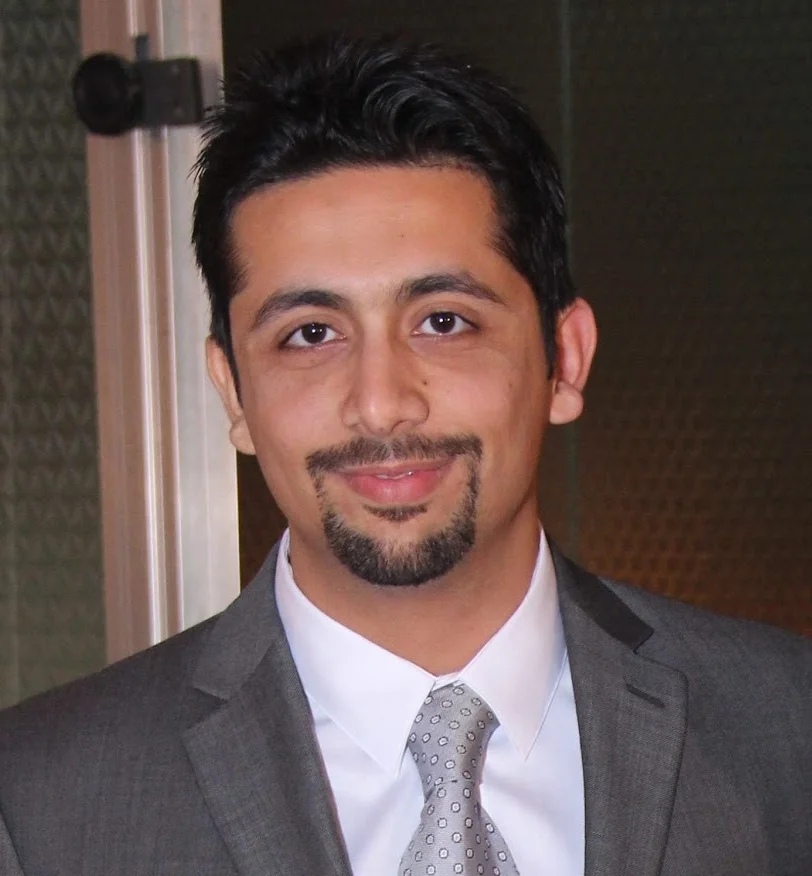
Shehryar is the Founder and Managing Director of Harness Energy, a social enterprise dedicated to providing clean and affordable solutions to
COOK STOVE CHALLENGE; PAKISTAN
PROVEN INTERVENTION TO BE DISTRIBUTED
Cook Stoves.
Learn more about the Cook Stove Challenge and how clean cook stoves reduce health and safety risks, lower fuel expenses, and help reduce poverty.
DISTRIBUTION MODEL INNOVATION
Harness Energy is a social enterprise dedicated to providing clean and affordable solutions to Pakistan’s energy-starved population. Harness are an Associate of IFC’s Lighting Pakistan program, and their role in eradicating poverty lies in innovative distribution models that take clean energy products to the last mile. They are conducting a pilot to distribute 500 clean cook stoves in rural Punjab, and aim to scale up to 25000 in 2 years. These stoves significantly reduce indoor air pollution and pay back their investment within 6 months, leading to major improvements in their living standards.
PILOT AND SCALING GOALS
500 cook stoves distributed during the pilot phase
25,000 distributed by the end of year 2
FOUNDING TEAM
Shehryar - Founder and Managing Director
Livelyhoods / iSmart
Maria co-founded Livelyhoods in 2011, and will launch the iSmart network to distribute clean-burning cook stoves as replacements for dangerous
COOK STOVE CHALLENGE; KENYA

PROVEN INTERVENTION TO BE DISTRIBUTED
Efficient cook stoves.
Learn more about the Cook Stove Challenge and how clean cook stoves reduce health and safety risks, lower fuel expenses, and help reduce poverty.
DISTRIBUTION MODEL INNOVATION
LivelyHoods operates a distribution network for clean-burning cook stoves. Their branded retail network consists of customer service centers and uniformed sales representatives, reaching the most hard-to-reach households in urban slum and peri-urban communities.
The mission is to create livelihoods opportunities for youth in urban slums so they can work their way out of poverty and actualize their potential. LivelyHoods employs youth from slums to sell life-changing products in their communities. The model includes a strong retail brand, increasing professional sales talent of youth form slums, and financing inventory through a third party partner, Kiva.
The curated product line is sold through a retail network which consists of customer service centers and uniformed sales representatives. While the best selling products are clean-burning cook stoves, they also offer a wide range of other high-impact products, ranging from water filters to solar lamps to reusable sanitary pads.
PILOT AND SCALING GOALS
- Sell 5,156 clean burning cook stoves in 2014
- Train 500 youth and create 100 jobs in 2014
- Sell 89,959 cook stoves in 2015 and 2016
- Train 6,250 youth and create 1250 jobs, impacting the lives of 449,795 people in 2015 and 2016
FOUNDING TEAM
Tania Laden - Co-Founder, Executive Director
LiTe Africa
Alyse and Hashim are distributing energy efficient technologies to improve the health, income, and education of Africa’s low-income households. LiTeAfrica
COOK STOVE CHALLENGE; UGANDA

PROVEN INTERVENTION TO BE DISTRIBUTED
Energy efficient cook stoves.
Learn more about the Cook Stove Challenge and how clean cook stoves reduce health and safety risks, lower fuel expenses, and help reduce poverty.
DISTRIBUTION MODEL INNOVATION
LiTe Africa overcomes obstacles preventing wide distribution of energy efficient products by putting solar lanterns and energy efficient cook stoves in the hands of rural end users by utilizing the existing small retail and mobile money shop network not commonly used for these products. Rural, family-run shops draw low income consumers with basic essentials and mobile airtime. Customers visit these shops every day, creating a trust-based relationship with the retailer. Rural retailers currently do not know about, have access to, or know how to provide adequate service for energy efficient technologies.
In Uganda there are currently over 40,000 mobile money shops. Tapping into both the mobile and retail shop networks will help LiTe Africa reash the broadest consumer audience. LiTe Africa will sell cook stoves at a low cost and utilize Angaza's pay-as-you-go service for solar lamps. Payment in small increments has been proven to be not only popular and affordable among low-income households but drives up sales significantly. LiTe Africa will purchase products at wholesale through Ugastove, Angaza, and Greenlight Planet's distribution partners in Uganda, Small Solutions. The sales team will demonstrate products to retail and mobile money shop owners, training them on marketing techniques. The products are sold to shop owners at a price slightly above wholesale. Retailers will also be trained on pay-as-you-go operations and will explain the method to consumers and help them conduct monthly installments.
PILOT AND SCALING GOALS
Partner with 36 retailers during the pilot phase
Sell 380 solar lamps and 500 cook stoves during the pilot phase
Partner with up to 170 retailers by the end of year 1
Expand to 10 more surrounding villages and semi-urban locations by the end of year 2
Sell 20,000 cook stoves and 17,000 solar lamps by the end of year 2
FOUNDING TEAM
Alyse Daunis - Co-Founder
Hashim Mutanje - Co-Founder
Novotera
Novotera is helping low-income families in Vietnam gain access to clean cookstoves by building a distribution network around the popular Rua cookstove. The Rua is designed to work with
COOK STOVE CHALLENGE; VIETNAM

PROVEN INTERVENTION TO BE DISTRIBUTED
Rua clean cook stoves.
Learn more about the Cook Stove Challenge and how clean cook stoves reduce health and safety risks, lower fuel expenses, and help reduce poverty.
DISTRIBUTION MODEL INNOVATION
The popular Rua Cook Stove will be promoted through the Novotera sales force and distribution network. To maximize distribution and to meet different budgets, customers will have the option of different stove grades (high grade stove, low grade stove, refurbishment of existing stove) and different payment plans at fair market prices. Novotera will utilize the Global Alliance for Clean Cookstove's verified selling startegy: use the stove for a few weeks and then return it or purchase it if satisfied. Customers will also have the option to purchase a stove on credit.
Distribution will rely on door-to-door sale-by-motorcycle which as previously proven effective as a sales system in Northern Vietnam. Group sales will take place in markets and in stores. Network partners will reach out to informal dealers in villages and stores. The Rua Stove will be promoted through visually rich flyers and stove demonstrations in outdoor markets where salted popcorn (unfamiliar in Vietnam) will be handed out to attract attention. A salesforce will be trained to speak about every aspect of the stove including its ability to produce biochar, to operate on rice husk, and to replace a rice cooker. An emphasis will be put on an after-sale service were customers can call in or have a broken stove repaired. A monitoring system using three key metrics will be put in place to better evaluate progress and projections.
PILOT AND SCALING GOALS
- Reach 250 households during the pilot phase
- Sell 920 stoves per month by the end of year 1
- Have 25,000 low-income households using the Rua Stove by the end of year 2
- Employ 15 sales people with their own motorcycles by the end of year 2
FOUNDING TEAM
Dylan Maxwell - Co-Founder
Olivier Kolmel - Co-Founder
Dazin
Dazin was founded by Deepak Ashwani. Dazin provides most affordable and environmental friendly cooking energy solution to the households of Bhutan. Dazin manufacture the fuel
COOKSTOVE CHALLENGE; BHUTAN

PROVEN INTERVENTION TO BE DISTRIBUTED
Efficient cook stoves and fuel cookies.
Learn more about the Cook Stove Challenge and how clean cook stoves reduce health and safety risks, lower fuel expenses, and help reduce poverty.
DISTRIBUTION MODEL INNOVATION
Dazin manufactures and distributes Fuel Cookies made from manually collected forestry wood waste such as tree branches, locally known as 'lops and tops'. Abundant available raw material is collected based on the requirements of each household and delivered at our extended network of collection points. Dazin fuel cookies will reduce the forestry wood required for cooking by 84%, reduce time spent collecting fuel by half, cost less than what customers use currently, allow for a healthy gross profit margin from fuel sales to allow the organization to expand.
The fuel and cook stove combination system is affordable, even for the poorest families, through the cross subsidized revenue model. Dazin provides free fuel cookies and free smokeless gasifying stoves in exchange for the rural households supplying free forestry wood waste. Due to the efficiency of the combined fuel and stove system, an excess of fuel cookies is produced compared to the wood waste provided. The surplus fuel cookies are sold in nearby cities to offset free services in rural areas and expand to new areas. For example, a woman living in a rural area collects 40-50% lesser forestry waste and provides to Dazin at the nearest collection point. She gets in return enough free fuel cookies to meet her cooking requirements. She also gets a smokeless gasifying stove on lease to use the fuel cookies. Remaining fuel cookies made from her wood waste contribution provides enough fuel for three equivalent urban households. These are sold at urban markets as a cost-effective and reliable fuel supply to offset her free services. Stoves are leased with a nominal yearly maintenance fee of $15-30 depending on the stoves. These inventories also supply directly to commercial customers such as restaurants and schools.
PILOT AND SCALING GOALS
- Set-up fuel production infrastructure over the pilot phase
Reach 4,000 households by 2016
Reach 28,000 households by 2017
FOUNDING TEAM
Deepak Ashwani - Co-Founder
Are you ready to be the next great social entrepreneur?